




New York City Approves Ford Transit Connect Taxi and Taurus for Taxi Use
NEW YORK CITY – Ford announced in a news release that the New York Taxi and Limousine Commission (TLC) approved its Transit Connect Taxi, and Taurus, for use in the city.
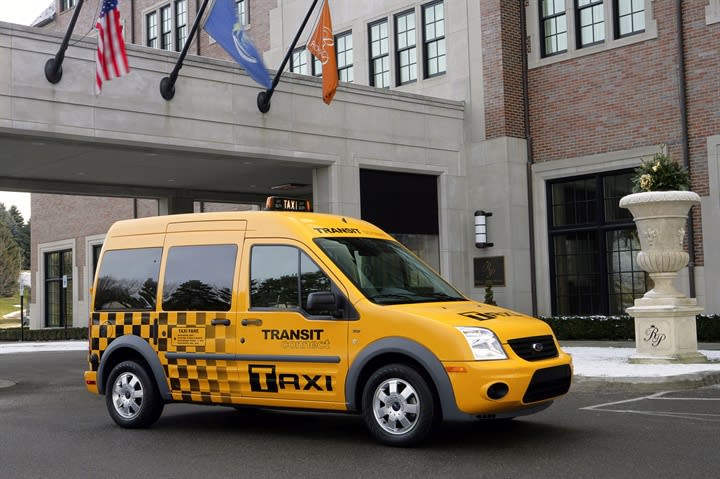
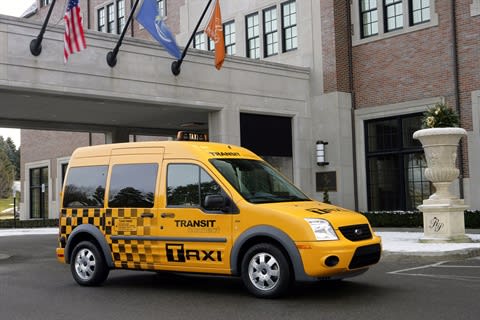
NEW YORK CITY – Ford announced in a news release that the New York Taxi and Limousine Commission (TLC) approved the Transit Connect Taxi for use in the city. The automaker said this approval means the Ford Transit Connect Taxi meets the TLC’s specifications. Ford said the TLC also approved the Taurus for taxi use. The TLC regulates and licenses all taxis in New York City.
Although New York City named the Nissan NV200 van as the “official” taxi starting in 2013, taxi companies will be able to purchase Ford Transit Connect Taxi models, and Ford Taurus models, in the interim.
Ford said New York joins Boston, Chicago and Philadelphia on the list of major cities where officials have approved Transit Connect Taxi for use. Ford stated that it delivered its first Transit Connect Taxi to a taxicab company in Boston. Since then, the automaker said more than 100 have been sold to companies in Los Angeles, Chicago, Las Vegas, St. Louis and Orlando, Fla., among others.
“We applaud TLC Commissioner David Yassky and the New York City Taxi and Limousine Commission for approving the only next-generation purpose-built taxicab currently available on the market, the highly reviewed and eagerly anticipated Ford Transit Connect Taxi,” said Ron Sherman, president, Metropolitan Taxicab Board of Trade.
In related news, the California Air Resources Board approved the CNG-fueled version of the Transit Connect Taxi in June. Ford said it offers engine prep packages that allow for conversion to CNG and LPG (liquefied propane gas).
Some of the Transit Connect Taxi’s specs include fuel economy of 23 mpg, certification to meet Ford Light Commercial Vehicle Durability Standards, and a 39-ft. turning diameter. Dimensions include 6.5 inches of ground clearance, a rear door opening 50.2 inches wide, and a height of 52.1 inches.
More Operations

A buyer's guide to fleet management software in 2027
Buying fleet management software in 2027 means looking beyond features and price. As fleet operations, technology and expectations evolve, this guide explores what today’s fleet professionals should consider when choosing a system that can deliver value now and adapt to what comes next.
Read More →
What Will Shape the Next Era of Fleet Management?
EVs, AI, and autonomous vehicles are reshaping fleet management. Discover what’s ahead—and how fleet leaders can prepare for the next era.
Read More →
How Fleets Can Recruit and Train Veterans for Technician Roles
Here's how the technician shortage has affected uptime for fleets, and what to do about it.
Read More →

Avis Budget Group Deploys Neology Toll Management Technology Across Major Brands
Neology’s neoFleet platform will manage toll transactions and toll-authority operations for vehicles across Avis, Budget, Payless, Budget Truck and Zipcar.
Read More →
Fleet Personal-Use Charges Edge Higher in 2026
Nearly eight in 10 surveyed fleets allow personal use of company vehicles, while just over half of respondents report charging employees for the privilege.
Read More →
The Future of Fleet + What’s Changing Right Now | AF News Recap
Could developments overseas offer a preview of what’s coming for U.S. fleets? This week, we’re looking at the future of AI, autonomy, and electrification, plus Ford Pro’s new certified pre-owned program, smarter vehicle offboarding, and a new way for fleets to manage toll expenses.
Read More →
How to Handle Vehicle Offboarding
What do fleet managers need to do when a driver leaves?
Read More →
Fleet Manager’s Ultimate Playbook: Navigating the New Standard in OEM Connectivity
Rising operating costs, driver safety concerns, and unplanned downtime are putting unprecedented pressure on modern fleets. Discover how fleet managers use embedded OEM connectivity and real-time vehicle data to cut TCO, prevent downtime, and protect drivers without aftermarket telematics hardware.
Read More →
U.S. Bank Adds Verra Mobility Toll Management to Voyager Fleet Platform
The integration allows U.S. Bank Voyager fleet customers to manage toll payments and violations alongside fuel, EV charging and maintenance expenses.
Read More →
ADAS Prevents Crashes. But Repairs Cost More | AF News Recap
ADAS-equipped vehicles may crash less often, but they can cost more when they do. This week, we’re breaking down what that tradeoff means for fleets, plus Subaru’s first Forester Wilderness Hybrid, Nissan’s new e-POWER Rogue, and why Calstart has become Catalyst Mobility.
Read More →