




Nissan NV200 Selected for NYC Taxi Fleet
NEW YORK CITY – The New York City Taxi and Limousine Commission (TLC) has selected the Nissan NV200 as the exclusive taxi of New York City beginning in late 2013.
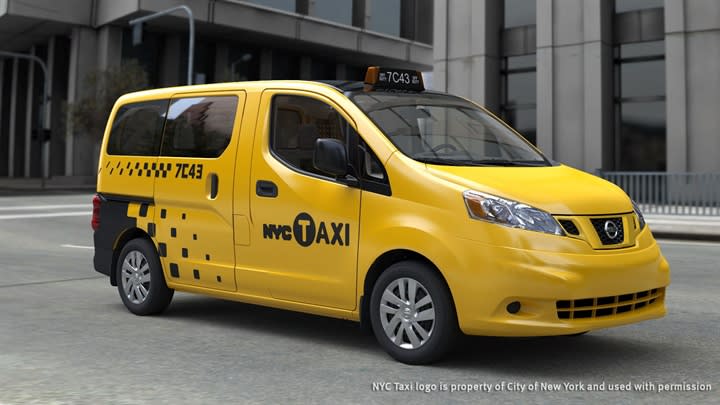
The Nissan NV200 will be the exclusive taxicab for New York City from 2013 to 2023.
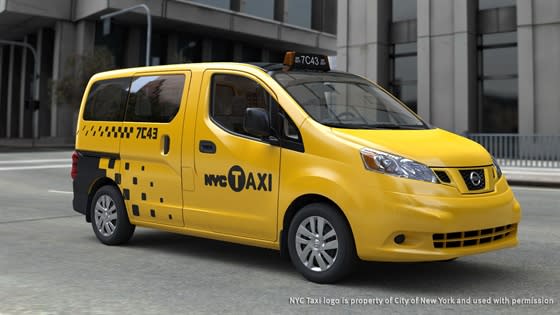
The Nissan NV200 will be the exclusive taxicab for New York City from 2013 to 2023.
NEW YORK CITY – The New York City Taxi and Limousine Commission (TLC) has selected the Nissan NV200 as the exclusive taxi of New York City beginning in late 2013. City Commissioner David Yassky made the announcement at a press conference at City Hall.
The City now will enter into final negotiations with Nissan to make the NV200 the first taxicab specially built for use in New York City and the City’s exclusive taxicab for a decade.
“The City’s Taxi of Tomorrow is the Nissan NV 200 – and it’s going to be the safest, most comfortable and most convenient cab the City has ever had,” said Mayor Bloomberg. “We started this process to leverage our taxi industry’s purchasing power to get the highest quality taxi, one that that can expand and redefine the legendary image of New York City taxicabs. The new taxis will be custom-designed to meet the specific demands of carrying 600,000 passengers a day in New York City traffic and the vehicle meets the top priorities identified by the public in our on-line survey.”
The finalists in the two-year taxi selection process included Ford Motor Co. and Karsan, a Turkish vehicle manufacturer. As part of the selection process, the City surveyed nearly 23,000 people about the characteristics they were looking for in a taxi.
In New York City, 13,000 taxis travel a cumulative 500 million miles per year and serve more than 600,000 passengers per day. Nissan said it will train taxi fleet operators to conduct routine in-house service and repairs, and Nissan Commercial Vehicle dealers will provide service by providing the first available service bay to taxi operators needing service.
“Never before in the 100-plus year history of the taxi industry has its combined strength been used to drive the design and creation of a purpose-built vehicle, tuned to the streets it will be driving on.” said Taxi Commissioner Yassky. “For the first time, we’ll have a taxicab that wasn’t ‘off the rack’, but rather custom-tailored to create the best fit for the drivers, owners and passengers of our city. This is the heir apparent to the Checker, and people are going to fall in love with this taxi once they ride in it. It is going to represent New York City well.”
The Nissan NV200 taxi will be produced in North America at Nissan’s facility in Cuernavaca, Mexico, according to the automaker. The Nissan NV200 taxi will be a modified version of the compact commercial vehicle currently available in global markets including Japan, Europe, and China. Total manufacturer suggested retail price (MSRP) of the vehicle, with all planned standard features, will be around $29,000.
As part of the program, Nissan also will work with the City and taxi owners on a pilot program to study the use of zero-emission, electric vehicles as taxis. Nissan will provide up to six 100-percent electric Nissan Leaf vehicles to taxi owners for testing in 2012 as well as the charging stations to support their use.
The City and Nissan will work together on the final design for the vehicle. According to Nissan, planned innovations, which respond to direct input from drivers, owners and passengers, include the following:
2.0L 4-cylinder powertrain, engineered to enhance the emission performance and fuel efficiency of the taxi fleet;
Ample room for four passengers and their luggage, substantially improved over current taxi models;
A low-annoyance horn with exterior lights that indicate when the vehicle is honking, helping reduce noise pollution;
Sliding doors with entry step and grab handles, providing easy entry and exit;
Transparent roof panel (with shade) that will provide unique views of the city;
Independently controlled rear air conditioning with a grape phenol-coated air filter to improve cabin air quality;
Breathable, antimicrobial, environmentally friendly and easy-to-clean seat fabric that simulates the look and feel of leather;
Overhead reading lights for passengers and floor lighting to help locate belongings;
A mobile charging station for passengers that includes a 12V electrical outlet and two USB plugs;
A six-way adjustable driver’s seat that features both recline and lumbar adjustments, even with a partition installed;
Standard driver’s navigation and telematics systems.
Nissan stated it focused on passenger safety when designing the NV200 taxi. Key safety features include:
Front and rear-seat occupant curtain airbags, as well as seat-mounted airbags for the front row;
Standard traction control and Vehicle Dynamic Control (VDC);
Sliding doors to reduce the risk of pedestrians, cyclists and other motorists getting struck by doors opening unexpectedly;
Lights that alert other road users that taxi doors are opening.
“Nissan is proud to provide the next generation of taxis for the City of New York,” said Carlos Tavares, Chairman, Nissan Americas. “The NV200 taxi will give Nissan the opportunity to showcase our dedication to vehicle quality and urban mobility to more than 600,000 passengers a day.”
You can download the Nissan NV200 Spec Sheet here:
More Operations

How Fleets Can Recruit and Train Veterans for Technician Roles
Here's how the technician shortage has affected uptime for fleets, and what to do about it.
Read More →
Avis Budget Group Deploys Neology Toll Management Technology Across Major Brands
Neology’s neoFleet platform will manage toll transactions and toll-authority operations for vehicles across Avis, Budget, Payless, Budget Truck and Zipcar.
Read More →
Fleet Personal-Use Charges Edge Higher in 2026
Nearly eight in 10 surveyed fleets allow personal use of company vehicles, while just over half of respondents report charging employees for the privilege.
Read More →
The Future of Fleet + What’s Changing Right Now | AF News Recap
Could developments overseas offer a preview of what’s coming for U.S. fleets? This week, we’re looking at the future of AI, autonomy, and electrification, plus Ford Pro’s new certified pre-owned program, smarter vehicle offboarding, and a new way for fleets to manage toll expenses.
Read More →
How to Handle Vehicle Offboarding
What do fleet managers need to do when a driver leaves?
Read More →
Fleet Manager’s Ultimate Playbook: Navigating the New Standard in OEM Connectivity
Rising operating costs, driver safety concerns, and unplanned downtime are putting unprecedented pressure on modern fleets. Discover how fleet managers use embedded OEM connectivity and real-time vehicle data to cut TCO, prevent downtime, and protect drivers without aftermarket telematics hardware.
Read More →
U.S. Bank Adds Verra Mobility Toll Management to Voyager Fleet Platform
The integration allows U.S. Bank Voyager fleet customers to manage toll payments and violations alongside fuel, EV charging and maintenance expenses.
Read More →
ADAS Prevents Crashes. But Repairs Cost More | AF News Recap
ADAS-equipped vehicles may crash less often, but they can cost more when they do. This week, we’re breaking down what that tradeoff means for fleets, plus Subaru’s first Forester Wilderness Hybrid, Nissan’s new e-POWER Rogue, and why Calstart has become Catalyst Mobility.
Read More →
Moventum Fleet Management Names Mark Iorillo Head of Sales
Iorillo brings nearly 20 years of fleet management and sales experience to the role, including previous positions at Element Fleet Management, CEI, Donlen and Ryder.
Read More →
Fleet Has a Talent Pipeline Problem. What Comes Next? | AF News Recap
Where will fleet’s next generation of leaders come from? This week, we’re looking at the industry’s talent pipeline, what certification can add to a fleet career, how to build an award-worthy track record, and the return of Automotive Fleet’s Personal Use Survey.
Read More →