





More News on Topic: Supply Chain Constrains Vehicle Sales Forecast
New Vehicle Prices Break Record as Supply Rises
The average price for a new electric vehicle – over $66,000, according to Kelley Blue Book estimates – remains well above the industry average and more aligned with luxury prices versus mainstream prices.
August 10, 2022
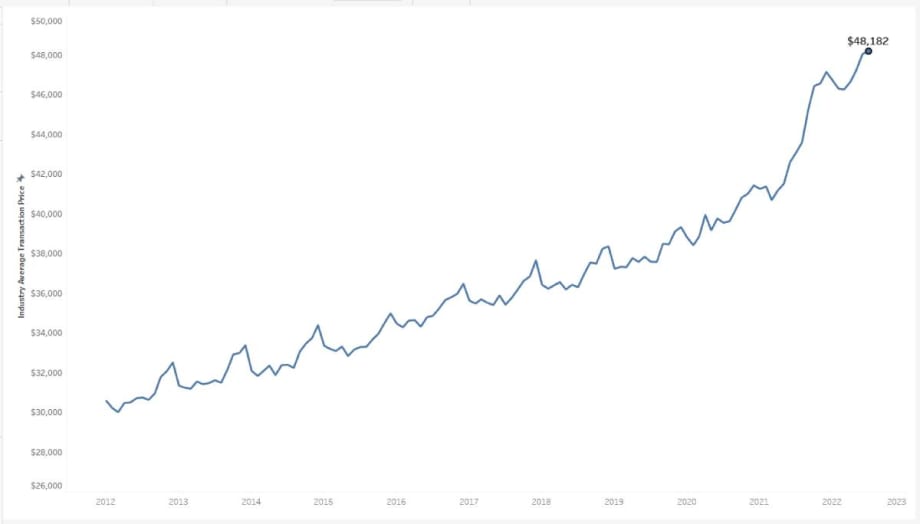
The Kelley Blue Book new-vehicle ATP increased to $48,182 in July 2022, beating the previous high of $48,043 set last month. July prices rose 0.3% ($139) from June and 11.9% ($5,126) from July 2021.
Source: KBB / Cox Automotive
3 min to read
The average price paid for a new vehicle in the U.S. in July topped June’s record and kept the average transaction price (ATP) solidly above the $48,000 mark, according to new data released Aug. 10 by Kelley Blue Book.
The Kelley Blue Book new-vehicle ATP increased to $48,182 in July 2022, beating the previous high of $48,043 set last month. July prices rose 0.3% ($139) from June and 11.9% ($5,126) from July 2021.
New-vehicle inventory days’ supply held steady in the mid-30s in July, where it has been consistently since the final months of 2021. Surprisingly, days’ supply at the end of July was 27% higher than in 2021 when inventory shortages first started to affect the market, demand was even higher, and days’ supply dropped into the 20s. Still, with about 1.1 million units in inventory in the U.S., new-vehicle inventory remains far below levels seen in 2020 and 2019.
With tight inventory and sufficient demand, transaction prices remain elevated. Most dealers continue to sell vehicles above the manufacturer’s suggested retail price (MSRP). Honda, Kia, Land Rover, and Hyundai show the most price strength in the market, transacting between 5% to 8% over sticker last month. Ram, Volvo, Lincoln, Buick, and the smaller Italian brands, Alfa Romeo and Fiat, showed the least price strength last month, selling 1% or more below MSRP.
“It’s still a sellers’ market,” said Rebecca Rydzewski, research manager of economic and industry insights for Cox Automotive, in a news release. “New-vehicle inventory levels are better than a year ago, but remain historically low, and that’s keeping new-vehicle prices elevated. Still, although average prices are at a record, there are affordable vehicles out there. Compact cars and SUVs and subcompact models typically transact for 30% to 40% below the industry average.”
The average price paid for a new non-luxury vehicle last month was $44,431, up $363 from June 2022, and a new record for non-luxury vehicles, beating out the high set the prior month. Car shoppers in the non-luxury segment paid on average $875 above sticker price, a decrease from the prior month. Still, shoppers are paying more than they did compared to a year ago in July 2021 when they paid 0.8% below MSRP.
In July, the average luxury buyer paid $65,530 for a new vehicle, down $382 from last month, when luxury ATPs hit a record $65,912. Luxury buyers continue to pay more than MSRP for new vehicles, although prices are trending closer to sticker prices. For comparison, luxury vehicles were selling for $386 under MSRP one year ago. Luxury vehicle share remains historically high, pushing the overall industry ATP higher, but decreased to 17.8% of total sales in July from 18.2% in June.
The average price paid for a new electric vehicle (EV) dropped in July by 2.3% compared to June but increased by 18.8% versus a year ago. The average price for a new electric vehicle – over $66,000, according to Kelley Blue Book estimates – remains well above the industry average and more aligned with luxury prices versus mainstream prices.
Incentives increased slightly in July versus June, but remain low, at only 2.4% of the average transaction price. A year ago, incentives averaged 5.9% of ATP. Full-size cars and luxury cars had the highest incentives in July, while high-performance cars, full-size luxury SUVs, and electric vehicles had the lowest.
Originally posted on Vehicle Remarketing
More Remarketing

FLD Promotes Three Executives in Leadership Changes
FLD has promoted three longtime executives, naming Gary Mott CEO, Richard Mallek president, and Ron Sanders managing partner.
Read More →
Ford Pro Launches Certified Pre-Owned Program for Commercial Vehicles
Ford Pro Advantage will offer certified pre-owned Class 1-7 commercial vehicles through more than 700 Ford Pro Commercial Vehicle Centers.
Read More →
Copart to Acquire ACV in $1.9 Billion Deal
The acquisition would expand Copart beyond its traditional salvage business into dealer-to-dealer wholesale remarketing while adding ACV’s vehicle data, inspection, and valuation technology.
Read More →
Manheim Index Shows Used-Vehicle Wholesale Prices Up 2.1% in June
The market is seeing stronger appreciation in older used vehicles this year, and the most affordable segments have been among the year’s best performers.
Read More →
Commercial Fleet Sales Contribute To June, YTD Gains
The fleet sector has boosted its vehicle purchases at a reliable pace in the first half of this year compared with 1H 2025.
Read More →
Used Vehicle Prices Climb Higher As Sales Pace Slows
The higher prices at used retail reflect strong wholesale values earlier in the spring, particularly for older, more affordable vehicles.
Read More →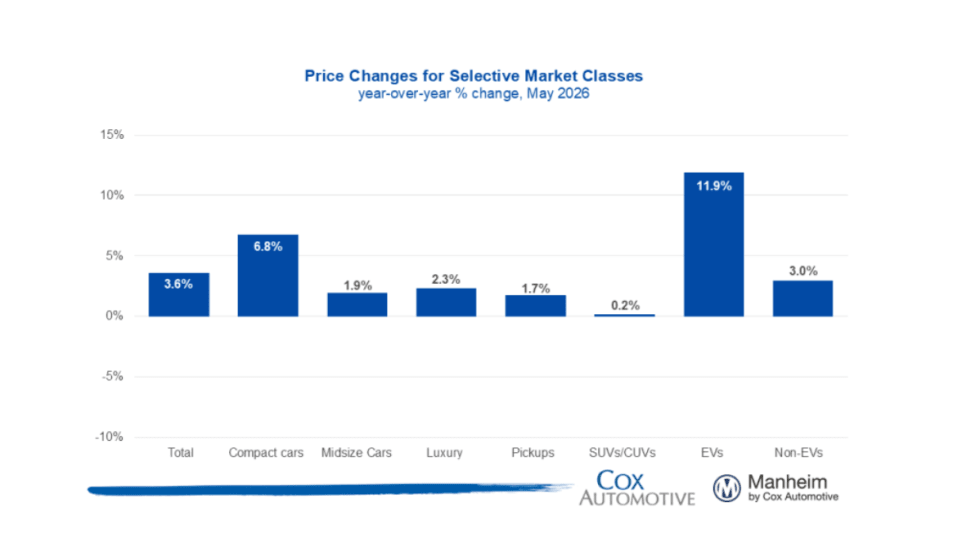
Wholesale Used Vehicle Market Sustains Moderate Rise In Values, Prices
Trends continue to normalize after a strong start to the year, as consumers contend with higher gas prices in the coming summer months.
Read More →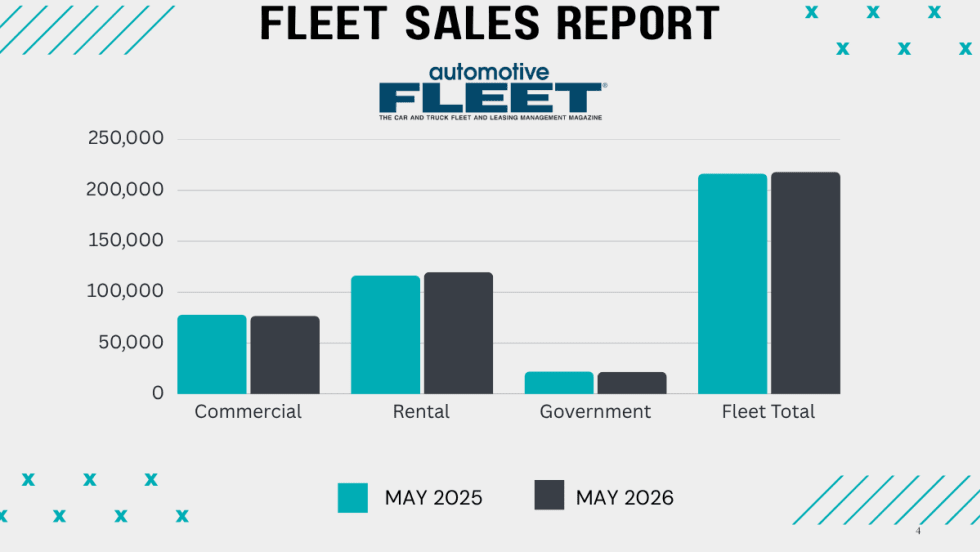
Commercial Fleet Sales Still Lead Sectors Despite May Mini Dip
The U.S. economy's continued growth and positive business investment are creating a favorable environment for fleet vehicle demand.
Read More →
How Connected Vehicle Data Is Lifting Fleet Resale Values
A vehicle health score could improve the value of fleet vehicles at remarketing. The path to a universal standard is forming, and fleets that understand the process early will be better positioned when it arrives.
Read More →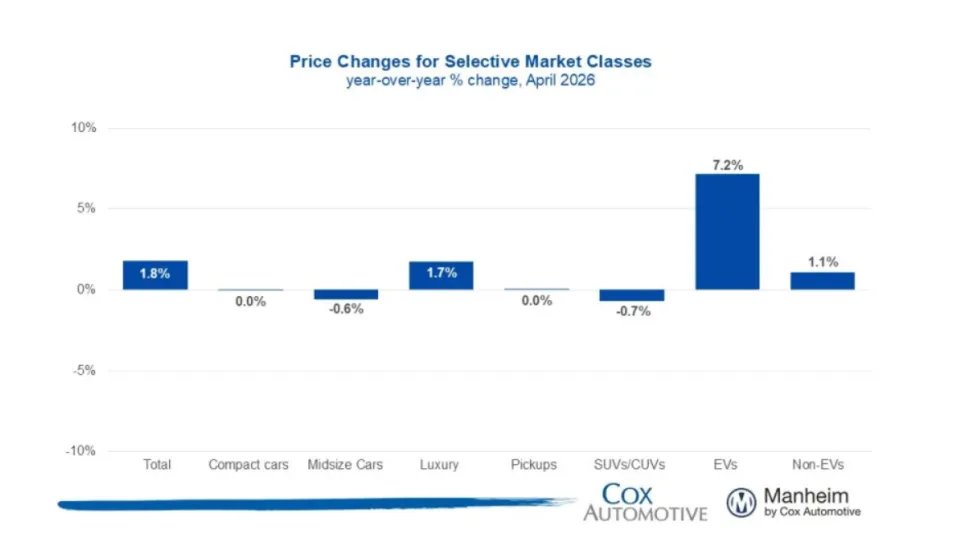
Wholesale Used Vehicle Prices Slightly Up In April
The Iranian conflict and rising gas prices inject much uncertainty into the future wholesale used vehicle markets, as higher gas prices soak up spendable income from vehicle buyers.
Read More →