




New Trends Report: Fuel Economy Increases as CO2 Decreases
According to a report conducted by the EPA, for the fifth consecutive year, carbon dioxide emissions for new cars and light-duty trucks have decreased.
For the fifth consecutive year, EPA is reporting an increase in fuel efficiency with a corresponding decrease in average carbon dioxide (CO2) emissions for new cars and light duty trucks. This marks the first time that data for CO2 emissions are included in the annual report, "Light-Duty Automotive Technology, Carbon Dioxide Emissions, and Fuel Economy Trends: 1975 through 2009."
"American drivers are increasingly looking for cars that burn cleaner, burn less gas and won't burn a hole in their wallets," said EPA Administrator Lisa P. Jackson. "We're working to help accelerate this trend with strong investments in clean energy technology-particularly for the cars and trucks that account for almost 60 percent of greenhouse gases from transportation sources. Cleaner, more efficient vehicles can help reduce our dangerous dependence on foreign oil, cut harmful pollution, and save people money - and it's clear that's what the American car buyer wants."
For 2008, the last year for which EPA has final data from automakers, the average fuel economy value was 21 miles per gallon (mpg). EPA projects a small improvement in 2009, based on pre-model year sales estimates provided to EPA by automakers, to 21.1 mpg.
The report confirms that average CO2 emissions have decreased and fuel economy has increased each year beginning in 2005. Average CO2 emissions have decreased by 39 grams per mile, or 8 percent, and average fuel economy has increased by 1.8 mpg, or 9 percent, since 2004. This positive trend beginning in 2005 reverses a long period of increasing CO2 emissions and decreasing fuel economy from 1987 through 2004, and returns CO2 emissions and fuel economy to levels of the early 1980s.
The report also provides data on the CO2 emissions, fuel economy and technology characteristics of new light-duty vehicles including cars, minivans, sport utility vehicles, and pickup trucks.
The latest CO2 emissions and fuel economy values reflect EPA's best estimates of real world CO2 emissions and fuel economy performance. They are consistent with the fuel economy estimates that EPA provides on new vehicle window stickers and in the Fuel Economy Guide. These real world fuel economy values are about 20 percent lower, on average, than those used for compliance with the corporate average fuel economy program under DOT.
More Green Fleet

EV Charging Use Is Outpacing Infrastructure Growth
ChargePoint’s 2026 Charging Forward Report points to rising charger use, higher-powered charging, commercial vehicle electrification, and energy-management technology. Here’s what fleets should know.
Read More →
Merchants Fleet Reports 290M EV Miles as Fleets Navigate Changing Electrification Market
From millions in operating savings to hundreds of millions of EV miles, Merchants Fleet’s latest report reveals what’s working and what’s changing in fleet electrification.
Read More →
The EV Breakdown Nobody's Talking About: Why Most Electric Vehicle Roadside Calls Aren't Mechanical Failures
Here's why EV breakdowns are widely misunderstood.
Read More →
ChargePoint Now Available in Energy Pass
ChargePoint and additional planned charging network integrations were added to GM's Energy Pass.
Read More →

First Look: Slate Auto's Electric Fleet Pickup
Could an affordable, modular EV pickup make electrification more practical for fleets?
Read More →
Slate Debuts Colorful, Unique EV Models
A recent media and client event, studded with electric vehicles dressed up on platforms, planted a new position for the manufacturer in the wider EV market. Fleets will find cost-saving advantages.
Read More →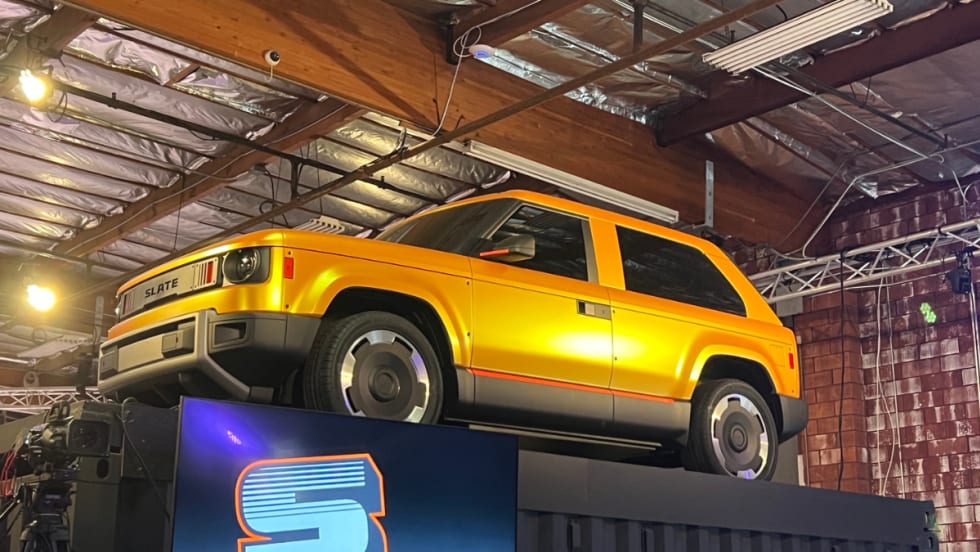
Slate Electric SUV, Pickup Switchable Model Aims For Light-Duty Fleets
Everything about this EV is counterintuitive and understated, making it stand out from the crowd.
Read More →
Inspiration Mobility Acquires Key Electrada Assets
Inspiration Mobility Group has acquired select assets of Electrada, adding the fleet electrification provider's team, technology, and charging infrastructure development capabilities to its energy management business.
Read More →
Turning Connected Vehicle Data Into Decisions That Matter
Fleet leaders have more data than ever, but turning that data into clear, actionable decisions remains a challenge. This white paper shows how leading organizations are using connected vehicle data to improve safety, reduce costs, and optimize fleet performance. Learn how to turn insight into action across your fleet.
Read More →