




New Rules Say Electric Cars Not 'Zero Emission'
WASHINGTON - The Obama administration's new fuel-efficiency rules for automobiles undercut the auto industry's marketing claim that electric cars are "zero emission" vehicles, and instead score against them carbon dioxide emitted by electric-power plants.
WASHINGTON - The Obama administration's new fuel-efficiency rules for automobiles released April 1 undercut the auto industry's marketing claim that electric cars are "zero emission" vehicles, and instead score against them carbon dioxide emitted by electric-power plants, according to an administration official, as reported by the Wall Street Journal.
The new rules will still provide "generous credits" for electric or plug-in hybrids that automakers will be able to use when calculating the average fuel economy and greenhouse-gas emissions of their fleets, a transportation official told WSJ. But electric vehicles will no longer be counted as zero emissions, as a draft of the rules released in September had indicated they would.
The change is to "recognize that there are indeed emissions associated with producing electricity," said a senior Transportation Department official who helped draft the rules, according to WSJ. "The electricity that's coming out is coming from sources that are fired by a whole bunch of things," including nuclear and coal-fired power plants, the official said.
[PAGEBREAK]
The Obama administration's final rules are expected to call for car makers to target a fleet-wide average of 35.5 miles per gallon by 2016. Nissan Motor Co.'s electric Leaf car is scheduled to go on sale in the U.S. in December. General Motors Co. plans to begin selling its Chevrolet Volt electric sedan later this year.
Gloria Bergquist of the Alliance for Automobile Manufacturers, a trade group representing all major auto makers except Honda Motor Co., said the industry needs as large a government credit as possible for plug-ins to defray the costs of the technology.
"Part of the purpose of a credit is to encourage the introduction of these vehicles and to recognize the very large investments that are required by an industry that's still suffering greatly," Bergquist said, according to WSJ.
More Green Fleet
EV Charging Use Is Outpacing Infrastructure Growth
ChargePoint’s 2026 Charging Forward Report points to rising charger use, higher-powered charging, commercial vehicle electrification, and energy-management technology. Here’s what fleets should know.
Read More →
Merchants Fleet Reports 290M EV Miles as Fleets Navigate Changing Electrification Market
From millions in operating savings to hundreds of millions of EV miles, Merchants Fleet’s latest report reveals what’s working and what’s changing in fleet electrification.
Read More →
The EV Breakdown Nobody's Talking About: Why Most Electric Vehicle Roadside Calls Aren't Mechanical Failures
Here's why EV breakdowns are widely misunderstood.
Read More →
ChargePoint Now Available in Energy Pass
ChargePoint and additional planned charging network integrations were added to GM's Energy Pass.
Read More →
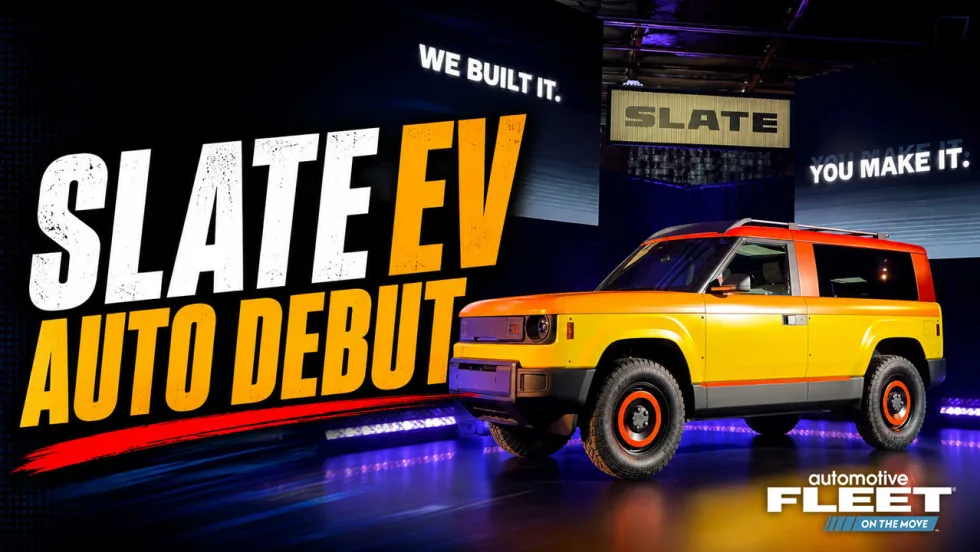
First Look: Slate Auto's Electric Fleet Pickup
Could an affordable, modular EV pickup make electrification more practical for fleets?
Read More →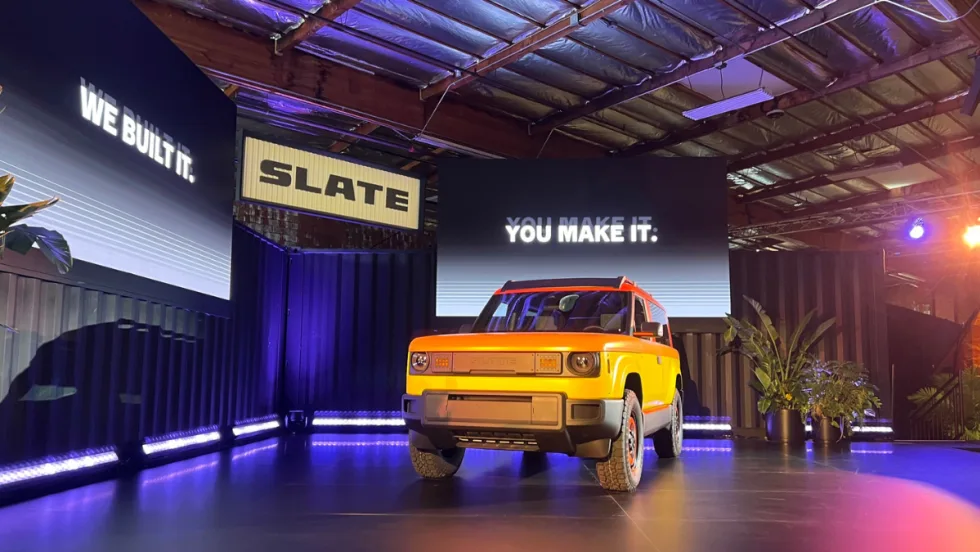
Slate Debuts Colorful, Unique EV Models
A recent media and client event, studded with electric vehicles dressed up on platforms, planted a new position for the manufacturer in the wider EV market. Fleets will find cost-saving advantages.
Read More →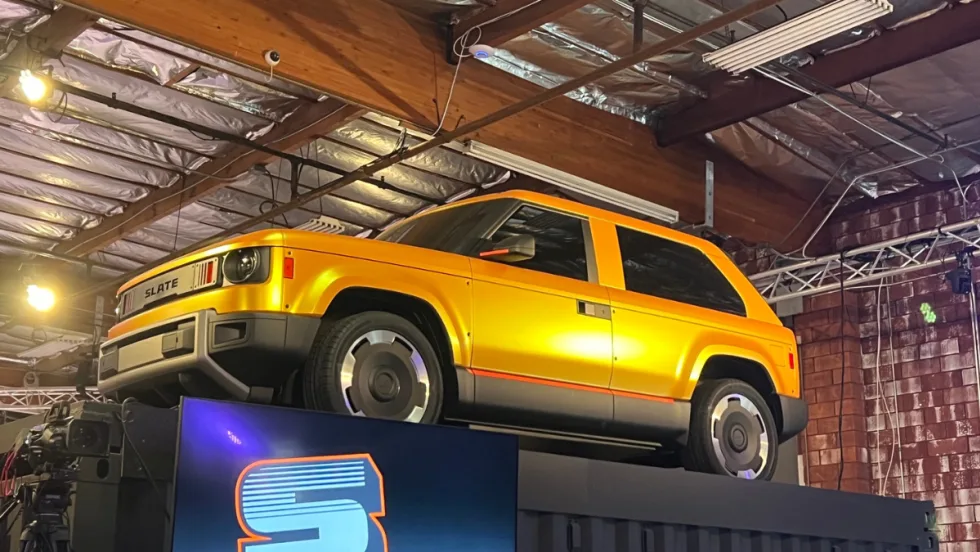
Slate Electric SUV, Pickup Switchable Model Aims For Light-Duty Fleets
Everything about this EV is counterintuitive and understated, making it stand out from the crowd.
Read More →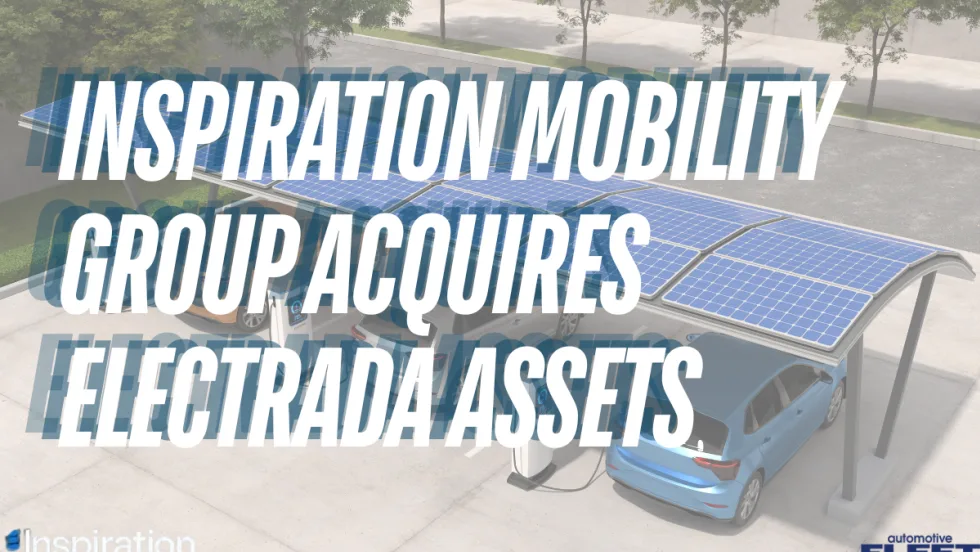
Inspiration Mobility Acquires Key Electrada Assets
Inspiration Mobility Group has acquired select assets of Electrada, adding the fleet electrification provider's team, technology, and charging infrastructure development capabilities to its energy management business.
Read More →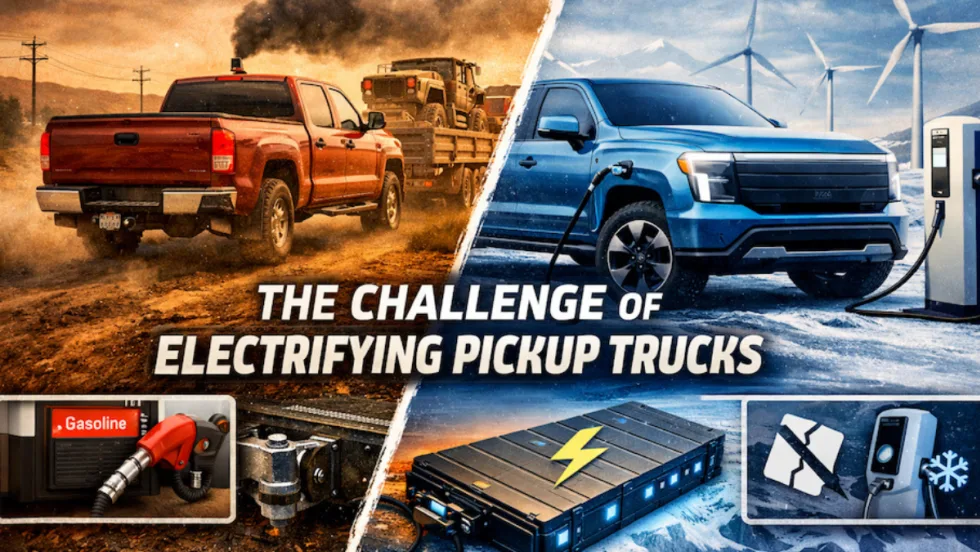
Why America’s Most Popular Vehicle is So Hard to Electrify
Turning America’s favorite workhorse electric means balancing range, payload, charging infrastructure, and price, an equation automakers are still trying to solve.
Read More →