




New Full-Size Van Sales Grow 11 Percent
Sales of new-model full-size commercial vans rose more than 11 percent in 2014 as several manufacturers transitioned to European-style vans and phased out less fuel-efficient models.

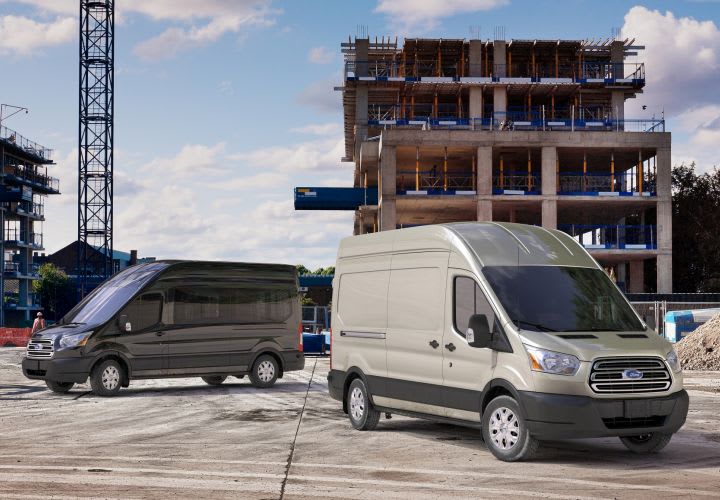
Photo of Transit vans courtesy of Ford.
Photo of Transit vans courtesy of Ford.
Sales of new-model full-size commercial vans rose more than 11 percent in 2014 as several manufacturers transitioned to European-style vans and phased out less fuel-efficient models.
Total sales rose to 288,378 units for 2014, an 11.4 percent increase from the 258,823 units sold the prior year. Full-size vans have been in growth trend, increasing each year since 2010 when 190,766 full-size vans were sold in the U.S. — an increase of more than 30,000 vehicles from 2009.
Ford sold the most full-size vans in 2014 on the strength of its existing E-Series and its 2015 Transit, which began shipping to dealers in June. Ford has led van sales in the U.S. since 1979, according to the company.
Ford sold 103,263 E-Series vans and 20,448 Transit vans for a 42.8 percent share of the market segment. Ford closed the year out on a high note by selling more than 10,000 Transit vans in December, according to Ford.
Ford also sold more than 40,000 Transit Connect compact vans in 2014.
"We are seeing a resurgence in the van market as customers increasingly take advantage of the versatility, efficiency and low cost of ownership of Transit and Transit Connect," said Yaroslav Hetman, brand manager for Ford's van trio. "December was an exciting month for us, as we sold more vans in the United States than in any single month since June 1999."
General Motors, Mercedes Benz, FCA's Ram Truck brand, and Nissan also grew sales of their full-size vans. After the E-Series, other full-size vans sold included the Chevrolet Express, GMC Savana, Mercedes-Benz Sprinter, Transit, Ram ProMaster, and Nissan NV.
Ram Truck enters 2015 with a full year of ProMaster sales under its belt and hope that its front-wheel drive model with a lower step-in height will capture new buyers, said Dave Sowers, head of commercial vehicle marketing. Ford's shift to a Euro-style van has opened the eyes of fleet customers considering full-size vans, Sowers said.
"They've opened people's eyes to what Euro configurations can do from an efficiency standpoint," Sowers said. "The new style of van offers better packaging and efficient transportation."
Full-size vans have also retained their residual value at a higher level than other vehicle segments at used-vehicle auctions. Passenger variants rose 3.5 percent during the year and cargo variants fell only 3.8 percent.
By Paul Clinton
More Operations
Here's When You Should Make an Exception to Fleet Policy
Fleet policies are designed to create consistency, but not every driver or situation fits neatly within standard rules.
Read More →
AI-Native or AI-Acquired: What Should Fleet Managers Look for in an AI Platform?
Six questions can help fleet managers look beyond AI marketing claims to evaluate integration, data access, and real-world operational performance.
Read More →
A buyer's guide to fleet management software in 2027
Buying fleet management software in 2027 means looking beyond features and price. As fleet operations, technology and expectations evolve, this guide explores what today’s fleet professionals should consider when choosing a system that can deliver value now and adapt to what comes next.
Read More →

What Will Shape the Next Era of Fleet Management?
EVs, AI, and autonomous vehicles are reshaping fleet management. Discover what’s ahead—and how fleet leaders can prepare for the next era.
Read More →
How Fleets Can Recruit and Train Veterans for Technician Roles
Here's how the technician shortage has affected uptime for fleets, and what to do about it.
Read More →
Avis Budget Group Deploys Neology Toll Management Technology Across Major Brands
Neology’s neoFleet platform will manage toll transactions and toll-authority operations for vehicles across Avis, Budget, Payless, Budget Truck and Zipcar.
Read More →
Fleet Personal-Use Charges Edge Higher in 2026
Nearly eight in 10 surveyed fleets allow personal use of company vehicles, while just over half of respondents report charging employees for the privilege.
Read More →
The Future of Fleet + What’s Changing Right Now | AF News Recap
Could developments overseas offer a preview of what’s coming for U.S. fleets? This week, we’re looking at the future of AI, autonomy, and electrification, plus Ford Pro’s new certified pre-owned program, smarter vehicle offboarding, and a new way for fleets to manage toll expenses.
Read More →
How to Handle Vehicle Offboarding
What do fleet managers need to do when a driver leaves?
Read More →
Fleet Manager’s Ultimate Playbook: Navigating the New Standard in OEM Connectivity
Rising operating costs, driver safety concerns, and unplanned downtime are putting unprecedented pressure on modern fleets. Discover how fleet managers use embedded OEM connectivity and real-time vehicle data to cut TCO, prevent downtime, and protect drivers without aftermarket telematics hardware.
Read More →