




New CA Requirements for Auto Refrigerant
SACRAMENTO, CA --- In 2010, California's home-based mechanics will see changes to small containers of R-134a, a compound used to recharge automobile air-conditioning systems and a potent greenhouse gas.
SACRAMENTO, CA --- In 2010, California's home-based mechanics will see changes to small containers of R-134a, a compound used to recharge automobile air-conditioning systems and a potent greenhouse gas.
The state's new requirements, adopted by the California Air Resources Board (CARB) to comply with California's Global Warming Solutions Act of 2006 (AB 32), are expected to eliminate over 250,000 metric tons of carbon-dioxide equivalents in 2020. The gas in these small containers, R-134a, is 1,300 times more powerful than carbon dioxide in trapping heat from the sun in the atmosphere, according to CARB.
"This is an excellent example of how regulations can be crafted with full cooperation of the industry," said CARB Chair Mary D. Nichols. "As a result, do-it-yourselfers will continue to have an affordable product to recharge their car's air conditioners but with fewer emissions of potent greenhouse gases."
The regulation, one of a series of measures under AB 32, has four major components:
Better container technology -- a self-sealing valve on all small containers of automotive refrigerant sold in California to prevent emissions of any product remaining in a used container
Improved instructions for use
A new industry-run container deposit and recycling program to ensure the recovery of refrigerant remaining in a used can
A manufacturer-developed education program so consumers can use the best techniques for recharging an air conditioner.
Consumers of the do-it-yourself cans of automotive refrigerant should begin to see cans on the shelf that meet the new requirements as existing inventory is sold and restocked over the next few months.
AB 32, California's Global Warming Solutions Act of 2006, was signed into law by Gov. Arnold Schwarzenegger in September 2006 and calls on California to reduce its greenhouse gas emissions to 1990 levels by 2020.
More Green Fleet

Everything You Need to Know About Renewable Diesel
Learn how renewable diesel works, how it differs from biodiesel, and what work truck fleets should know about costs, emissions, and performance.
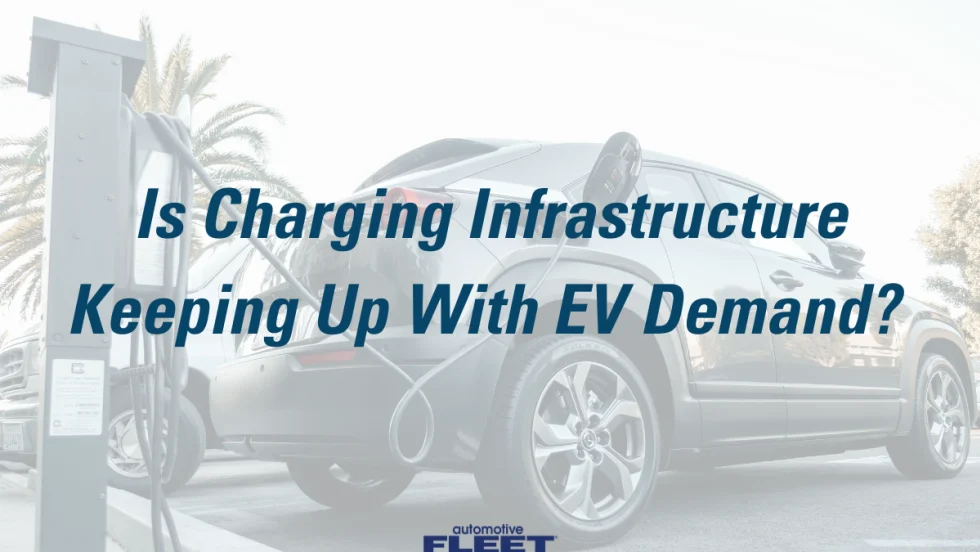
EV Charging Use Is Outpacing Infrastructure Growth
ChargePoint’s 2026 Charging Forward Report points to rising charger use, higher-powered charging, commercial vehicle electrification, and energy-management technology. Here’s what fleets should know.
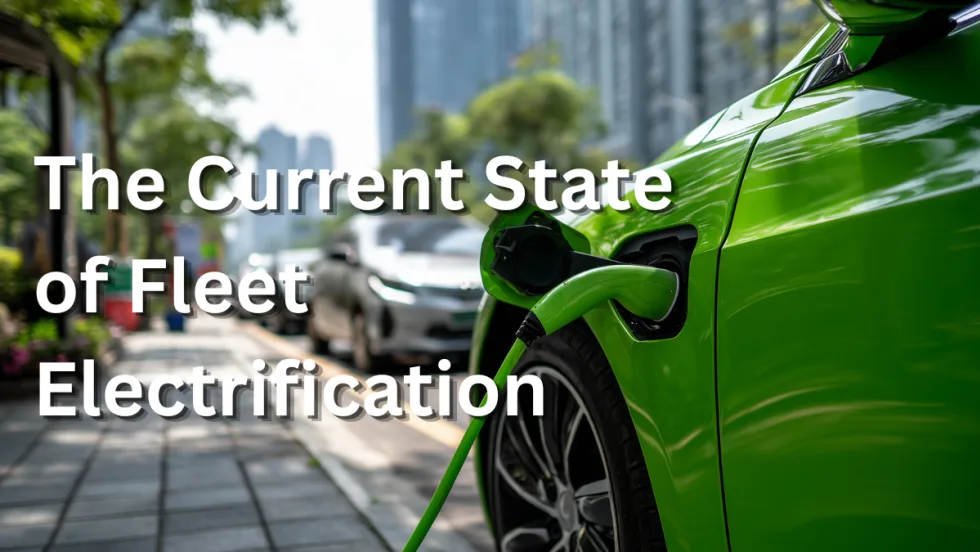
Merchants Fleet Reports 290M EV Miles as Fleets Navigate Changing Electrification Market
From millions in operating savings to hundreds of millions of EV miles, Merchants Fleet’s latest report reveals what’s working and what’s changing in fleet electrification.
The EV Breakdown Nobody's Talking About: Why Most Electric Vehicle Roadside Calls Aren't Mechanical Failures
Here's why EV breakdowns are widely misunderstood.
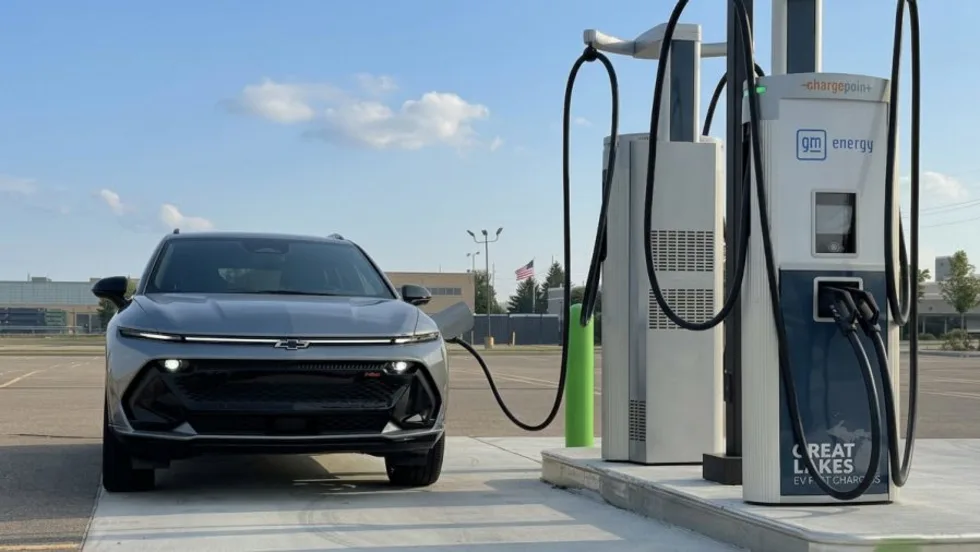
ChargePoint Now Available in Energy Pass
ChargePoint and additional planned charging network integrations were added to GM's Energy Pass.


First Look: Slate Auto's Electric Fleet Pickup
Could an affordable, modular EV pickup make electrification more practical for fleets?

Slate Debuts Colorful, Unique EV Models
A recent media and client event, studded with electric vehicles dressed up on platforms, planted a new position for the manufacturer in the wider EV market. Fleets will find cost-saving advantages.
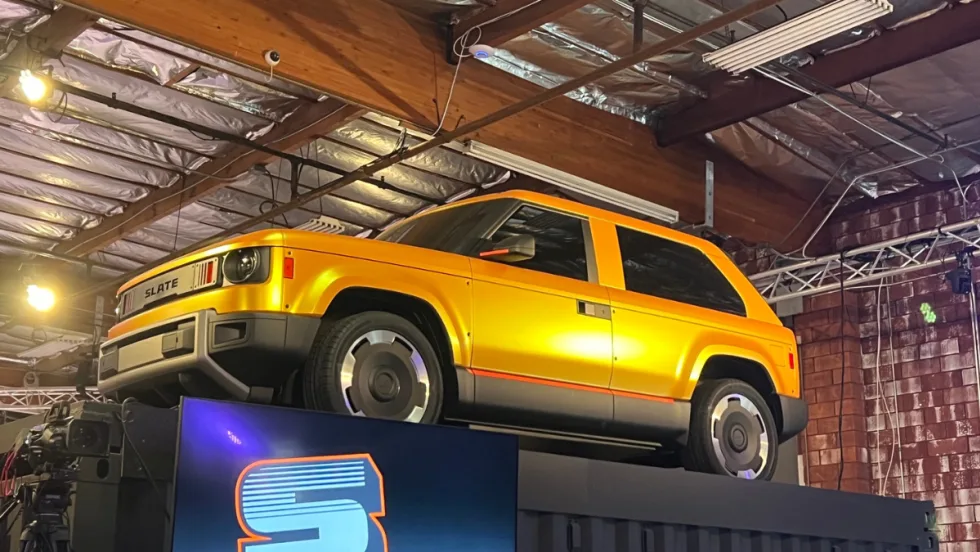
Slate Electric SUV, Pickup Switchable Model Aims For Light-Duty Fleets
Everything about this EV is counterintuitive and understated, making it stand out from the crowd.

Inspiration Mobility Acquires Key Electrada Assets
Inspiration Mobility Group has acquired select assets of Electrada, adding the fleet electrification provider's team, technology, and charging infrastructure development capabilities to its energy management business.