




Netradyne: Driveri Improved Stop-Sign Compliance 55%
Netradyne's vision-based safety platform, Driveri, has improved stop sign compliance by 55% across its customer base.


Fleets such as the Stanley Steemer franchise in San Diego utilize Netradyne for increased stop-sign compliance.
Photo: Lauren Fletcher
Netradyne, a provider of artificial intelligence technology focusing on driver and fleet safety, announced that its vision-based safety platform, Driveri, has improved stop sign compliance by 55% across its customer base, with some fleets improving over 90%, according to the company.
The company analyzed its last 10 million stop sign observations to show a 61% improvement for non-stop events and 51% improvement for rolling stops.
Driveri utilizes AI to capture every minute of every driving day to visually recognize and analyze driving events, enabling fleets to not just measure violations, but overall compliance.
To date, the system has recorded more than 900 million minutes and 350 million miles of driving, “seeing” events that legacy “trigger-based” systems would not, including stop sign violations that are rarely inertial-based. Improving stop sign safety is especially important knowing that, according to the NTHSA, 37% of vehicle-related fatalities are from intersections with 15% of these fatalities resulting from stop sign violations.
“The very fact that this improvement can be recorded illustrates the power of AI within our industry,” said Adam Kahn, president of Fleet for Netradyne. “Just a few years ago, things like rolling stops would have not been captured. Today, our intuitive, deep-learning, vision-based technology allows us to highlight your drivers’ great driving while gaining visibility into other incidents with full context for more productive conversations between fleet managers and drivers.”
Driveri provides fleet managers with a comprehensive view of drivers’ activity through a blend of real-time positive driving notifications and best practice identification. This combination of supportive comments along with constructive feedback about risky driving behavior engages drivers in a balanced way that promotes collaborative relationships and ultimately, as the data has shown, safer drivers.
Originally posted on Work Truck Online
More Telematics
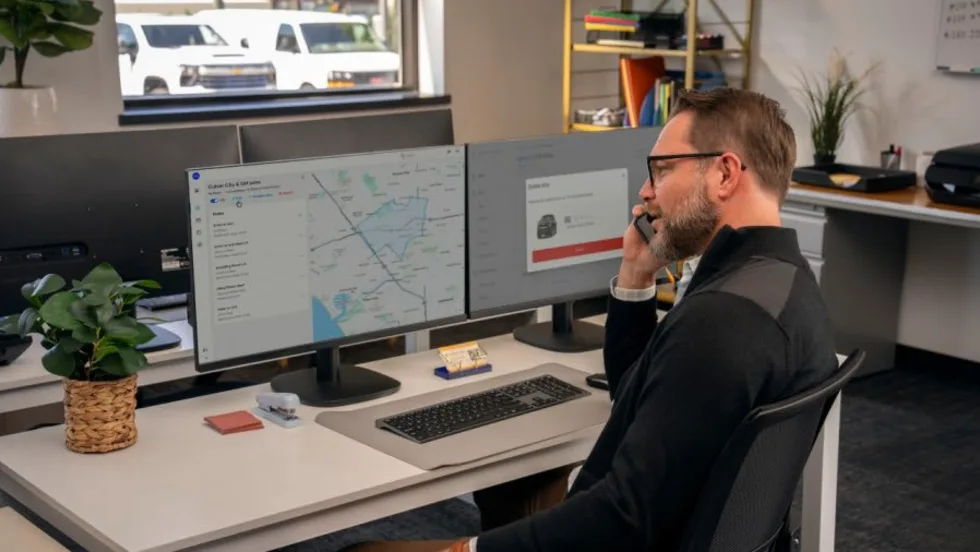
GM Launches OnStar Fleet Intelligence Platform With AI Assistant
The new platform brings vehicle data, order tracking, connected services and fleet analytics into one system, with an AI assistant that can answer fleet questions using natural-language prompts.
Read More →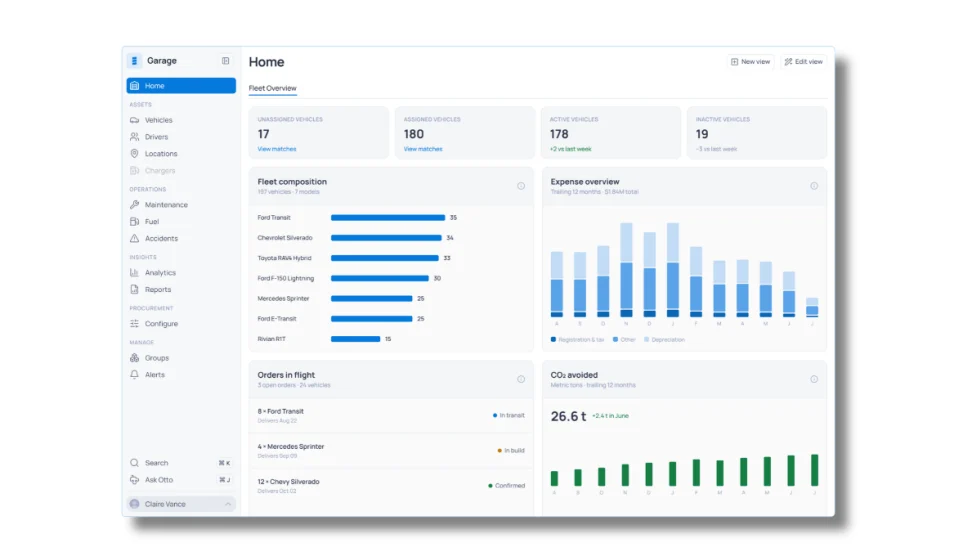
Inspiration Fleet Introduces Garage 2.0 Fleet Intelligence Platform
Fleet managers increasingly have access to data from vehicles, telematics, fuel, charging, and other systems, but those sources don't always communicate with one another. Inspiration Fleet's Garage 2.0 platform brings that information together while letting fleets keep working with different technology and service providers.
Read More →
Inside Inspiration Fleet’s New Platform for Connecting Fleet Data
Inspiration Fleet CTO Chris Getner explains how the new Garage 2.0 platform is designed to connect disparate fleet data and what that could mean for fleet managers in practice.
Read More →
Fleet Manager’s Ultimate Playbook: Navigating the New Standard in OEM Connectivity
Rising operating costs, driver safety concerns, and unplanned downtime are putting unprecedented pressure on modern fleets. Discover how fleet managers use embedded OEM connectivity and real-time vehicle data to cut TCO, prevent downtime, and protect drivers without aftermarket telematics hardware.
Read More →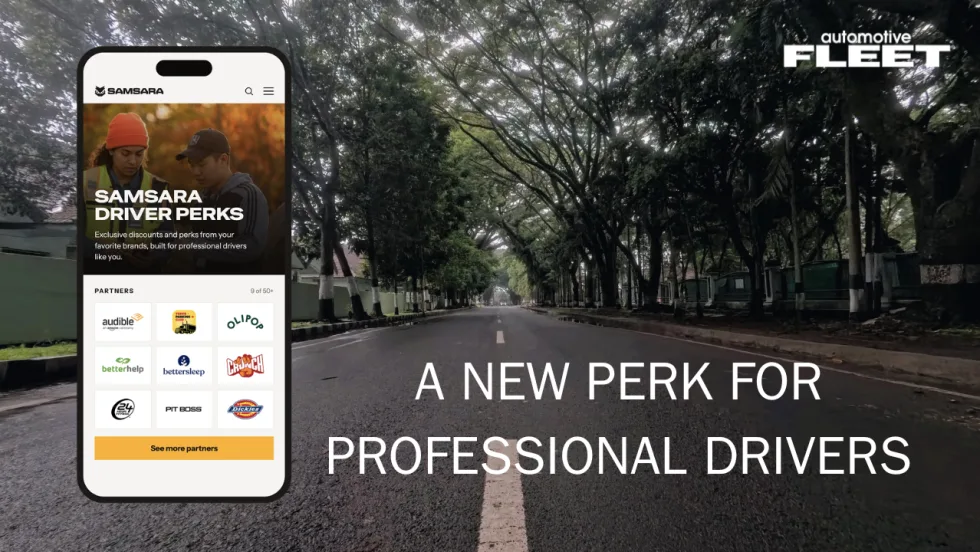
Samsara Driver Perks Adds New Benefit for Corporate Fleet Drivers
The rewards program gives eligible professional drivers access to discounts from more than 50 brands while giving fleets another way to support recruitment, retention, and the driver experience.
Read More →
Inside the Church of Jesus Christ of Latter-day Saints’ Two-Track Telematics Strategy
With 20,000 vehicles and two fundamentally different driver populations, the Church faced a fleet management problem that a single telematics program couldn't solve. How it responded offers a replicable framework for any fleet where one size doesn't fit every driver.
Read More →
How Conversational AI Can Make Fleet Tasks Easier for Drivers
While most generative AI tools help fleet managers interpret data at their desks, Connex2X is applying voice interaction to tasks behind the wheel.
Read More →
Why Fleets Are Creating Dedicated Fleet Analyst Positions
Are fleet analyst positions the new norm? Listen here to find out.
Read More →
Teletrac Navman Begins Next Chapter as Standalone Private Company
What's new with Teletrac Navman and its new owner?
Read More →
Why Fleets Are Creating Dedicated Fleet Analyst Positions
Telematics, AI, EVs, and connected technologies are generating more fleet data than traditional teams can effectively manage. Reed Jackson explains why dedicated fleet analytics roles are emerging to turn that information into better operational decisions.
Read More →