




Netistix Technologies Heads Up Vehicle Telematics Consortium
OTTAWA, CANADA – Netistix Technologies has been chosen to be the lead organization in a consortium of public and private organizations developing a low-cost consumer vehicle monitoring and information system.
OTTAWA, CANADA – Netistix Technologies has been chosen to be the lead organization in a consortium of public and private organizations developing a low-cost consumer vehicle monitoring and information system. The primary drivers are the environmental benefits of lower greenhouse gas emissions and cleaner air through reduced vehicle emissions. The project objective is the development of a telematics product that will assist with the reduction of emissions, fuel and lifecycle costs, while improving vehicle reliability and safety. Vehicle information will automatically be downloaded using WiFi technology when participant vehicles drive near select Petro-Canada Certigard locations. Similar to the Netistix commercial fleet solution, which is in use by a number of privately and publicly owned fleets in Canada; the consumer version of the product will collect data on driving habits, engine performance, idling time, and other related data. Other vehicle owner benefits would include lower fuel consumption, with reduced idling and lower repair costs, by identifying small problems before they could necessitate larger, more expensive repairs. The project has received preliminary approval for funding from Sustainable Development Technology Canada (SDTC), a not-for-profit foundation created by the Government of Canada that supports the development and demonstration of clean technologies. The project size, including industry-partner contributions, totals $1.4 million (Cdn) and is expected to take 18 months to complete. “Our primary target has been larger fleets of vehicles and we developed the product with that mar-ket in mind. This is a complementary project leveraging our existing technology, which will allow us to move forward with developing a more compact version of the product. This solution will unlock the value in being environmentally responsible with reduced fuel expenses for consumers,” said Gord Echlin, CEO of Netistix Technologies. “The implications are vast for this model of widely dispersed and conveniently located vehicle download points of presence such as Certigard stations. Other related transportation industry participants such as insurance companies, auto clubs and repair organizations could use this model as a customer relationship management tool to increase revenues and customer loyalty,” said John Woronczuk, VP of Marketing and Sales for Netistix. In addition to Netistix Technologies, the consortium members include the Automotive Industries Association of Canada, Carleton University, Jacques Whitford and Petro-Canada Certigard.
More Telematics

Element Expands Waymo Partnership to Support Toronto Robotaxi Fleet
As Waymo prepares to enter the Canadian market, Element Fleet Management will oversee the fleet operations supporting its planned Toronto launch. The partnership highlights the maintenance, charging, and infrastructure requirements behind operating autonomous vehicles at scale.
Read More →
GM Launches OnStar Fleet Intelligence Platform With AI Assistant
The new platform brings vehicle data, order tracking, connected services and fleet analytics into one system, with an AI assistant that can answer fleet questions using natural-language prompts.
Read More →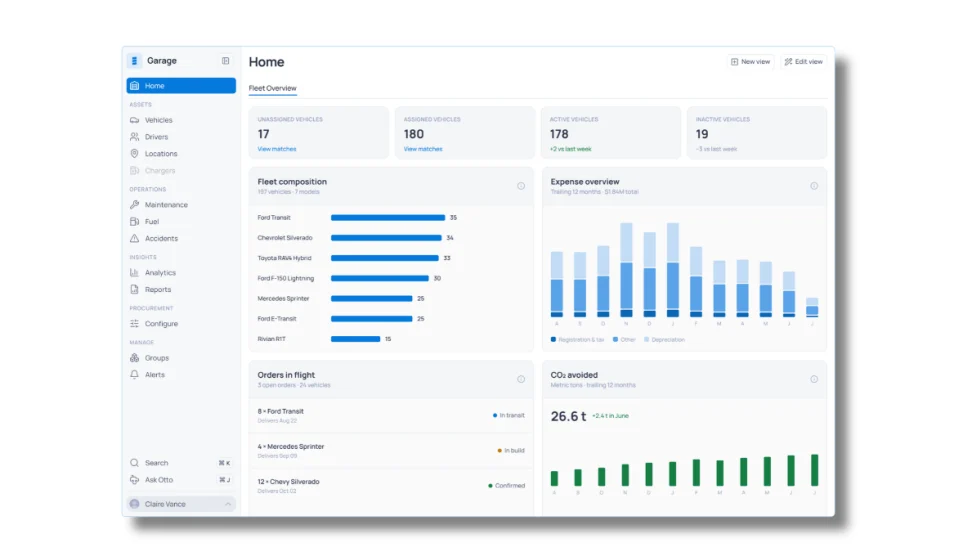
Inspiration Fleet Introduces Garage 2.0 Fleet Intelligence Platform
Fleet managers increasingly have access to data from vehicles, telematics, fuel, charging, and other systems, but those sources don't always communicate with one another. Inspiration Fleet's Garage 2.0 platform brings that information together while letting fleets keep working with different technology and service providers.
Read More →
Inside Inspiration Fleet’s New Platform for Connecting Fleet Data
Inspiration Fleet CTO Chris Getner explains how the new Garage 2.0 platform is designed to connect disparate fleet data and what that could mean for fleet managers in practice.
Read More →
Fleet Manager’s Ultimate Playbook: Navigating the New Standard in OEM Connectivity
Rising operating costs, driver safety concerns, and unplanned downtime are putting unprecedented pressure on modern fleets. Discover how fleet managers use embedded OEM connectivity and real-time vehicle data to cut TCO, prevent downtime, and protect drivers without aftermarket telematics hardware.
Read More →
Samsara Driver Perks Adds New Benefit for Corporate Fleet Drivers
The rewards program gives eligible professional drivers access to discounts from more than 50 brands while giving fleets another way to support recruitment, retention, and the driver experience.
Read More →
Inside the Church of Jesus Christ of Latter-day Saints’ Two-Track Telematics Strategy
With 20,000 vehicles and two fundamentally different driver populations, the Church faced a fleet management problem that a single telematics program couldn't solve. How it responded offers a replicable framework for any fleet where one size doesn't fit every driver.
Read More →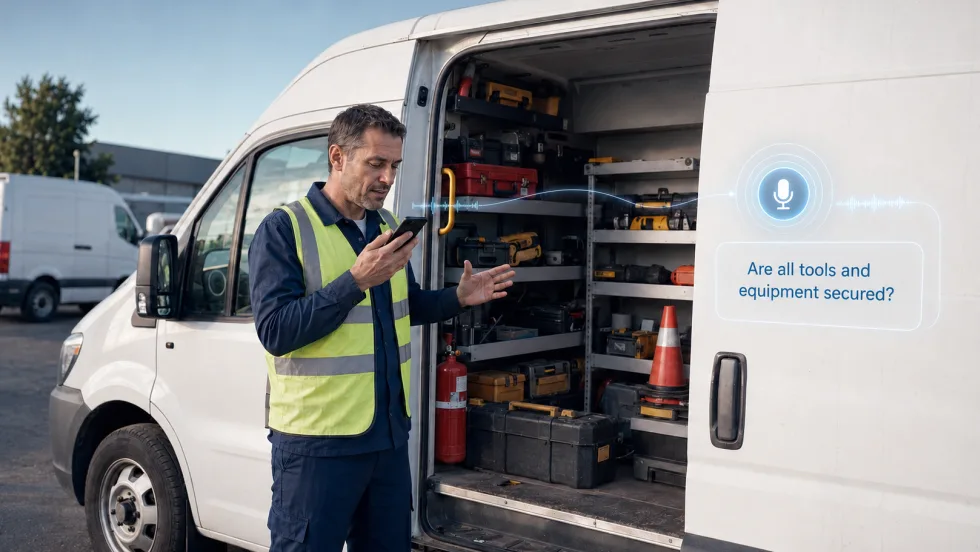
How Conversational AI Can Make Fleet Tasks Easier for Drivers
While most generative AI tools help fleet managers interpret data at their desks, Connex2X is applying voice interaction to tasks behind the wheel.
Read More →
Why Fleets Are Creating Dedicated Fleet Analyst Positions
Are fleet analyst positions the new norm? Listen here to find out.
Read More →
Teletrac Navman Begins Next Chapter as Standalone Private Company
What's new with Teletrac Navman and its new owner?
Read More →