




Navigating the EV Transition: GM Envolve’s Starter Kit Offers Fleet Support
The customer experience program is making it easier for fleets to go electric with their new EV Starter Kit, designed to tackle the challenges of transitioning to electric vehicles.

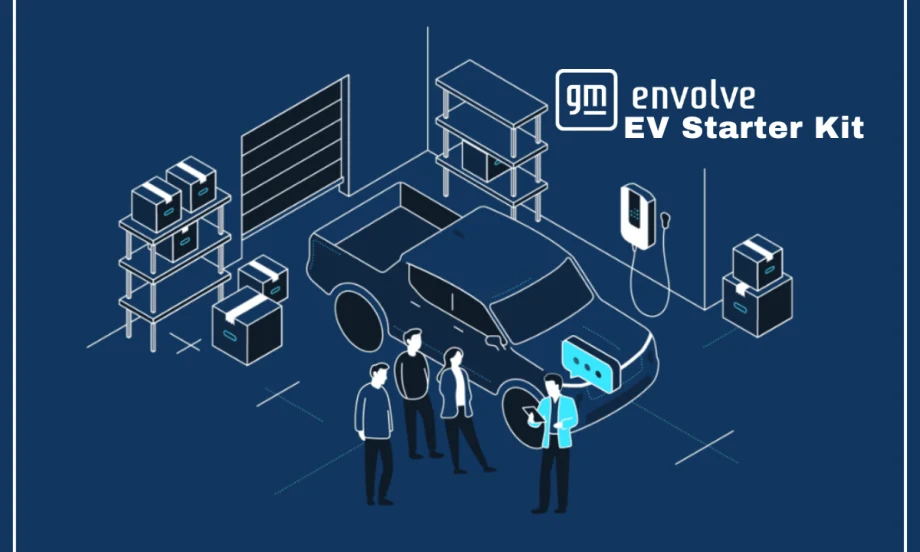
With the EV Starter Kit from GM Envolve, they can help fleet managers create a personalized EV plan for their business.
Source: GM Envolve / Automotive Fleet
GM Envolve has introduced an EV Starter Kit for fleet and commercial customers to help make electric vehicle (EV) adoption in fleets a more seamless and successful experience.
According to a study published by Cox Automotive, 87% of fleet customers plan to add EVs to their fleets within the next five years, but less than 40% of those customers feel highly prepared for the transition.
Based on direct customer feedback, GM Envolve developed a kit to meet customer needs during an EV transition, which provides a step-by-step, structured approach through actionable products, services, and experts available for guidance.
The primary purpose of the GM Envolve is to offer a unified front that prevents confusion, explained Jennifer Costabile, general director of GM Envolve. By being a central hub for inquiries, the customer experience program acts as a one-stop place for customers to get answers to burning questions and receive holistic solutions.
What Is the EV Starter Kit?
For companies and fleet managers who are not necessarily EV experts, the EV Starter Kit would take out the experimentation and guesswork of implementing EVs into their fleet.
"Over 80% of customers are going to add EVs to their fleet in the next five years. They know they have to do it with such strong sustainability goals. To meet those goals fleets are turning to EVs," Costabile said.
Costabile emphasized some fleets know they want to transition because of cost savings, but they don't know where or how to start. "[Fleets] won't add something without testing or piloting it first," she said.
It's not uncommon for fleets of varying sizes to implement a pilot program that provides a short-term experiment gauging how feasible it is to implement EVs, for example. Fleet managers must consider routes to test, drivers willing to transition over, and what type of vehicle to pilot.
That's just the beginning. However, the EV Starter Kit can assess other pain points like charger installation, infrastructure, and driver training, thus extending its support well after the first steps of a fleet's EV transition.
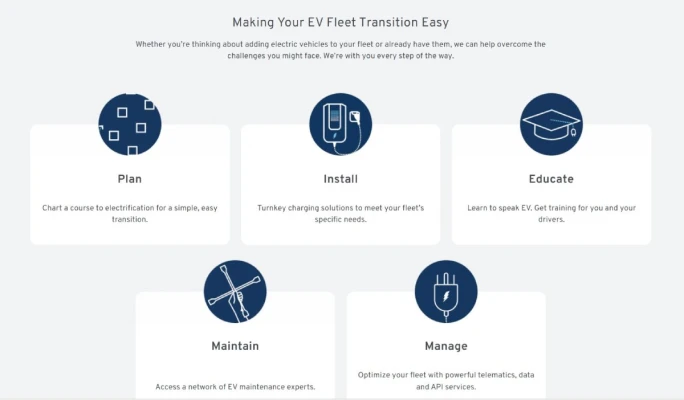
GM Envolve will also offer training and support through curated educational content based on the vehicles a fleet selects, their region, and what kind of routes they make.
Source: GM Envolve
Steps Toward Optimizing Fleet Electrification
One of the first steps the EV Starter Kit prioritizes is, through a driver survey, identifying drivers who may have EV experience or are eager to participate. This will show a fleet the best, most likely candidates for a pilot program.
"Some drivers want to be early adopters," Costabile said. "Isolate the top drivers to start with, and through a fleet electrification report, we can make data-driven recommendations on how to transition drivers."
Then, based on a fleet's business, finding the best routes for the pilot program based on mileage, public charging, and which vehicles would be the best to change over first.
Energy subject matter experts can help fleets decide on depot charging or infrastructure, according to Costabile, including coming up with a plan on how drivers can take vehicles home. The kit includes the GM Energy PowerUp level 2 charger complementary to fleet customers with the purchase of an EV vehicle.
The EV Starter Kit uses GM Envolve's partnership with Qmerit, an EV home charging installation service provider, to manage home installations from beginning to end. "It takes the pressure off the fleet managers to figure all of this out," Costabile said.
GM Envolve will also offer training and support through curated educational content based on the vehicles a fleet selects, their region, and what kind of routes they make. The starter kit will also provide customized training through a virtual studio and 24hr call center support.
Looking to the Future
"The EV Starter Kit was designed with customers in mind," Costabile said. She explained that customers have started piloting with their feedback directly integrated into their EV transition. Costabile also noted that the kit can grow with fleets. "No matter where they are in their journey, we feel equipped to support them," she said.
Specific integrations, such as OnStar telematics, can help unlock charge reimbursement for charging at home and pull data off a vehicle to see how much it was charged for a certain period.
In the long term, telematics can show fleets their EV diagnostics compared to their ICE vehicles. Providing KPIs for how these vehicles operate will allow fleet managers to build a solid case for adding more EVs in the future.
"I desire to have our customers feel confident to add EVs to their fleet. It brings them savings, and, quite frankly, EVs can help businesses be more efficient and achieve sustainability goals. We want to help our customers realize these goals. The more EVs are brought into fleets is a win," Costabile said.
More Green Fleet
New Propane Autogas Program Offers Fleet Compensation
Qualified commercial fleets can receive $7,500 per eligible propane autogas vehicle and up to $10,000 for new refueling site prep. Learn how the program works and see whether your fleet qualifies.
Read More →
EV Charging Use Is Outpacing Infrastructure Growth
ChargePoint’s 2026 Charging Forward Report points to rising charger use, higher-powered charging, commercial vehicle electrification, and energy-management technology. Here’s what fleets should know.
Read More →
Merchants Fleet Reports 290M EV Miles as Fleets Navigate Changing Electrification Market
From millions in operating savings to hundreds of millions of EV miles, Merchants Fleet’s latest report reveals what’s working and what’s changing in fleet electrification.
Read More →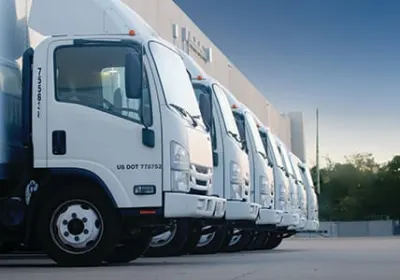
The EV Breakdown Nobody's Talking About: Why Most Electric Vehicle Roadside Calls Aren't Mechanical Failures
Here's why EV breakdowns are widely misunderstood.
Read More →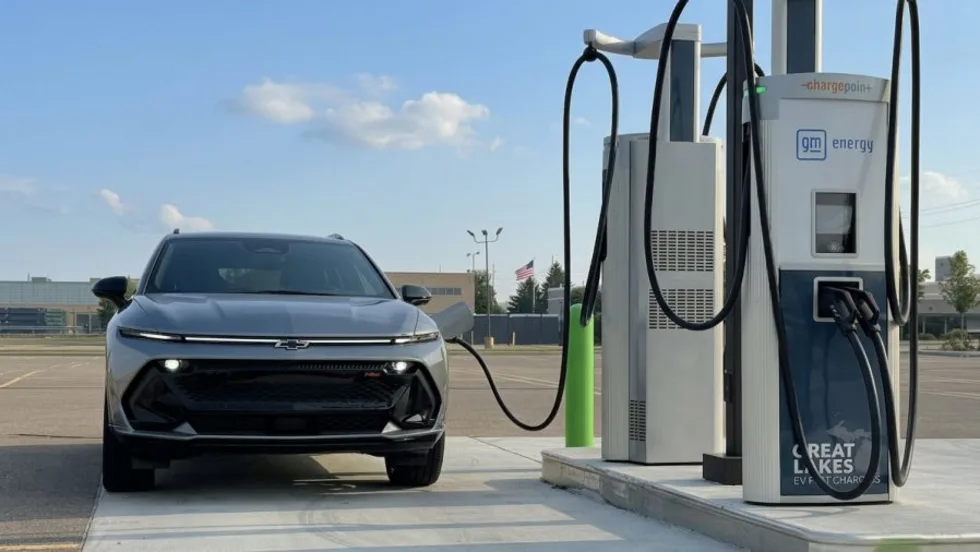
ChargePoint Now Available in Energy Pass
ChargePoint and additional planned charging network integrations were added to GM's Energy Pass.
Read More →
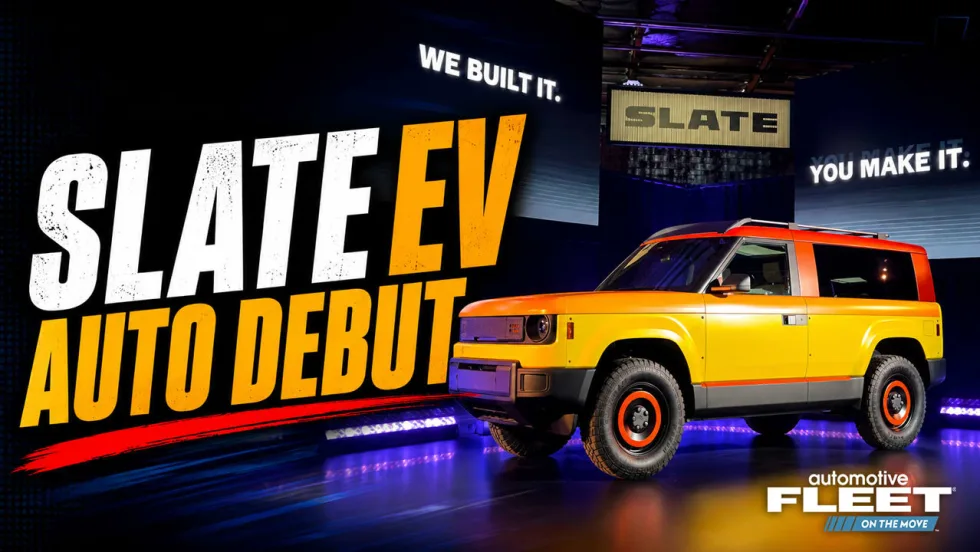
First Look: Slate Auto's Electric Fleet Pickup
Could an affordable, modular EV pickup make electrification more practical for fleets?
Read More →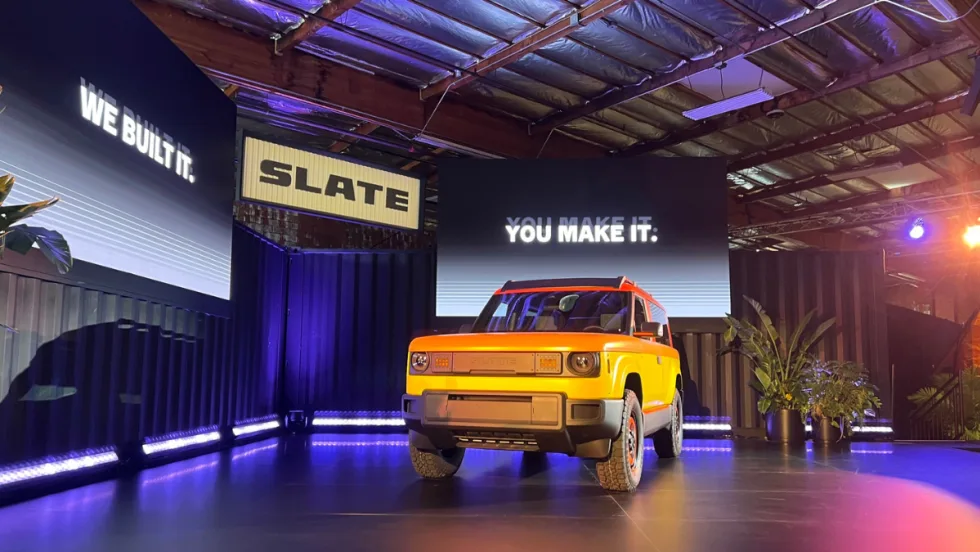
Slate Debuts Colorful, Unique EV Models
A recent media and client event, studded with electric vehicles dressed up on platforms, planted a new position for the manufacturer in the wider EV market. Fleets will find cost-saving advantages.
Read More →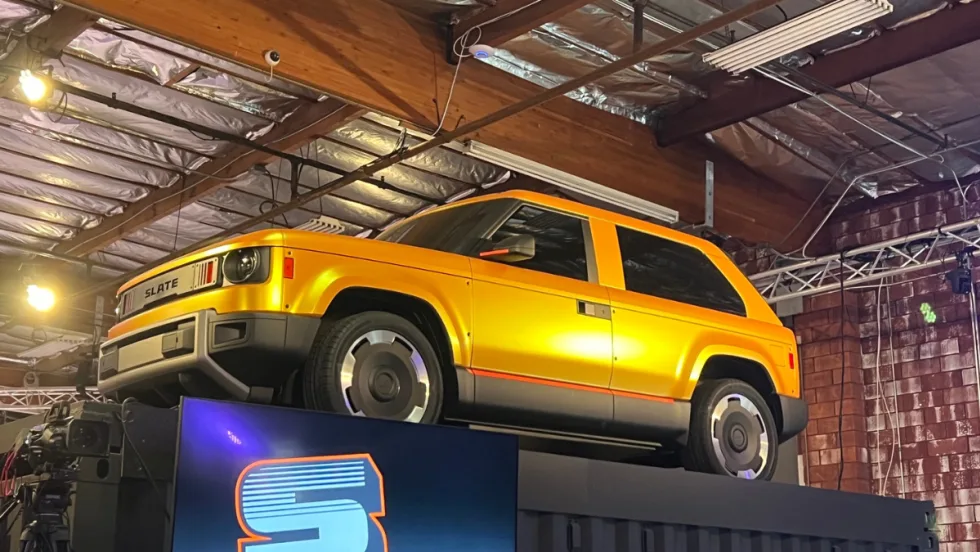
Slate Electric SUV, Pickup Switchable Model Aims For Light-Duty Fleets
Everything about this EV is counterintuitive and understated, making it stand out from the crowd.
Read More →
Inspiration Mobility Acquires Key Electrada Assets
Inspiration Mobility Group has acquired select assets of Electrada, adding the fleet electrification provider's team, technology, and charging infrastructure development capabilities to its energy management business.
Read More →