




NASA Studies Cellulose for Biofuel Production
MOFFETT FIELD, CA --- Scientists at NASA Ames Research Center in California are working on a method to transform the wasted parts of plants into fuel and food, using what is called bionanotechnology.
MOFFETT FIELD, CA --- Scientists at NASA Ames Research Center in California are working on a method to transform the wasted parts of plants into fuel and food, using what is called bionanotechnology.
Of course, there's a longstanding tradition of transferring NASA technical advances to the public sector and finding commercial applications. For example, NASA aerodynamics research eventually prompted changes in how commercial trucks are designed today. NASA's involvement in biofuel research may be motivated by fuel needs for long-term missions on Mars or other extraterrestrial environments, but ultimately that same research may help develop fuels that can be used by everyday vehicles right here on Earth.
The NASA research team is assembling enzyme structures with multiple functions, modeled after a natural enzyme complex that breaks down inedible plant material into usable sugars.
"Turning waste into resources is our purpose," said Chad Paavola, a research scientist at Ames. "We're working on a process that converts cellulose into sugar. Cellulose is a common substance found in all plants, including wheat straw, corn stalks and woody material. Its sugar can be converted into other resources, such as food, fuels or chemicals."
Cellulose is an attractive raw material for producing sugar because of its abundance. However, it is difficult to access the sugar in cellulose because it is arranged in structures called polymers that are difficult to break down. In nature, enzyme complexes, known as cellulosomes, are among the most effective ways to convert cellulose into useable sugars.
To better understand how cellulosomes work and to mimic their function, the team of NASA scientists built enzyme complexes modeled after natural cellulosomes, using protein parts from different microbes.
By placing the microbes' DNA sequences, or genetic blueprints, for these component parts into a common laboratory bacterium, the scientists were able to create a protein structure to act as a scaffold to attach enzymes with different functions. This allowed the enzymes to work together more efficiently. In this arrangement, the enzymes produce significantly more sugar from cellulose than the same enzymes produce when they are not attached to the scaffold.
The NASA scientists reached a milestone demonstrating the feasibility of duplicating nature by building multi-enzyme arrays on a self-assembling scaffold of their own design.
"This is an exciting result," said Jonathan Trent, an astrobiologist at NASA Ames. "We succeeded in assembling a complex nano-scale structure with diverse components that self-assembles and serves a useful purpose. It's like a Swiss army knife of enzymes. This brings us a small step closer to functional nano-engineering."
More Green Fleet

EV Charging Use Is Outpacing Infrastructure Growth
ChargePoint’s 2026 Charging Forward Report points to rising charger use, higher-powered charging, commercial vehicle electrification, and energy-management technology. Here’s what fleets should know.
Read More →
Merchants Fleet Reports 290M EV Miles as Fleets Navigate Changing Electrification Market
From millions in operating savings to hundreds of millions of EV miles, Merchants Fleet’s latest report reveals what’s working and what’s changing in fleet electrification.
Read More →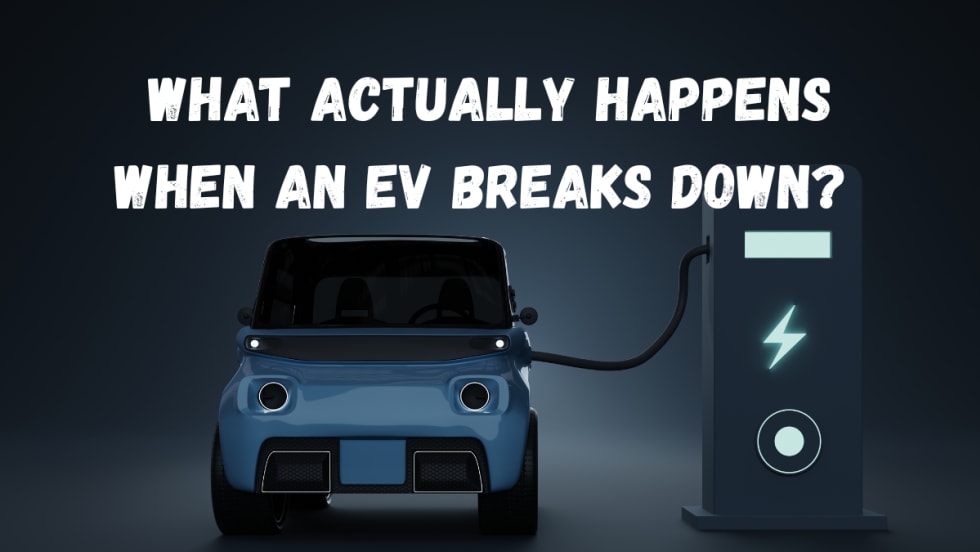
The EV Breakdown Nobody's Talking About: Why Most Electric Vehicle Roadside Calls Aren't Mechanical Failures
Here's why EV breakdowns are widely misunderstood.
Read More →
ChargePoint Now Available in Energy Pass
ChargePoint and additional planned charging network integrations were added to GM's Energy Pass.
Read More →
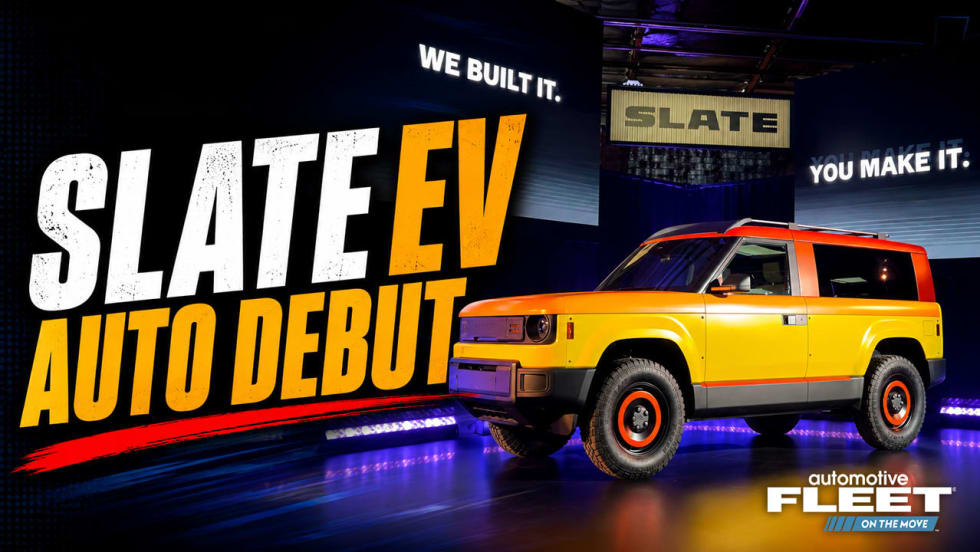
First Look: Slate Auto's Electric Fleet Pickup
Could an affordable, modular EV pickup make electrification more practical for fleets?
Read More →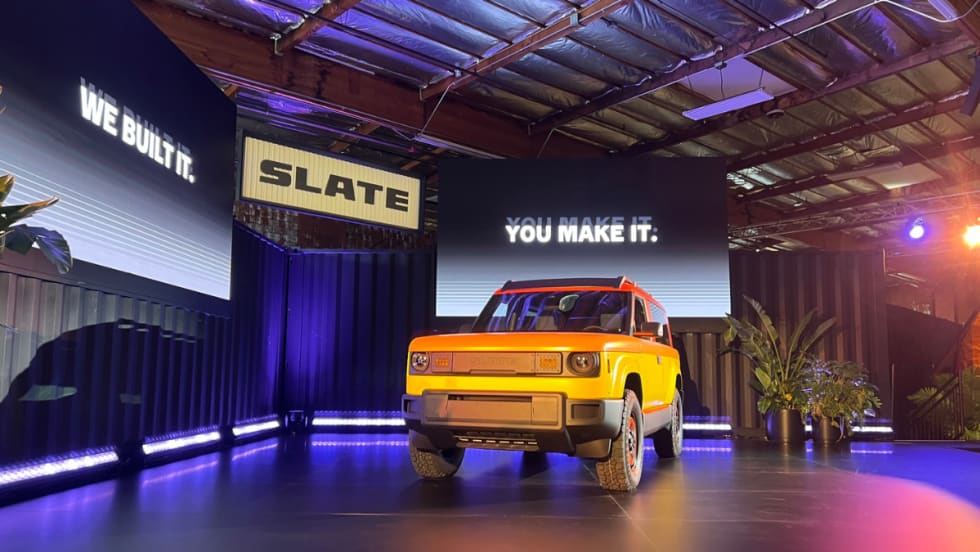
Slate Debuts Colorful, Unique EV Models
A recent media and client event, studded with electric vehicles dressed up on platforms, planted a new position for the manufacturer in the wider EV market. Fleets will find cost-saving advantages.
Read More →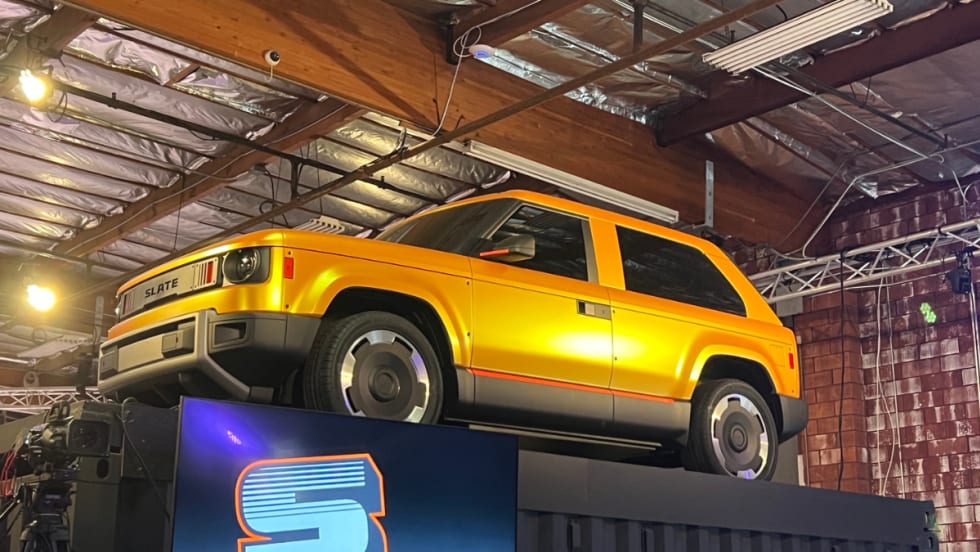
Slate Electric SUV, Pickup Switchable Model Aims For Light-Duty Fleets
Everything about this EV is counterintuitive and understated, making it stand out from the crowd.
Read More →
Inspiration Mobility Acquires Key Electrada Assets
Inspiration Mobility Group has acquired select assets of Electrada, adding the fleet electrification provider's team, technology, and charging infrastructure development capabilities to its energy management business.
Read More →
Turning Connected Vehicle Data Into Decisions That Matter
Fleet leaders have more data than ever, but turning that data into clear, actionable decisions remains a challenge. This white paper shows how leading organizations are using connected vehicle data to improve safety, reduce costs, and optimize fleet performance. Learn how to turn insight into action across your fleet.
Read More →