




NASA, Science Academy to Probe Unintended Acceleration
WASHINGTON - NASA and the National Academy of Sciences are joining the U.S. government's efforts to investigate the root causes of the unintended acceleration issues that have prompted Toyota's major vehicle recalls.
WASHINGTON - NASA and the National Academy of Sciences are joining the U.S. government's efforts to investigate the root causes of the unintended acceleration issues that have prompted Toyota's major vehicle recalls.
The National Academy of Sciences -- an independent body using scientific experts -- will examine the broad subject of unintended acceleration and electronic vehicle controls across the entire automotive industry. Separately, the National Highway Traffic Safety Administration, which is the Department of Transportation's auto safety agency, has enlisted NASA engineers with expertise in areas such as computer-controlled electronic systems, electromagnetic interference and software integrity to investigate the issue of unintended vehicle acceleration in Toyotas.
"We are determined to get to the bottom of unintended acceleration," said Transportation Secretary Ray LaHood. "For the safety of the American driving public, we must do everything possible to understand what is happening. And that is why we are tapping the best minds around."
LaHood has also asked the U.S. Department of Transportation inspector general to review whether NHTSA's Office of Defect Investigation has the necessary resources and systems to identify and address safety defects as it moves forward.
In a released statement, Toyota said it was "confident in our vehicles and in our electronics" and would cooperate with the review efforts.
"These studies are just the kind of science-based examination we have been calling for," Toyota said. "Bringing some sunshine to this subject is bound to separate fact from fiction, which is good for Toyota, the industry and the motoring public."
[PAGEBREAK]
The National Academy of Sciences' National Research Council will examine the broad subject of unintended acceleration and electronic vehicle controls across the entire industry over the course of 15 months. This will not be limited to Toyota, but will cover all manufacturers. A panel of experts will review industry and government efforts to identify possible sources of unintended acceleration, including electronic vehicle controls, human error, mechanical failure and interference with accelerator systems.
The experts will look at software, computer hardware design, electromagnetic compatibility and electromagnetic interference. The panel will make recommendations to NHTSA on how its rulemaking, research and defect investigation activities may help ensure the safety of electronic control systems in motor vehicles, NHTSA said.
The NHTSA review of the electronic throttle control systems in Toyotas is to be completed by late summer. NHTSA has brought in NASA engineers and other experts in subjects such as electromagnetic compatibility as part of a shorter-term review of the systems used in Toyota vehicles to determine whether they contain any possible flaws that would warrant a defect investigation.
"NASA's expertise in electronics, hardware, software, hazard analysis and complex problem solving ensures this review will be comprehensive," NHTSA said. "Currently there are nine experts from NASA assisting NHTSA, and additional personnel will join the team if needed."
Both studies -- from the National Academy of Sciences and from NHTSA -- will be peer reviewed by scientific experts. The total cost of the two studies is expected to come to approximately $3 million, including the cost of purchasing cars that have allegedly experienced unintended acceleration to be studied.
LaHood also asked the U.S. Department of Transportation inspector general to assess whether the NHTSA Office of Defects Investigation conducted an adequate review of complaints of alleged unintended acceleration reported to NHTSA from 2002 to the present. The IG will determine whether ODI had the appropriate number of personnel and staff expertise to assess and address the technical issues raised by the complaints and whether the data was sufficient to identify specific defects that caused unintended acceleration. That information will help Department of Transportation officials determine whether more resources are necessary for pursuing defect investigations.
"We are bringing the best minds and talents to resolve this issue," said NHTSA Administrator David Strickland. "We will not rest until we have identified and addressed any potential vehicle-related causes of unintended acceleration."
More Safety

Nexar-Nauto Merger Aims to Give Fleets Better Safety Intelligence Through Larger Driving Dataset
Stefan Heck tells Automotive Fleet that combining more than 10 billion miles of driving history with Nexar's AI models will give fleets deeper insights into driver risk and roadway conditions than either company could provide independently.
Read More →
Don't Wait for a Crisis: 5 Ways to Build Mental Health Into Your Fleet Safety Program
For Suicide Prevention Month, fleet and safety leaders have an opportunity to put mental health where it belongs: at the center of workplace safety.
Read More →
How Camera Data Can Strengthen a Fleet’s Insurance Renewal
Insights from a commercial insurance carrier and a broker show how fleets can turn video telematic data, driver coaching, and improved claims results into a stronger case at insurance renewal.
Read More →
The Safest Fleets Aren’t the Ones with the Most Technology
You’ve made the telematics investment. Here’s how to capture the other half of its value and build the safest fleet on the road.
Read More →
Hidden in Plain Sight: Fleet Compliance Risks
Fleet compliance isn't just about having policies — it's about consistently enforcing them. This practical guide reveals six hidden compliance risks common in public sector and shared fleet operations and outlines proven strategies to improve visibility, accountability, and audit readiness
Read More →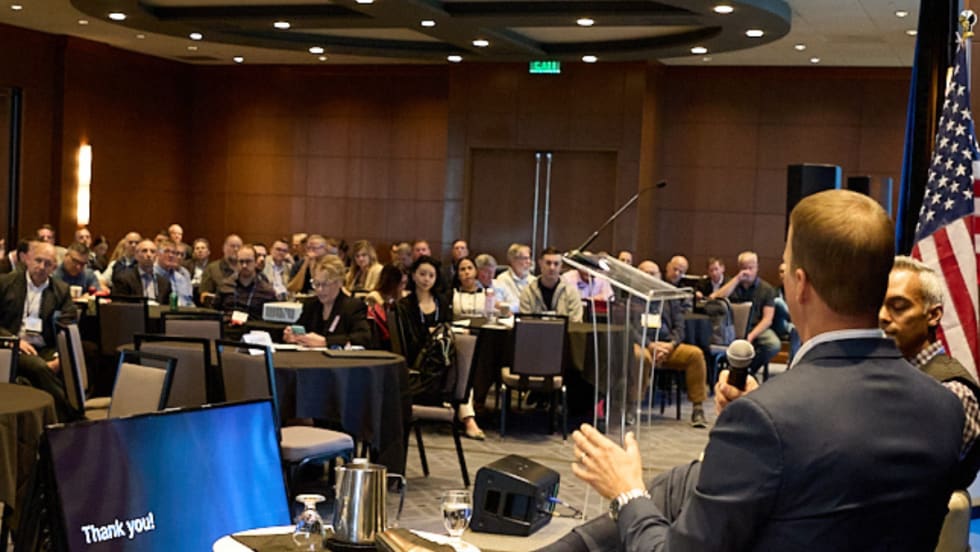
NETS Sets 2026 Fleet Safety Benchmark Conference for Indianapolis
The Sept. 15–17 program will feature fleet benchmarking data, case studies, emerging technologies, and implementation strategies while running alongside the NSC Safety Congress & Expo.
Read More →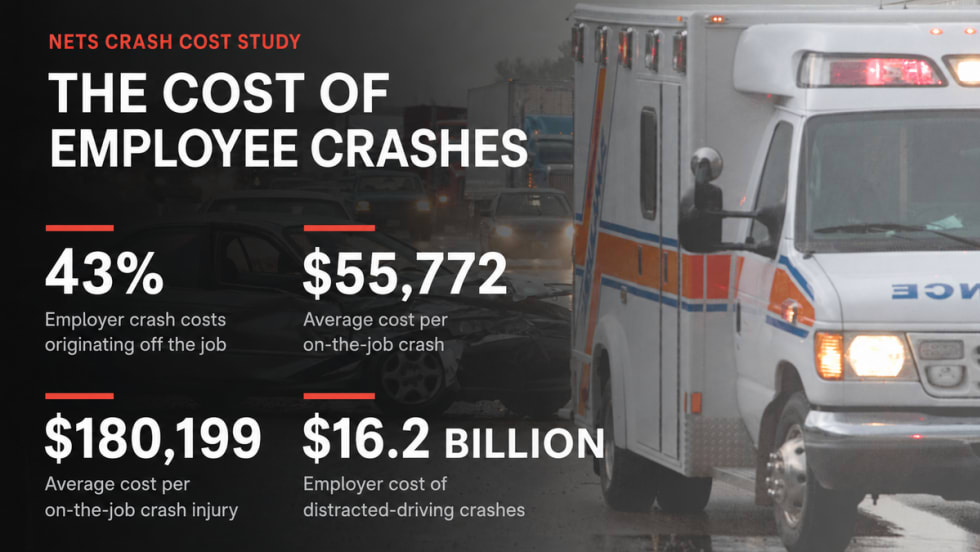
Off-the-Job Crashes Account for 43% of Employers’ $61.7 Billion Crash Burden
NETS quantifies costs dispersed across fleet, risk, HR, and other departments while providing new per-crash benchmarks for employers.
Read More →
Ram Recalls More Than 1.27 Million 1500 Pickups for Seat Belt Anchor Issue
The recall affects certain 2019-2026 Ram 1500 pickups that may have improperly attached second-row seat belt buckle anchors.
Read More →
How Better Visibility Cut Speeding Violations by 48%
Fleet leaders don't need more data, they need clearer visibility into what the data is saying. This case study explores how one utility replaced speeding-event counts with a single metric — miles driven in violation — to strengthen safety and significantly reduce speeding violations.
Read More →
Operation Safe Driver Week: Why the Industry's Oldest Safety Campaign Still Matters to Fleets
A look at how a 2007 enforcement initiative became one of the most consequential weeks on the fleet safety calendar, and what it means for your drivers in 2026.
Read More →