




More Than $26 Million in Clean Transportation Funding Available
DIAMOND BAR, CA – The Mobile Source Air Pollution Reduction Review Committee’s (MSRC) 2011-2012 Work Program has more than $26 million in funding available for four program categories and more than a dozen eligible projects designed to reduce harmful emissions from mobile sources.
DIAMOND BAR, CA – The Mobile Source Air Pollution Reduction Review Committee’s (MSRC) 2011-2012 Work Program has more than $26 million in funding available for four program categories and more than a dozen eligible projects designed to reduce harmful emissions from mobile sources.
“This year’s Work Program offers the largest amount of funding for clean air projects in recent memory,” explained Greg Winterbottom, chair of the MSRC. “We hope that the variety of projects will encourage all eligible applicants to apply for funding to help make their clean air projects a reality.”
The Infrastructure Program is offering $4.8 million in funding for CNG fueling stations and facility modifications. Two new opportunities are available under this program – an incentive of up to 50 percent of maintenance facility modification costs, not to exceed $75,000, and a $100,000 station funding bonus for facilities where more than 50 percent of the natural gas comes from renewable sources. Another new program element is that funding will be available for Phill CNG home refueling units.
The $6.5 million Local Government Match Program provides a “dollar-for-dollar” match to local agencies using their AB 2766 funds for projects such as new alternative fuel stations, upgrades and expansion of existing stations, existing maintenance facility upgrades, mobile hydrogen refueling, public electric vehicle charging stations, and heavy- and medium-duty alternative fuel vehicles.
The Transportation Control Measures Program has $5.5 million in funding for projects aimed at curbing single-occupancy vehicle use in order to cut down on traffic congestion and reduce emissions. These projects include event center transportation services for large venues not sufficiently served by public transportation, research on multi-mobility hubs to develop transportation services to-and-from these hubs, a regional bikeshare program that will provide assistance to bikesharing ventures to purchase bicycles and supporting infrastructure, and incentives and public awareness campaigns for ridesharing.
The fourth program category is the $9.5 million Vehicle and Advanced Technology Program for vehicle retrofits, replacements, and technology demonstration. Funding is available to replace medium-duty vehicles, as well as to purchase new CNG taxi cabs. Other eligible projects include on-road heavy-duty vehicle replacement and repowers, the purchase of new CNG school buses and repowers for older CNG school buses to extend the lives of these vehicles, and a demonstration of the Cummins 11.9L advanced natural gas engine. The “Showcase III” program also falls under this program category, which provides funding to retrofit off-road heavy duty vehicles to demonstrate new technology to clean up dirty diesel construction equipment.
Program solicitations are available now on the MSRC's website at www.CleanTransportationFunding.org.
The MSRC allocates Clean Transportation Funding from a $4 surcharge on vehicle license fees, specifically to be used for local projects designed to reduce air pollution from mobile sources such as cars, trucks and buses. Thirty cents of every surcharge dollar goes into the MSRC fund. More than $290 million has been distributed for air pollution-reduction programs since the MSRC was established in 1990. Clean Transportation Funding is heavily leveraged with investments from government agencies, as well as private sources, with billions of additional dollars contributed to projects throughout the region.
Membership of the MSRC is made up of representatives from the transportation agencies of Los Angeles, Orange, Riverside, and San Bernardino Counties as well as the Southern California Association of Governments, a designated regional rideshare agency, the California Air Resources Board, and the South Coast Air Quality Management District.
More Green Fleet
EV Charging Use Is Outpacing Infrastructure Growth
ChargePoint’s 2026 Charging Forward Report points to rising charger use, higher-powered charging, commercial vehicle electrification, and energy-management technology. Here’s what fleets should know.
Read More →
Merchants Fleet Reports 290M EV Miles as Fleets Navigate Changing Electrification Market
From millions in operating savings to hundreds of millions of EV miles, Merchants Fleet’s latest report reveals what’s working and what’s changing in fleet electrification.
Read More →
The EV Breakdown Nobody's Talking About: Why Most Electric Vehicle Roadside Calls Aren't Mechanical Failures
Here's why EV breakdowns are widely misunderstood.
Read More →
ChargePoint Now Available in Energy Pass
ChargePoint and additional planned charging network integrations were added to GM's Energy Pass.
Read More →

First Look: Slate Auto's Electric Fleet Pickup
Could an affordable, modular EV pickup make electrification more practical for fleets?
Read More →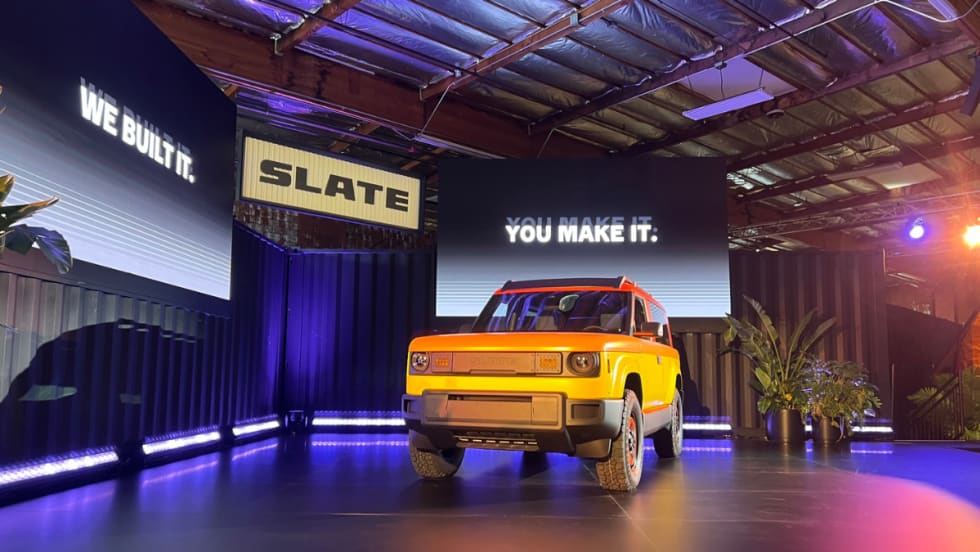
Slate Debuts Colorful, Unique EV Models
A recent media and client event, studded with electric vehicles dressed up on platforms, planted a new position for the manufacturer in the wider EV market. Fleets will find cost-saving advantages.
Read More →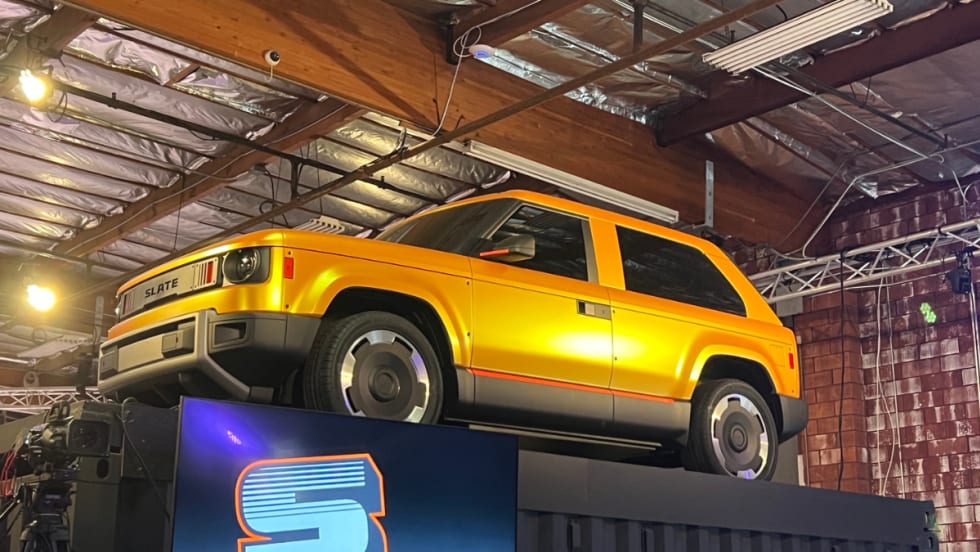
Slate Electric SUV, Pickup Switchable Model Aims For Light-Duty Fleets
Everything about this EV is counterintuitive and understated, making it stand out from the crowd.
Read More →
Inspiration Mobility Acquires Key Electrada Assets
Inspiration Mobility Group has acquired select assets of Electrada, adding the fleet electrification provider's team, technology, and charging infrastructure development capabilities to its energy management business.
Read More →
Turning Connected Vehicle Data Into Decisions That Matter
Fleet leaders have more data than ever, but turning that data into clear, actionable decisions remains a challenge. This white paper shows how leading organizations are using connected vehicle data to improve safety, reduce costs, and optimize fleet performance. Learn how to turn insight into action across your fleet.
Read More →