




More Calif. Drivers Using Cell Phones, Study Finds
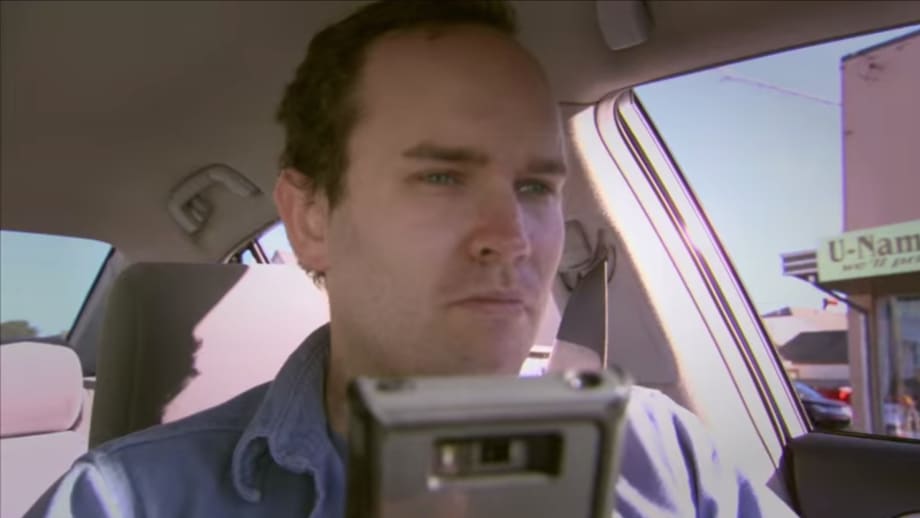
Observational research shows a 39-percent increase in California motorists using a cell phone while driving, compared to last year.
Screen shot courtesy of Caltrans via YouTube.
Screen shot courtesy of Caltrans via YouTube.
A newly released study indicates a 39-percent increase in California motorists using a cell phone while driving, compared to last year's research numbers.
The California Office of Traffic Safety (OTS) and the California Highway Patrol (CHP) released the study on July 14.
OTS and the University of California, Berkeley Safe Transportation Research and Education Center conducted the research, observing and tracking the motorist behavior. This year, 9.2 percent of drivers were spotted using a cell phone while driving, up from 6.6 percent of drivers in 2014. The highest level recorded since research began was 10.8 percent of motorists using a cell phone in 2012.
“It’s shocking that nearly 10 percent of motorists were observed using their cell phones while driving a motor vehicle, a potentially lethal combination,” said OTS Director Ronda Craft. “We will continue our aggressive public outreach campaign and our partnership with law enforcement to educate the public about the dangers of those who drive distracted and put the lives of others at risk.”
To access the full report, click here.
During April’s Distracted Driving Awareness Month, approximately 250 law enforcement agencies across California ticketed more than 46,000 drivers using a cell phone while driving. That number is roughly double the number of tickets issued during the average month. Although there were fewer citations for handheld talking on cell phones, law enforcement wrote 35 percent more tickets for texting-while-driving compared to 2014.
“Discouraging drivers from operating a vehicle while distracted is a challenge that law enforcement is faced with year-round,” said CHP Commissioner Joe Farrow. “By raising awareness through education and enforcement, we are working toward changing the dangerous behavior of using a cell phone while driving – and the purpose is to save lives.”
According to the National Highway Traffic Safety Administration, 80 percent of vehicle crashes involve some sort of driver inattention and approximately 3,000 people were killed nationwide last year in collisions involving a distracted driver. Texting takes a driver’s eyes off the road for an average of five seconds – enough time to travel the length of a football field, essentially driving blindfolded for 120 yards.
A public awareness campaign, “Silence the Distraction,” accompanied April’s law enforcement effort. A tour of 11 community college campuses in California spread the message of traffic safety with interactive games, information booths, and student involvement.
OTS also sponsors TV commercials depicting how distracting text messages can make it seem like the car is full of demanding people screaming for a driver’s attention. The state’s Department of Transportation, Caltrans, is also supporting the public outreach efforts with changeable message signs warning about the dangers of texting or talking while driving.
More Safety

Nexar-Nauto Merger Aims to Give Fleets Better Safety Intelligence Through Larger Driving Dataset
Stefan Heck tells Automotive Fleet that combining more than 10 billion miles of driving history with Nexar's AI models will give fleets deeper insights into driver risk and roadway conditions than either company could provide independently.
Read More →
Don't Wait for a Crisis: 5 Ways to Build Mental Health Into Your Fleet Safety Program
For Suicide Prevention Month, fleet and safety leaders have an opportunity to put mental health where it belongs: at the center of workplace safety.
Read More →
How Camera Data Can Strengthen a Fleet’s Insurance Renewal
Insights from a commercial insurance carrier and a broker show how fleets can turn video telematic data, driver coaching, and improved claims results into a stronger case at insurance renewal.
Read More →
The Safest Fleets Aren’t the Ones with the Most Technology
You’ve made the telematics investment. Here’s how to capture the other half of its value and build the safest fleet on the road.
Read More →
Hidden in Plain Sight: Fleet Compliance Risks
Fleet compliance isn't just about having policies — it's about consistently enforcing them. This practical guide reveals six hidden compliance risks common in public sector and shared fleet operations and outlines proven strategies to improve visibility, accountability, and audit readiness
Read More →
NETS Sets 2026 Fleet Safety Benchmark Conference for Indianapolis
The Sept. 15–17 program will feature fleet benchmarking data, case studies, emerging technologies, and implementation strategies while running alongside the NSC Safety Congress & Expo.
Read More →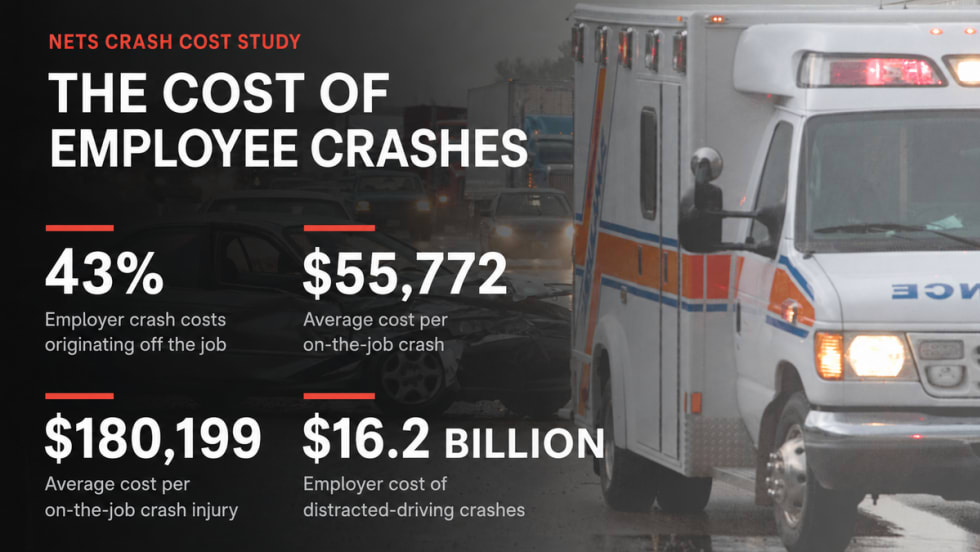
Off-the-Job Crashes Account for 43% of Employers’ $61.7 Billion Crash Burden
NETS quantifies costs dispersed across fleet, risk, HR, and other departments while providing new per-crash benchmarks for employers.
Read More →
Ram Recalls More Than 1.27 Million 1500 Pickups for Seat Belt Anchor Issue
The recall affects certain 2019-2026 Ram 1500 pickups that may have improperly attached second-row seat belt buckle anchors.
Read More →
How Better Visibility Cut Speeding Violations by 48%
Fleet leaders don't need more data, they need clearer visibility into what the data is saying. This case study explores how one utility replaced speeding-event counts with a single metric — miles driven in violation — to strengthen safety and significantly reduce speeding violations.
Read More →
Operation Safe Driver Week: Why the Industry's Oldest Safety Campaign Still Matters to Fleets
A look at how a 2007 enforcement initiative became one of the most consequential weeks on the fleet safety calendar, and what it means for your drivers in 2026.
Read More →