




Modesto, Calif., Leads Nation in Vehicle Thefts
DES PLAINES, Ill. --- The National Insurance Crime Bureau (NICB) reported that the Metropolitan Statistical Area (MSA) in Modesto, Calif., had the highest per capita rate for vehicle thefts in the nation in 2007.
DES PLAINES, Ill. --- The National Insurance Crime Bureau (NICB) reported that the Metropolitan Statistical Area (MSA) in Modesto, Calif., had the highest per capita rate for vehicle thefts in the nation in 2007.
For 2007, the 10 MSAs with the highest vehicle theft rates are:
1. Modesto, Calif. (number 5 in 2006)
2. Las Vegas/Paradise, Nev. (1 in 2006)
3. San Diego/Carlsbad/San Marcos, Calif. (11 in 2006)
4. Stockton, Calif. (2 in 2006)
5. San Francisco/Oakland/Fremont, Calif. (12 in 2006)
6. Laredo, Texas (22 in 2006)
7. Albuquerque, N.M. (13 in 2006)
8. Phoenix/Mesa/Scottsdale, Ariz. (4 in 2006)
9. Yakima, Wash. (9 in 2006)
10. Tucson, Ariz. (10 in 2006)
Each year, NICB analysts review vehicle theft data obtained from the National Crime Information Center (NCIC) for each of the nation's MSAs. MSAs are designated by the Office of Management and Budget (OMB) and often include areas much larger than the cities for which they are named.
For example, the Modesto MSA includes the entire county of Stanislaus and other municipalities in addition to the city of Modesto. The rate is determined by the number of vehicle theft offenses per 100,000 inhabitants using the 2007 U.S. Census Population Estimates, the most current figures available.
Preliminary 2007 crime data released by the FBI in January contain some positive news on the vehicle theft front. Not only is 2007 on track to be the fourth consecutive year of declining vehicle thefts, but if the preliminary figure of -7.4 percent holds, it will be the largest single-year percent drop in thefts since 1999 and it will contribute to the overall 11 percent reduction in vehicle thefts, nationally, since 2000.
However, the good news is no reason for vehicle owners or law enforcement to relax their vigilance.
"While there is overall great news in our new report, there is also room for concern," said NICB President and CEO Robert M. Bryant. "Success against vehicle theft can be fleeting without an ongoing and adaptive program that couples the best in theft prevention/recovery technology with law enforcement operations. We must not become complacent in the wake of success.
"Bait cars, license plate readers and owner-applied theft deterrence and recovery systems have delivered outstanding results. In the coming years, technological advances may well defeat vehicle theft as a major crime problem in the United States, but until then we must continue using everything at our disposal to keep achieving the kinds of results that we have had over the last four years," Bryant said.
NICB recommends the following actions:
Common sense -- An unlocked vehicle with a key in the ignition is an open invitation to any thief, regardless of which anti-theft device you use. The common sense approach to protection is the simplest and most cost-effective way to thwart would-be thieves. Secure your vehicle even if parking for brief periods. You should always:
-- Remove your keys from the ignition
-- Lock your doors /close your windows
-- Park in a well-lit area.
Warning Device -- The second layer of protection is a visible or audible device that alerts thieves that your vehicle is protected. Popular devices include:
-- Audible alarms
-- Steering column collars
-- Steering wheel/brake pedal lock
-- Brake locks
-- Wheel locks
-- Tire locks/tire deflators
-- Theft deterrent decals
-- Identification markers in or on vehicle
-- VIN etching
-- Micro dot marking.
Immobilizing Device -- The third layer of protection is a device that prevents thieves from bypassing your ignition and hot-wiring the vehicle. Some electronic devices have computer chips in ignition keys. Other devices inhibit the flow of electricity or fuel to the engine until a hidden switch or button is activated. Popular third layer devices include:
-- Smart keys
-- Fuse cut-offs
-- Kill switches
-- Starter, ignition, and fuel pump disablers
-- Wireless ignition authentication.
Tracking device -- The final layer of protection is a tracking device which emits a signal to police or a monitoring station when the vehicle is stolen. Tracking devices are very effective in helping authorities recover stolen vehicles. Some systems employ "telematics" which combine GPS and wireless technologies to allow remote monitoring of a vehicle. If the vehicle is moved the system will alert the owner and the vehicle can be tracked via computer.
The National Insurance Crime Bureau is a not-for-profit organization dedicated to preventing, detecting and defeating insurance fraud and vehicle theft through information analysis, investigations, training and public awareness.
More Safety

Nexar-Nauto Merger Aims to Give Fleets Better Safety Intelligence Through Larger Driving Dataset
Stefan Heck tells Automotive Fleet that combining more than 10 billion miles of driving history with Nexar's AI models will give fleets deeper insights into driver risk and roadway conditions than either company could provide independently.
Read More →
Don't Wait for a Crisis: 5 Ways to Build Mental Health Into Your Fleet Safety Program
For Suicide Prevention Month, fleet and safety leaders have an opportunity to put mental health where it belongs: at the center of workplace safety.
Read More →
How Camera Data Can Strengthen a Fleet’s Insurance Renewal
Insights from a commercial insurance carrier and a broker show how fleets can turn video telematic data, driver coaching, and improved claims results into a stronger case at insurance renewal.
Read More →
The Safest Fleets Aren’t the Ones with the Most Technology
You’ve made the telematics investment. Here’s how to capture the other half of its value and build the safest fleet on the road.
Read More →
Hidden in Plain Sight: Fleet Compliance Risks
Fleet compliance isn't just about having policies — it's about consistently enforcing them. This practical guide reveals six hidden compliance risks common in public sector and shared fleet operations and outlines proven strategies to improve visibility, accountability, and audit readiness
Read More →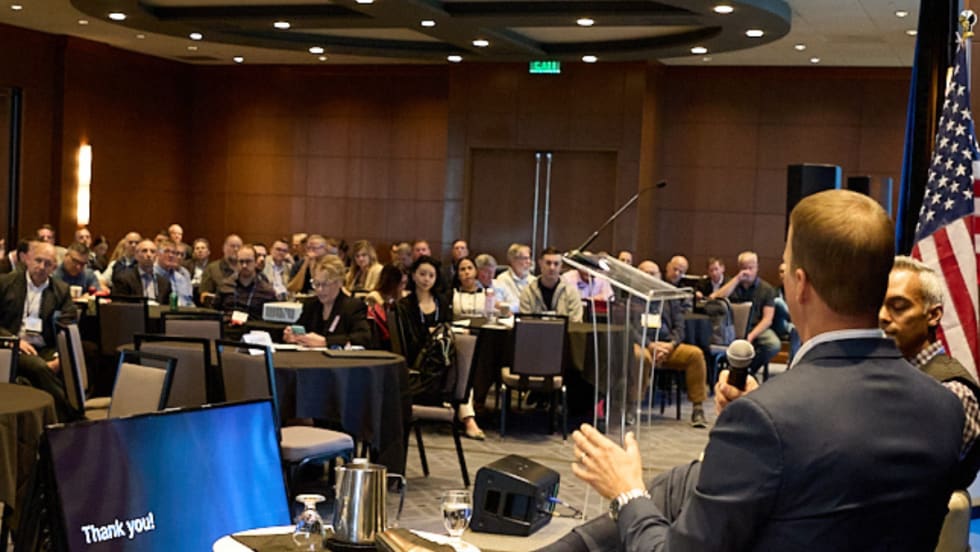
NETS Sets 2026 Fleet Safety Benchmark Conference for Indianapolis
The Sept. 15–17 program will feature fleet benchmarking data, case studies, emerging technologies, and implementation strategies while running alongside the NSC Safety Congress & Expo.
Read More →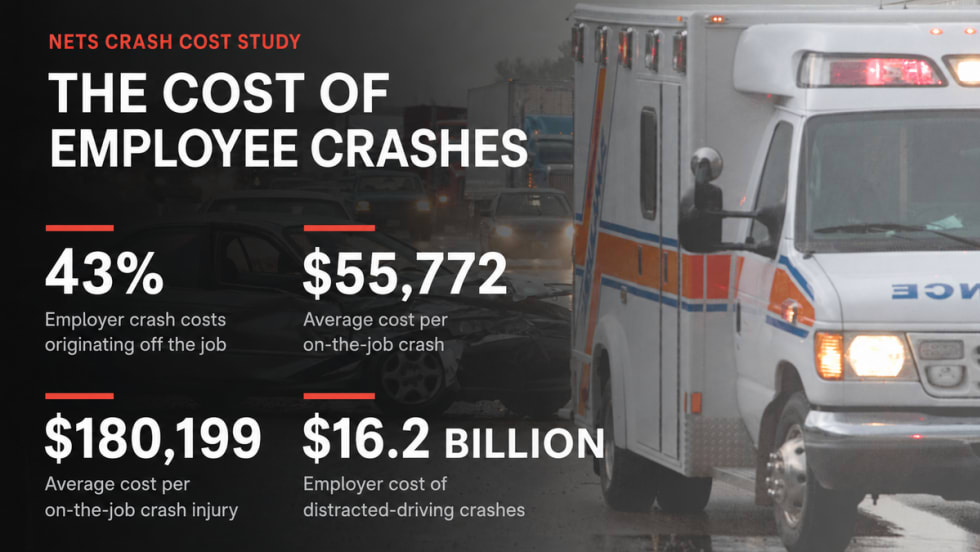
Off-the-Job Crashes Account for 43% of Employers’ $61.7 Billion Crash Burden
NETS quantifies costs dispersed across fleet, risk, HR, and other departments while providing new per-crash benchmarks for employers.
Read More →
Ram Recalls More Than 1.27 Million 1500 Pickups for Seat Belt Anchor Issue
The recall affects certain 2019-2026 Ram 1500 pickups that may have improperly attached second-row seat belt buckle anchors.
Read More →
How Better Visibility Cut Speeding Violations by 48%
Fleet leaders don't need more data, they need clearer visibility into what the data is saying. This case study explores how one utility replaced speeding-event counts with a single metric — miles driven in violation — to strengthen safety and significantly reduce speeding violations.
Read More →
Operation Safe Driver Week: Why the Industry's Oldest Safety Campaign Still Matters to Fleets
A look at how a 2007 enforcement initiative became one of the most consequential weeks on the fleet safety calendar, and what it means for your drivers in 2026.
Read More →