




Mobility Services to Slow Sedan Sales 40% by 2030
Self-driving cars, ride sharing, and other mobility services should slash sales of sedans by nearly 40% by 2030, as Americans become less reliant on vehicle ownership, according to a forecast from KPMG.
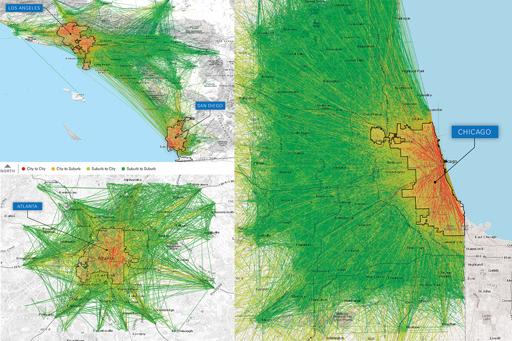
Graphic of "islands of autonomy" courtesy of KPMG.
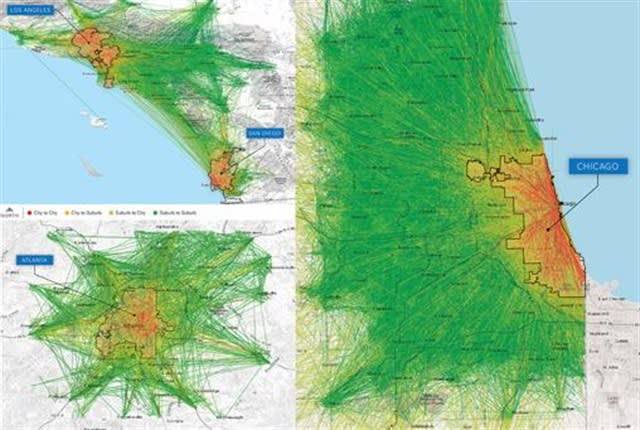
Graphic of "islands of autonomy" courtesy of KPMG.
Self-driving cars, ride sharing, and other mobility services should slash sales of sedans by nearly 40% by 2030, as Americans become less reliant on vehicle ownership, according to a forecast from KPMG.
Sedan sales are expected to fall to 2.1 million units by 2030, a 38% decline from the 5.4 million level of sales today, the firm predicted.
Autonomous mobility services will transform the nation's transportation market from a national to regional one with 169 "islands of autonomy" — urban areas with their own transportation and consumer travel needs.
"Across the world, a $1 trillion market is swiftly developing around a new and disruptive transportation mode: driverless vehicles coupled with mobility services," said Gary Silberg, KPMG's automotive sector leader. "However, the adoption of this new transportation mode will not be immediate, and it will not be everywhere. Instead, it will arrive in what we call 'islands of autonomy.' Each island will need a unique mix of vehicles to meet unique demands, which will greatly impact the breakdown of the car park, especially sedans."
The firm predicts the "demise of the personally owned sedan" will cause several automakers to cease production of vehicles in the segment.
"Several OEMs will likely close plants and exit the segment entirely," said Tom Mayor, KPMG's strategy leader for industrial manufacturing. "At these volumes, we would expect the current 10 OEMs serving the U.S. market with more than 800,000 sedans per year to contract to only three or four."
To be profitable in this market, vehicle manufacturers will need to develop a "trip-by-trip understanding of consumer needs in each island, aggregating across the islands to find scale and then developing new classes of vehicles specifically designed to optimally meet the varied trip-level needs of consumers who will hail for most trips rather than own or lease," Mayor said.
More Operations
Here's When You Should Make an Exception to Fleet Policy
Fleet policies are designed to create consistency, but not every driver or situation fits neatly within standard rules.
Read More →
AI-Native or AI-Acquired: What Should Fleet Managers Look for in an AI Platform?
Six questions can help fleet managers look beyond AI marketing claims to evaluate integration, data access, and real-world operational performance.
Read More →
A buyer's guide to fleet management software in 2027
Buying fleet management software in 2027 means looking beyond features and price. As fleet operations, technology and expectations evolve, this guide explores what today’s fleet professionals should consider when choosing a system that can deliver value now and adapt to what comes next.
Read More →

What Will Shape the Next Era of Fleet Management?
EVs, AI, and autonomous vehicles are reshaping fleet management. Discover what’s ahead—and how fleet leaders can prepare for the next era.
Read More →
How Fleets Can Recruit and Train Veterans for Technician Roles
Here's how the technician shortage has affected uptime for fleets, and what to do about it.
Read More →
Avis Budget Group Deploys Neology Toll Management Technology Across Major Brands
Neology’s neoFleet platform will manage toll transactions and toll-authority operations for vehicles across Avis, Budget, Payless, Budget Truck and Zipcar.
Read More →
Fleet Personal-Use Charges Edge Higher in 2026
Nearly eight in 10 surveyed fleets allow personal use of company vehicles, while just over half of respondents report charging employees for the privilege.
Read More →
The Future of Fleet + What’s Changing Right Now | AF News Recap
Could developments overseas offer a preview of what’s coming for U.S. fleets? This week, we’re looking at the future of AI, autonomy, and electrification, plus Ford Pro’s new certified pre-owned program, smarter vehicle offboarding, and a new way for fleets to manage toll expenses.
Read More →
How to Handle Vehicle Offboarding
What do fleet managers need to do when a driver leaves?
Read More →
Fleet Manager’s Ultimate Playbook: Navigating the New Standard in OEM Connectivity
Rising operating costs, driver safety concerns, and unplanned downtime are putting unprecedented pressure on modern fleets. Discover how fleet managers use embedded OEM connectivity and real-time vehicle data to cut TCO, prevent downtime, and protect drivers without aftermarket telematics hardware.
Read More →