




Mississippi State University Receives $1 Million Clean Diesel Grant
ATLANTA - The U.S. Environmental Protection Agency, Region 4, presented the Mississippi State University Center for Advanced Vehicular Systems with a $1,083,595 grant award to help reduce diesel emissions associated with freight movement throughout the southeast.
ATLANTA- The U.S. Environmental Protection Agency, Region 4, presented the Mississippi State University Center for Advanced Vehicular Systems with a $1,083,595 grant award to help reduce diesel emissions associated with freight movement throughout the southeast as part of its ongoing efforts in the National Clean Diesel Campaign and the Southeast Diesel Collaborative.
This project will help reduce diesel emissions by retrofitting a total of 101 long-haul trucks with Battery Operated Air Conditioning Units (BACs) to eliminate the need for idling when trucks are stopped for required rest periods or for loading and unloading. This effort will help reduce emissions of carbon dioxide, particulate matter, and nitrogen oxides — a precursor to ozone.
"EPA is proud to recognize the actions of the Mississippi State University for its efforts to improve air quality and protect public health," said Carol Kemker, Acting Division Director for the Air, Pesticides, and Toxics Management Division of EPA Region 4 in Atlanta. "Emissions from diesel engines are a serious public health threat and environmental challenge, and reducing diesel emissions is a priority for EPA."
This clean diesel project is expected to save 144,502 gallons of diesel fuel, which will reduce carbon dioxide emissions by 1,608 tons annually. In addition, the use of the BACs will result in annual reductions of 28.67 tons of nitrogen oxides and 0.78 tons of particulate matter.
Mississippi State University's partners in this project, two private companies operating large fleets in Mississippi, will install BACs on a percentage of their fleets. Additional retrofits will be offered to independent truck owners located in Mississippi. These fleets operate throughout the U.S., and EPA expects this program to benefit many communities throughout the southeast and around the country as these fleets travel.
EPA has a plan to significantly reduce pollution from diesel engines through its National Clean Diesel Campaign. This plan combines regulatory measures with voluntary initiatives, like the Southeast Diesel Collaborative ( SEDC ) in EPA Region 4, to reduce the pollution emitted from diesel engines across the country. The SEDC is a partnership composed of leaders from federal, state and local government, the private sector and other stakeholders in Alabama, Florida, Georgia, Kentucky, Mississippi, North Carolina, South Carolina and Tennessee. The goal of the collaborative is to improve air quality and public health by reducing emissions from existing diesel engines.
More Green Fleet
EV Charging Use Is Outpacing Infrastructure Growth
ChargePoint’s 2026 Charging Forward Report points to rising charger use, higher-powered charging, commercial vehicle electrification, and energy-management technology. Here’s what fleets should know.
Read More →
Merchants Fleet Reports 290M EV Miles as Fleets Navigate Changing Electrification Market
From millions in operating savings to hundreds of millions of EV miles, Merchants Fleet’s latest report reveals what’s working and what’s changing in fleet electrification.
Read More →
The EV Breakdown Nobody's Talking About: Why Most Electric Vehicle Roadside Calls Aren't Mechanical Failures
Here's why EV breakdowns are widely misunderstood.
Read More →
ChargePoint Now Available in Energy Pass
ChargePoint and additional planned charging network integrations were added to GM's Energy Pass.
Read More →

First Look: Slate Auto's Electric Fleet Pickup
Could an affordable, modular EV pickup make electrification more practical for fleets?
Read More →
Slate Debuts Colorful, Unique EV Models
A recent media and client event, studded with electric vehicles dressed up on platforms, planted a new position for the manufacturer in the wider EV market. Fleets will find cost-saving advantages.
Read More →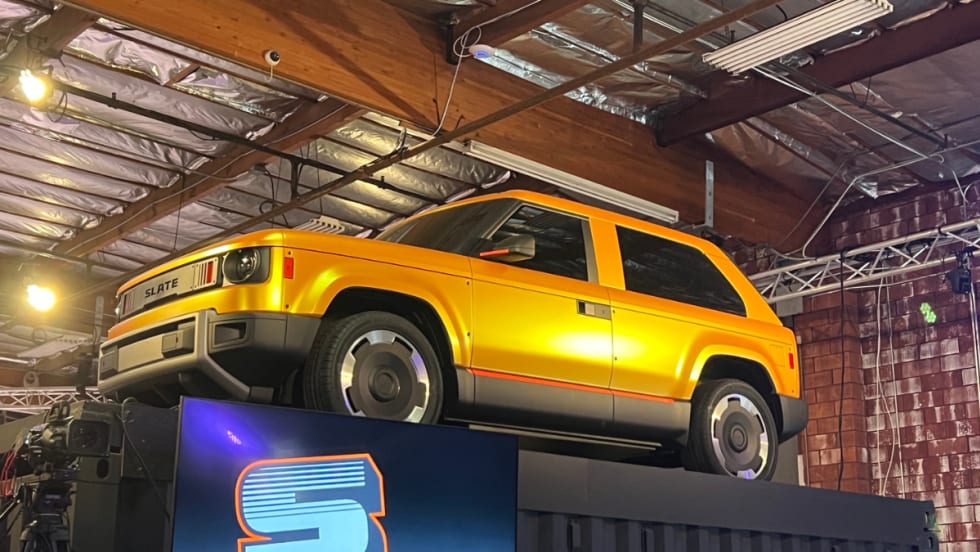
Slate Electric SUV, Pickup Switchable Model Aims For Light-Duty Fleets
Everything about this EV is counterintuitive and understated, making it stand out from the crowd.
Read More →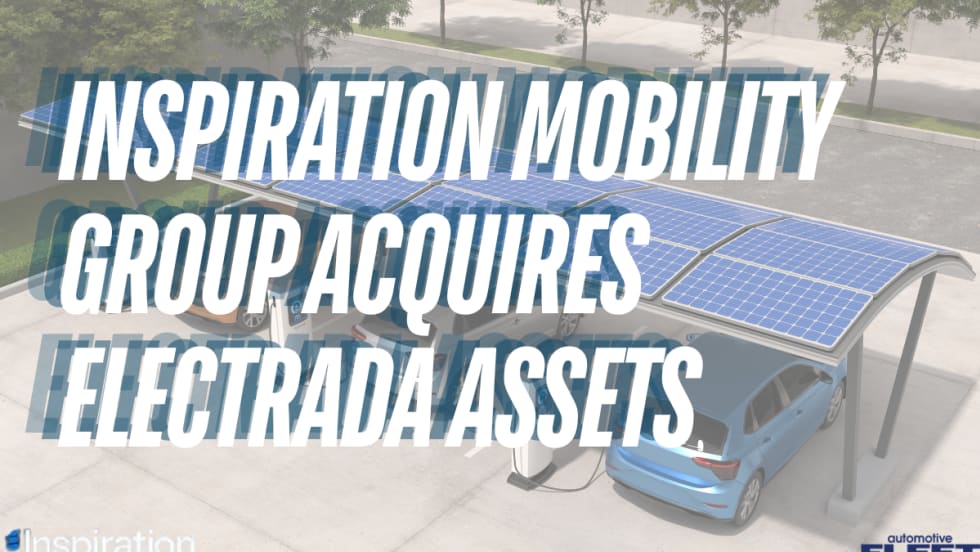
Inspiration Mobility Acquires Key Electrada Assets
Inspiration Mobility Group has acquired select assets of Electrada, adding the fleet electrification provider's team, technology, and charging infrastructure development capabilities to its energy management business.
Read More →
Turning Connected Vehicle Data Into Decisions That Matter
Fleet leaders have more data than ever, but turning that data into clear, actionable decisions remains a challenge. This white paper shows how leading organizations are using connected vehicle data to improve safety, reduce costs, and optimize fleet performance. Learn how to turn insight into action across your fleet.
Read More →