




Minor Vehicle Modifications Bolster Safety of Older Drivers
New research from AAA, however, indicates that most seniors fail to take advantage of such features as pedal extensions and steering wheel covers.
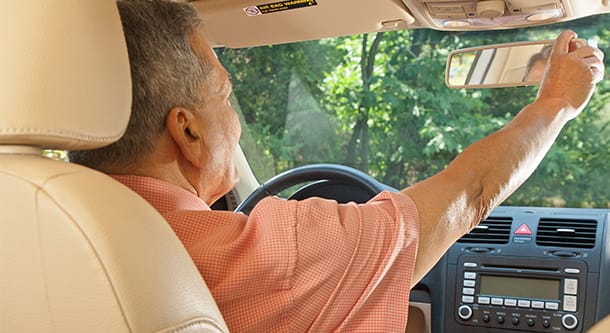
Photo courtesy of AAA.
Photo courtesy of AAA.
As drivers age, simple vehicle adaptations such as pedal extensions, seat cushions and steering wheel covers can often make driving physically easier and reduce crash risk. But nearly 90% of senior drivers fail to take advantage of these inexpensive options, according to new research from the AAA Foundation for Traffic Safety.
AAA is urging seniors to consider making such modifications, especially since drivers 65 years and older are more than twice as likely as younger drivers to be killed when involved in a crash.
“While many seniors are considered to be safe drivers, they are also the most vulnerable,” said Dr. David Yang, executive director of the AAA Foundation for Traffic Safety. “Our research suggests that most senior drivers are not taking advantage of simple and inexpensive features like steering wheel covers that can greatly improve their safety and the safety of others on the road.”
The research represents the first phase in the AAA Foundation’s Longitudinal Research on Aging Drivers (LongROAD) project. Researchers are creating a major senior driver database in hopes of better understanding the risks and transportation needs of the country’s aging population.
For this phase of the study, researchers investigated 12 vehicle adaptations and found that fewer than 9% of senior drivers reported using any of these devices in their vehicles. Some of the inexpensive devices that can be purchased and put to use in new or existing vehicles are:
Vehicle Devices | Potential Safety Impact |
Cushions and seat pads | Improve line of sight and can help alleviate back or hip pain |
Convex/multifaceted mirrors | Improve visibility and minimize blind spots |
Pedal extensions | Help drivers obtain a safe distance from the steering wheel/air bag and optimize visibility |
Steering wheel covers | Improve grip for drivers with arthritic hand joints |
Hand Controls | Allow drivers to perform all vehicle maneuvers and functions without the use of lower extremities. |
Source: AAA
Choosing the right features and working with a trained technician is imperative to safety behind the wheel, according to AAA. Of those drivers who have a device, almost 90% reported that they did not work with a trained professional to install the modification. Both the National Highway Traffic Safety Administration (NHTSA) and the American Occupational Therapy Association (AOTA) recommend that a trained professional oversee such modifications.
AAA also recommends that drivers consult with a trained technician to guide them in making adjustments to their vehicle.
“When an ache or pain begins hindering driving ability, many older drivers are able to continue driving safely after making a few adjustments,” said Elin Schold Davis, project coordinator of the American Occupational Therapy Association’s older driver initiative. “Occupational therapy practitioners trained in driving rehabilitation are especially valuable in connecting the dots between medical challenges that can affect driving and the appropriate equipment and adaptations needed to remain safely independent in the vehicle.”
Vehicle adaptions also benefit seniors’ mental health by extending their time as an active driver. Previous research from the AAA Foundation for Traffic Safety shows that seniors who have stopped driving are almost two times more likely to suffer from depression and nearly five times more likely to enter a long-term care facility than those who remain behind the wheel.
In the LongROAD study, more than 70% of senior drivers had experienced health conditions that impact muscles and bones, such as arthritis, hip/knee replacement and joint pains. Some seniors in the study reduced their driving because of these conditions. The installation of certain devices such as steering wheel covers can help lessen the impact of arthritis. Additionally, larger mirrors and assistive devices on seats can help with limited neck mobility.
“It’s surprising that more seniors are not utilizing simple and inexpensive vehicle adaptations when you consider the large number who are dealing with muscle and joint conditions,” said Jake Nelson, AAA director of traffic safety and advocacy. “Knowledge is power when it comes to extending time behind the wheel, and AAA is committed to providing seniors with the information they need to make sound decisions.”
AAA is promoting the report in partnership with the American Occupational Therapy Association (AOTA) to support Older Driver Safety Awareness Week. AAA and AOTA worked in collaboration with the American Society on Aging and AARP to develop CarFit to help senior drivers take full advantage of the features and technologies in their vehicles. The community-based program allows trained professionals to conduct a 12-point check of a senior’s personal vehicle and make recommendations for needed adjustments or adaptations. Older drivers can sign up for an event online.
AAA also offers the Smart Features for Older Drivers tool, which can help senior drivers identify inexpensive devices and vehicle features that optimize their comfort and safety.
More Safety

How Camera Data Can Strengthen a Fleet’s Insurance Renewal
Insights from a commercial insurance carrier and a broker show how fleets can turn video telematic data, driver coaching, and improved claims results into a stronger case at insurance renewal.
Read More →
The Safest Fleets Aren’t the Ones with the Most Technology
You’ve made the telematics investment. Here’s how to capture the other half of its value and build the safest fleet on the road.
Read More →
Hidden in Plain Sight: Fleet Compliance Risks
Fleet compliance isn't just about having policies — it's about consistently enforcing them. This practical guide reveals six hidden compliance risks common in public sector and shared fleet operations and outlines proven strategies to improve visibility, accountability, and audit readiness
Read More →

NETS Sets 2026 Fleet Safety Benchmark Conference for Indianapolis
The Sept. 15–17 program will feature fleet benchmarking data, case studies, emerging technologies, and implementation strategies while running alongside the NSC Safety Congress & Expo.
Read More →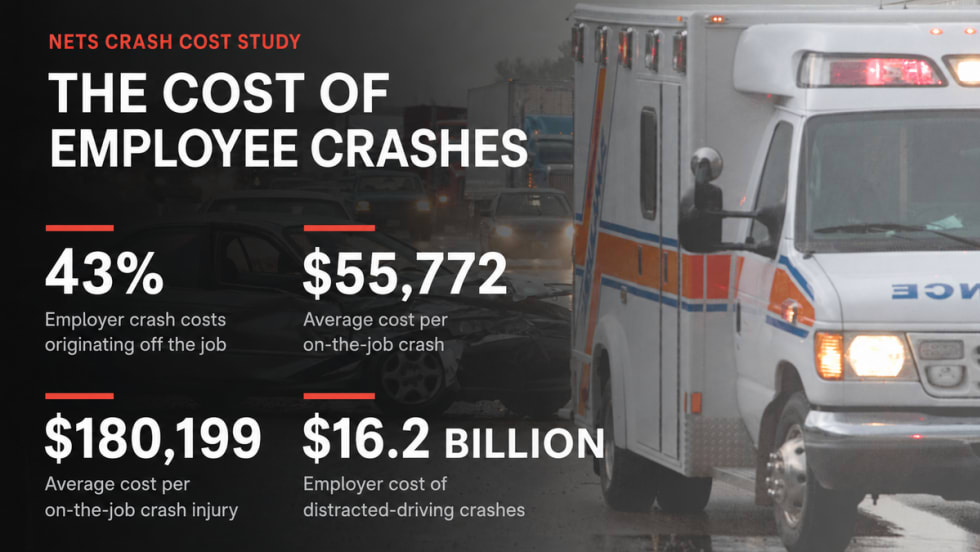
Off-the-Job Crashes Account for 43% of Employers’ $61.7 Billion Crash Burden
NETS quantifies costs dispersed across fleet, risk, HR, and other departments while providing new per-crash benchmarks for employers.
Read More →
Ram Recalls More Than 1.27 Million 1500 Pickups for Seat Belt Anchor Issue
The recall affects certain 2019-2026 Ram 1500 pickups that may have improperly attached second-row seat belt buckle anchors.
Read More →
How Better Visibility Cut Speeding Violations by 48%
Fleet leaders don't need more data, they need clearer visibility into what the data is saying. This case study explores how one utility replaced speeding-event counts with a single metric — miles driven in violation — to strengthen safety and significantly reduce speeding violations.
Read More →
Operation Safe Driver Week: Why the Industry's Oldest Safety Campaign Still Matters to Fleets
A look at how a 2007 enforcement initiative became one of the most consequential weeks on the fleet safety calendar, and what it means for your drivers in 2026.
Read More →
Nexar-Nauto Merger Aims to Give Fleets Better Safety Intelligence Through Larger Driving Dataset
Stefan Heck tells Automotive Fleet that combining more than 10 billion miles of driving history with Nexar's AI models will give fleets deeper insights into driver risk and roadway conditions than either company could provide independently.
Read More →
From Silos to Solutions: Relationship Management for Safer Fleets
From telematics adoption and driver accountability to policy consistency and risk mitigation, this episode breaks down what it really takes to build a safer fleet culture without slowing business down.
Read More →