




Minnesota First in Nation to Require B5 Biodiesel Blend
ST. PAUL, MN --- Minnesota's diesel fuel supply increased from a 2-percent (B2) biodiesel blend to 5 percent (B5) on May 1.
ST. PAUL, MN --- Minnesota's diesel fuel supply increased from a 2-percent (B2) biodiesel blend to 5 percent (B5) on May 1. The change is part of Gov. Tim Pawlenty's plan to make Minnesota the first state in the nation to require B20 by 2015.
Biodiesel is a homegrown, cleaner burning fuel made from domestic, renewable oils. While biodiesel has been produced mainly from soybeans to date, some Minnesota producers are now processing or are moving toward processing biodiesel from alternative feedstocks, such as animal fats, spent cooking oils or even algae.
"Minnesota recognized early on that biodiesel could deliver powerful environmental and economic benefits," said Minnesota Agriculture Commissioner Gene Hugoson. "Minnesota's diesel-powered vehicles have been running on this renewable fuel blend since 2005 when the B2 requirement went into effect. We know from experience that the fuel helps our air quality, our farm economy, and our effort to achieve greater energy independence."
According to state officials, B5 usage in Minnesota will prevent 139 tons of particulate pollution and 330,000 tons of lifecycle greenhouse gases from entering the air each year -- the equivalent of taking more than 55,000 cars off the road. And according to a study by the U.S. Environmental Protection Agency, the exhaust emissions of carbon monoxide from biodiesel are on average 48 percent lower than carbon monoxide emissions from diesel.
Increasing Minnesota's diesel fuel blend will require about 40 million gallons of biodiesel per year. With a capacity to produce more than 60 million gallons of biodiesel, Minnesota's biodiesel industry will be able to meet that demand, state officials said.
More Green Fleet

Everything You Need to Know About Renewable Diesel
Learn how renewable diesel works, how it differs from biodiesel, and what work truck fleets should know about costs, emissions, and performance.
Read More →
EV Charging Use Is Outpacing Infrastructure Growth
ChargePoint’s 2026 Charging Forward Report points to rising charger use, higher-powered charging, commercial vehicle electrification, and energy-management technology. Here’s what fleets should know.
Read More →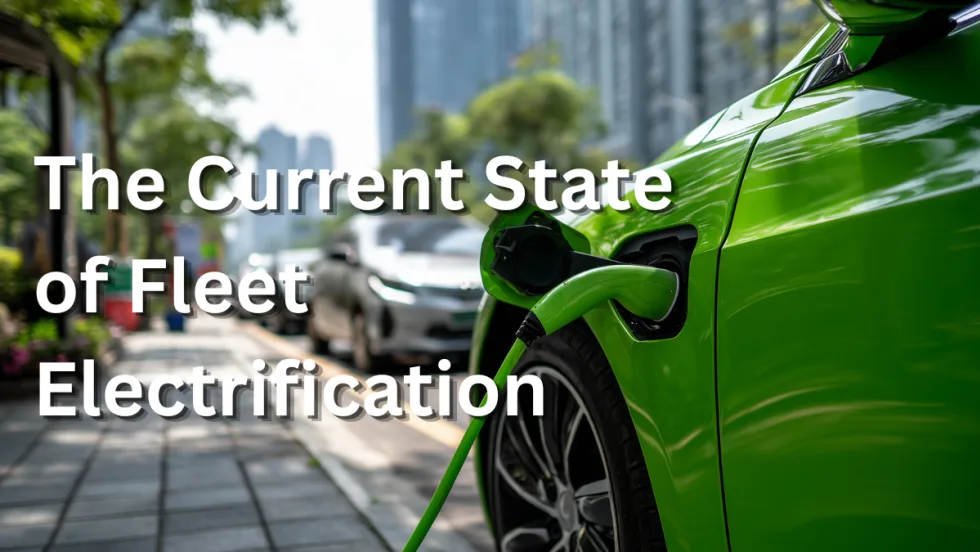
Merchants Fleet Reports 290M EV Miles as Fleets Navigate Changing Electrification Market
From millions in operating savings to hundreds of millions of EV miles, Merchants Fleet’s latest report reveals what’s working and what’s changing in fleet electrification.
Read More →
The EV Breakdown Nobody's Talking About: Why Most Electric Vehicle Roadside Calls Aren't Mechanical Failures
Here's why EV breakdowns are widely misunderstood.
Read More →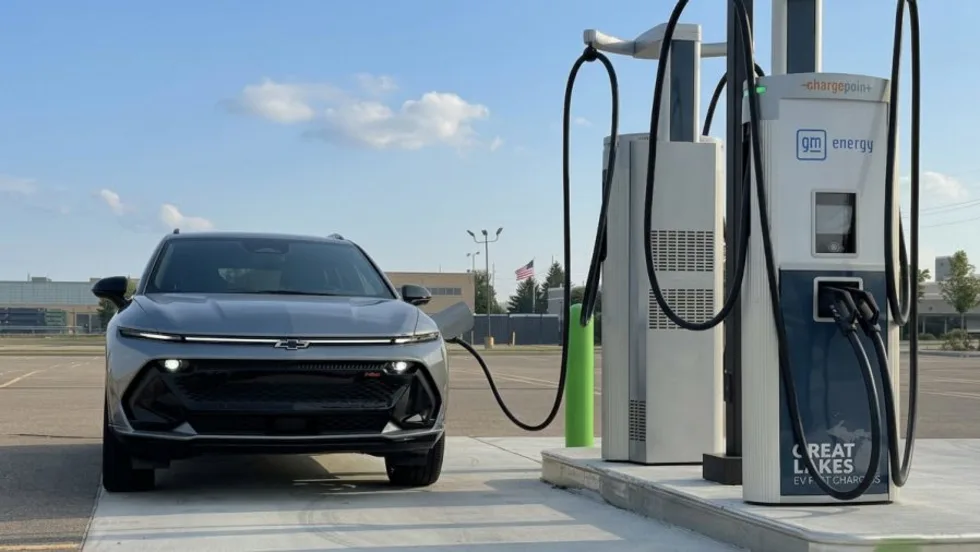
ChargePoint Now Available in Energy Pass
ChargePoint and additional planned charging network integrations were added to GM's Energy Pass.
Read More →

First Look: Slate Auto's Electric Fleet Pickup
Could an affordable, modular EV pickup make electrification more practical for fleets?
Read More →
Slate Debuts Colorful, Unique EV Models
A recent media and client event, studded with electric vehicles dressed up on platforms, planted a new position for the manufacturer in the wider EV market. Fleets will find cost-saving advantages.
Read More →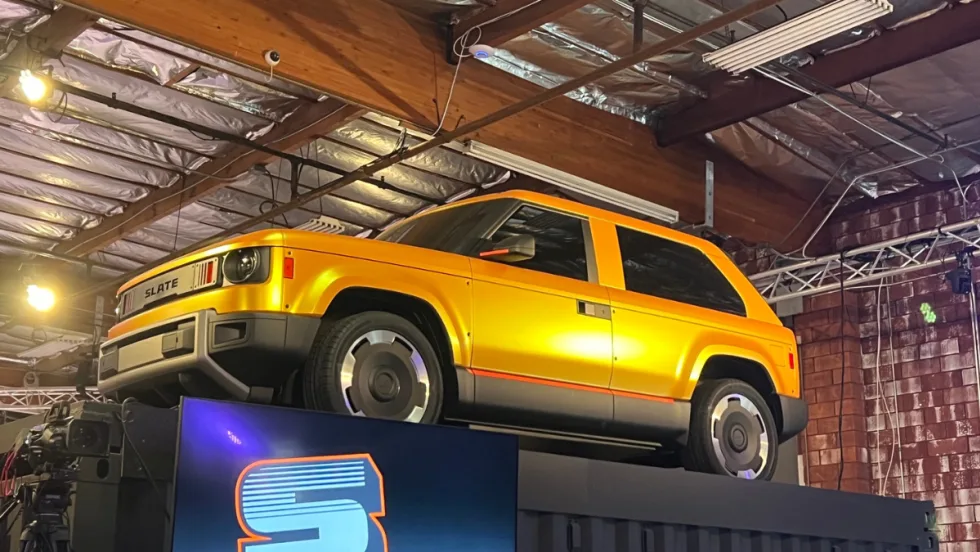
Slate Electric SUV, Pickup Switchable Model Aims For Light-Duty Fleets
Everything about this EV is counterintuitive and understated, making it stand out from the crowd.
Read More →
Inspiration Mobility Acquires Key Electrada Assets
Inspiration Mobility Group has acquired select assets of Electrada, adding the fleet electrification provider's team, technology, and charging infrastructure development capabilities to its energy management business.
Read More →