




Minnesota Auditor Recommends Shifting Funds from Corn-Based Ethanol to Cellulosic Ethanol
ST. PAUL, MN --- A new report about biofuels, released by the Office of the Legislative Auditor for the Minnesota Legislature, recommends that the state eliminate the producer payment program for corn-based ethanol.
ST. PAUL, MN --- A new report about biofuels, released by the Office of the Legislative Auditor for the Minnesota Legislature, recommends that the state eliminate the producer payment program for corn-based ethanol. Instead, the report advises, Minnesota needs to redirect those funds to other efforts designed to reduce fossil fuel use and greenhouse gas emissions, including programs to develop cellulosic ethanol.
The auditor's recommendations are at odds with those from the Minnesota Department of Agriculture, which favors keeping the producer payment program because "margins have been squeezed by periods of record high corn prices and low ethanol prices," the MDA said. "It is hoped that 10 years of payments will allow plants to retire debt, increase efficiency and develop new products and markets so they can survive the competition and price fluctuations in agricultural and petroleum markets."
Though the legislative auditor's report acknowledged that corn-based ethanol and soy biodiesel help reduce consumption of petroleum and other fossil fuels, the report concluded that "their overall ability to reduce dependence on fossil fuels is constrained by land resources and other considerations."
On the other hand, the report said, cellulosic ethanol "appears capable of greater energy savings and better environmental impacts than corn-based ethanol, but it is just beginning to be produced at pilot and demonstration facilities."
In addition, the report said that algae-based biodiesel "is believed to have promise, but it is still in the research and development stage."
The auditor's report recommends that the Environmental Quality Board and its member agencies examine what land could be used to grow biomass for cellulosic ethanol production and explore how the biomass could be grown and harvested with minimal environmental impact. The report also advises that the Department of Employment and Economic Development not use the JOBZ program for biofuel plants unless they need subsidies and offer significant energy and environmental benefits.
More Green Fleet
EV Charging Use Is Outpacing Infrastructure Growth
ChargePoint’s 2026 Charging Forward Report points to rising charger use, higher-powered charging, commercial vehicle electrification, and energy-management technology. Here’s what fleets should know.
Read More →
Merchants Fleet Reports 290M EV Miles as Fleets Navigate Changing Electrification Market
From millions in operating savings to hundreds of millions of EV miles, Merchants Fleet’s latest report reveals what’s working and what’s changing in fleet electrification.
Read More →
The EV Breakdown Nobody's Talking About: Why Most Electric Vehicle Roadside Calls Aren't Mechanical Failures
Here's why EV breakdowns are widely misunderstood.
Read More →
ChargePoint Now Available in Energy Pass
ChargePoint and additional planned charging network integrations were added to GM's Energy Pass.
Read More →

First Look: Slate Auto's Electric Fleet Pickup
Could an affordable, modular EV pickup make electrification more practical for fleets?
Read More →
Slate Debuts Colorful, Unique EV Models
A recent media and client event, studded with electric vehicles dressed up on platforms, planted a new position for the manufacturer in the wider EV market. Fleets will find cost-saving advantages.
Read More →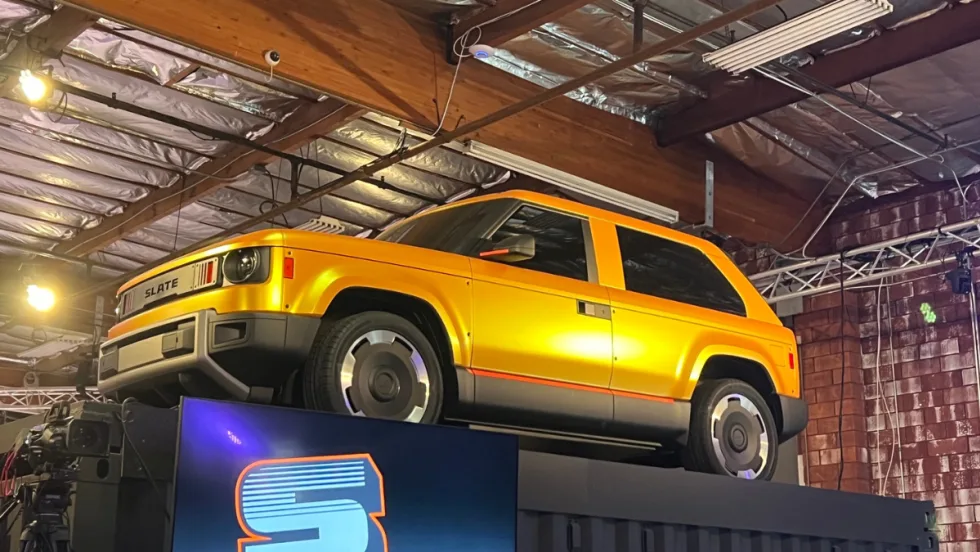
Slate Electric SUV, Pickup Switchable Model Aims For Light-Duty Fleets
Everything about this EV is counterintuitive and understated, making it stand out from the crowd.
Read More →
Inspiration Mobility Acquires Key Electrada Assets
Inspiration Mobility Group has acquired select assets of Electrada, adding the fleet electrification provider's team, technology, and charging infrastructure development capabilities to its energy management business.
Read More →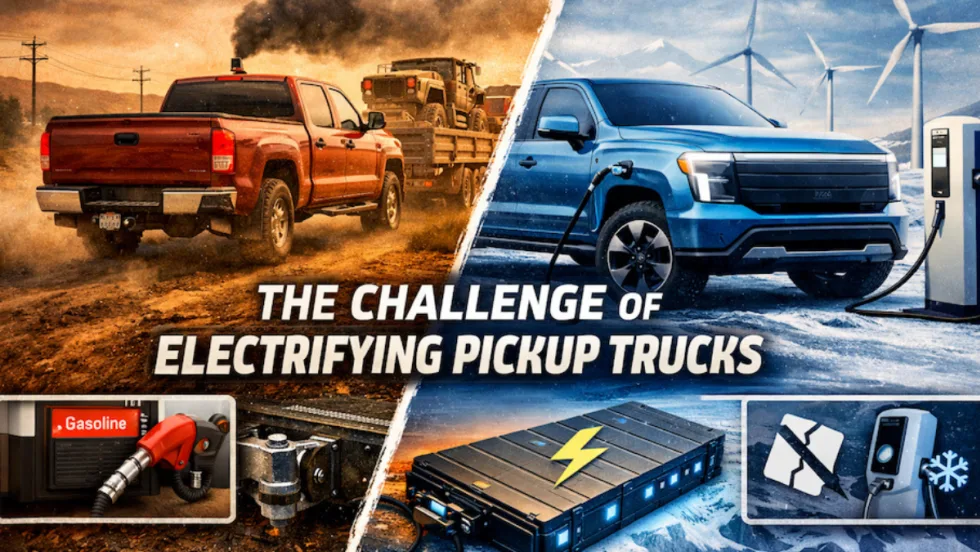
Why America’s Most Popular Vehicle is So Hard to Electrify
Turning America’s favorite workhorse electric means balancing range, payload, charging infrastructure, and price, an equation automakers are still trying to solve.
Read More →