




Minneapolis to Adopt Red Light Cameras
Come next summer, Minneapolis motorists with a penchant for running red lights will need to think extra hard before pushing on through, according to the Minneapolis Star-Tribune on August 30.
Come next summer, Minneapolis motorists with a penchant for running red lights will need to think extra hard before pushing on through, according to the Minneapolis Star-Tribune on August 30. The City Council agreed 11-2 to make it more difficult to get away with running stoplights by putting cameras at intersections to catch scofflaws. Police Lt. Greg Reinhardt has 30 days to devise a plan. Reinhardt said he expects cameras to be in place by April or May. Initially, 12-16 troubled intersections will have cameras. Eventually, up to 40 intersections could have the equipment, he said. City attorneys have said they expect Minneapolis to be sued over what is referred to as "photo cop," but they also expect the city to prevail. Photo cop's detractors have raised concerns about privacy issues and questioned whether the program is merely a way for the city to make money. Supporters say photo cop will enhance public safety by preventing accidents. With relatively little debate, the council agreed to give it a shot. The camera will take a picture of a vehicle and license plate as it enters an intersection on a red light. The photo will be reviewed and a ticket mailed to the owner of the vehicle. If the owner wasn't driving, he or she can appeal the offense. Council member Paul Zerby cited accident numbers, saying that in the past four years, 49 people have been killed at city intersections and 11,800 injured in crashes. "I think we can make an appreciable dent in those numbers," he said. "On balance, this is a good step forward." As for what revenue it might generate, Reinhardt said it would be several hundred thousand dollars more than the up to $3 million already generated annually for traffic violations. In his view, the cameras also might stem some concerns about racial profiling. "There's no way you can do any profiling with these cameras. You get what you get," he said. He said he expects the city to choose a vendor for the cameras by the year's end. Once the cameras go up, Reinhardt said, he anticipates a 30-day grace period before tickets are issued. He also noted that drivers who enter the intersection on yellow lights won't be ticketed. City attorneys say they expect the ordinance to survive because of two existing laws. One allows bus drivers to write down license plate numbers of vehicles that run a stop sign on a bus. The violators can be issued citations. Also, ambulance drivers can report the license plate numbers of drivers who fail to yield and those people can be cited, he said. In both cases, the vehicle's owner gets the ticket.
More Operations

Slate Debuts Colorful, Unique EV Models
A recent media and client event, studded with electric vehicles dressed up on platforms, planted a new position for the manufacturer in the wider EV market. Fleets will find cost-saving advantages.
Read More →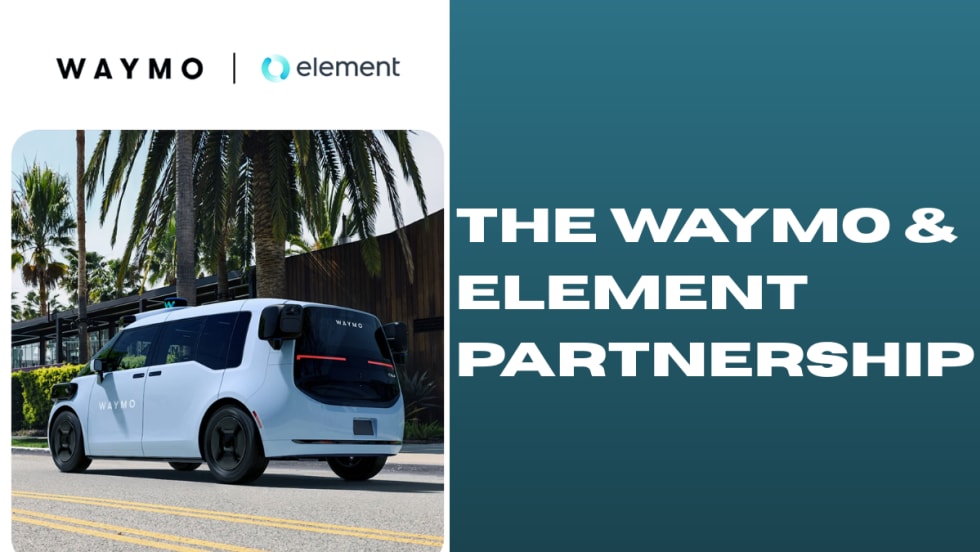
Element, Waymo Partner on Autonomous Fleet Operations
The multi-year agreement will support fleet management services for Waymo's autonomous ride-hailing operations, beginning in San Diego.
Read More →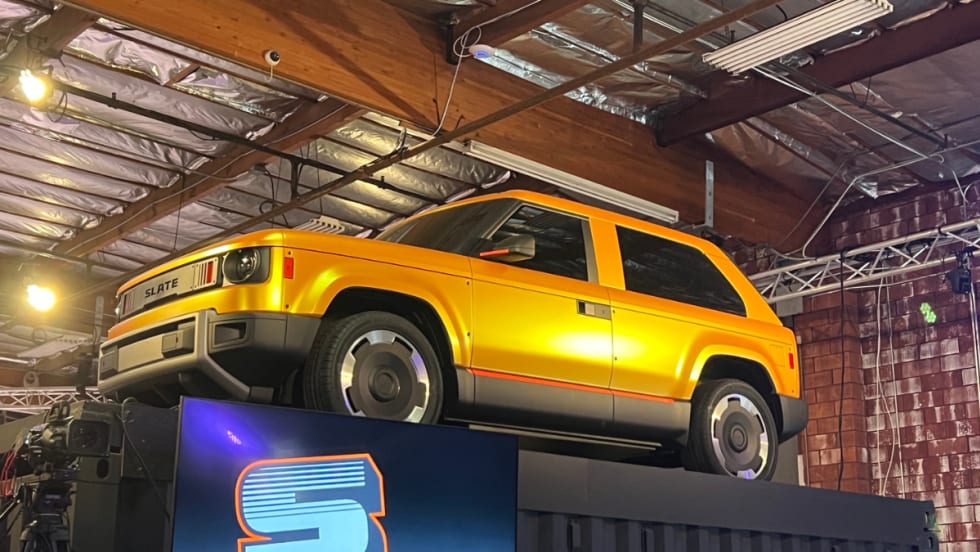
Slate Electric SUV, Pickup Switchable Model Aims For Light-Duty Fleets
Everything about this EV is counterintuitive and understated, making it stand out from the crowd.
Read More →

How to Manage Conflict for Your Fleet Operations
Conflict management is becoming a core leadership skill. Here are five strategies fleet leaders should know.
Read More →
Turning Connected Vehicle Data Into Decisions That Matter
Fleet leaders have more data than ever, but turning that data into clear, actionable decisions remains a challenge. This white paper shows how leading organizations are using connected vehicle data to improve safety, reduce costs, and optimize fleet performance. Learn how to turn insight into action across your fleet.
Read More →
Cameras, Safety and Insurance: From Reactive Claims to Real-time Prevention
Commercial auto remains one of the most challenging and costly lines of coverage for fleet operators and insurers alike. Learn more about how to effectively address these issues from Onur Aksan, Enterprise Business Development Executive, Geotab.
Read More →
Are You Tracking Your Fleet's True Total Cost of Ownership?
Bobit Business Media surveyed 190 fleet professionals and found that while most fleets are tracking costs, fragmented systems and data gaps are keeping true TCO visibility out of reach. With rising pressure to control spend in an increasingly volatile environment, the gap between what fleets think they know and what the data actually shows is wider than you might expect. See how your peers are managing costs today and where the industry still has room to improve.
Read More →
Turn Fleet Data Into Smarter Decisions
Fleet leaders have access to more operational data than ever, but disconnected systems and unclear metrics often slow decision-making instead of improving it. This whitepaper outlines five practical steps fleets can take to transform fragmented data into actionable insights that improve planning, safety, utilization, and long-term performance.
Read More →
Hybrids: Electrification Without the Challenges
For fleet managers, fuel is one of the biggest line items in the budget — and it's one hybrids can shrink without changing how your people work. Download the eBook to see the numbers, understand the technology, and get a step-by-step guide to making the switch.
Read More →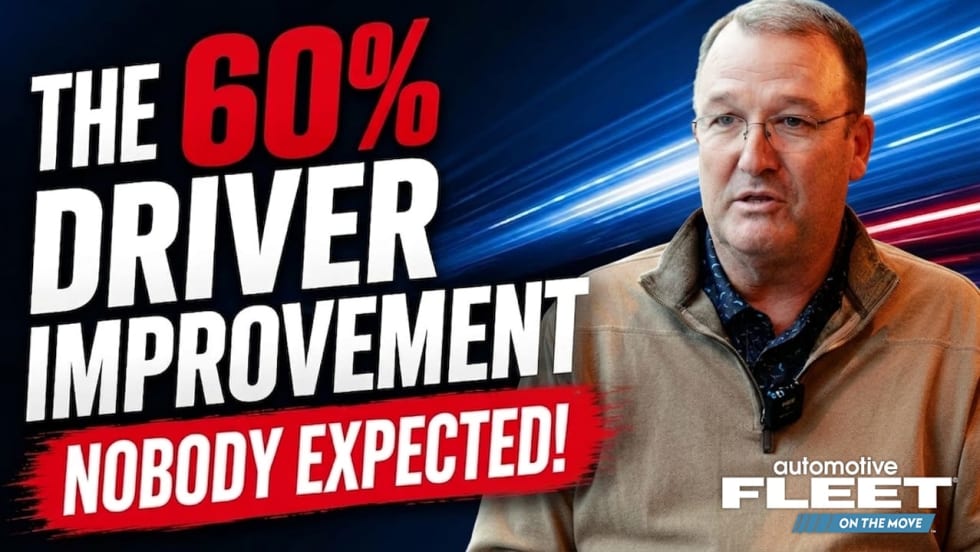
How NOV Uses Telematics to Improve Fleet Safety Across 160 Locations
James Victory of NOV discusses how the company manages fleet safety, maintenance, and telematics across more than 150 locations supporting oilfield operations throughout the U.S.
Read More →