




Michigan Gov. Granholm Creates Insurance Consumer Advocate Position
LANSING, Mich. --- Michigan Gov. Jennifer M. Granholm signed an executive order creating a new state insurance consumer advocate position that will fight for affordable, reliable, and fair car and home insurance in Michigan.
LANSING, Mich. --- Michigan Gov. Jennifer M. Granholm signed an executive order creating a new state insurance consumer advocate position that will fight for affordable, reliable, and fair car and home insurance in Michigan.
The position of automobile and home insurance consumer advocate will be housed in the Office of Financial and Insurance Regulation (OFIR), the state agency formerly known as the Office of Financial and Insurance Services and renamed by the new executive order. The advocate will exercise his or her duties independently of the commissioner of OFIR. The commissioner's responsibilities to regulate the state's insurance industry will remain unchanged.
"Some of Michigan's citizens are paying the highest homeowners and auto insurance rates in the nation," Granholm said. "The automobile and home insurance consumer advocate will work to protect the pocketbooks of our citizens and fight for fair and affordable rates for all insurance ratepayers in Michigan."
The insurance consumer advocate will have authority to:
- Conduct hearings and receive testimony from consumers; examine and investigate laws, regulations, and practices; receive expert advice; and survey best practices from around the country to assess the impact of automobile insurance and home insurance rates, rules and forms on consumers in Michigan.
- Submit to the governor an annual report on the advocate's findings and recommendations for administrative, legislative or other corrective actions that would positively affect the interests of automobile insurance and home insurance consumers.
- Appear, intervene and be heard before the commissioner as a party or otherwise on behalf of insurance consumers in any matters affecting automobile insurance and home insurance.
- Use an Internet website, a toll-free telephone number or other mechanisms for receiving consumer input.
- Educate consumers on how to protect themselves against predatory or illegal insurance practices.
- Coordinate advocacy and educational efforts with non-governmental consumer advocacy entities and other organizations.
An individual has not yet been named to the position, but an appointment will be forthcoming.
More Safety
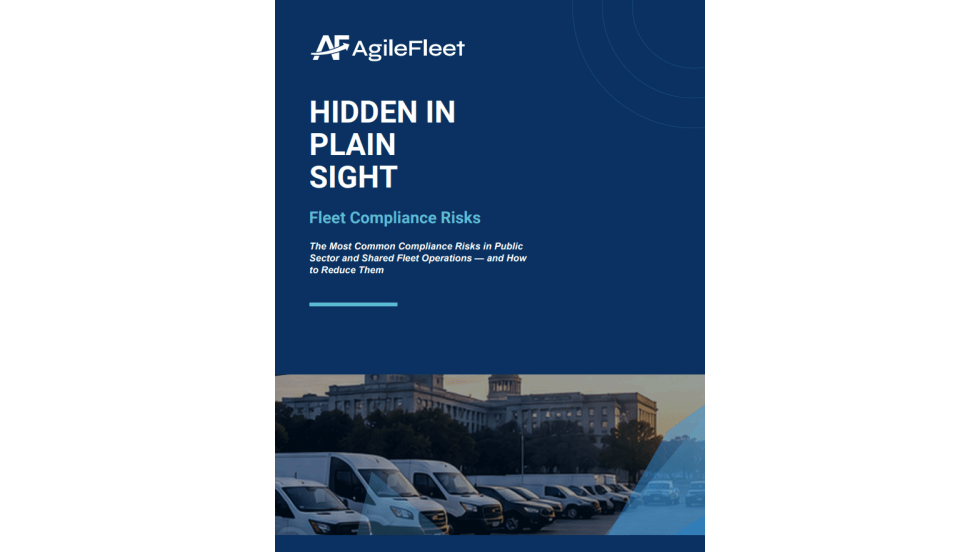
Hidden in Plain Sight: Fleet Compliance Risks
Fleet compliance isn't just about having policies — it's about consistently enforcing them. This practical guide reveals six hidden compliance risks common in public sector and shared fleet operations and outlines proven strategies to improve visibility, accountability, and audit readiness
Read More →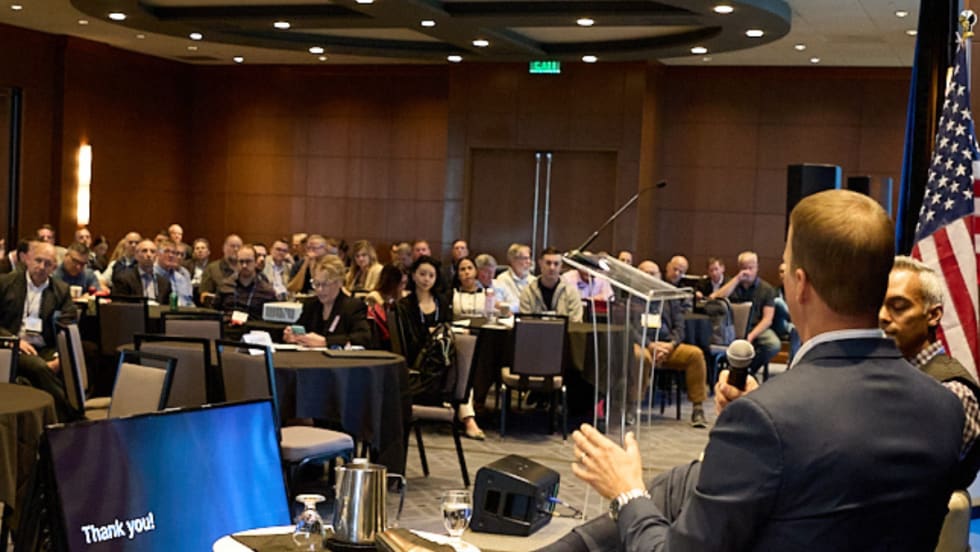
NETS Sets 2026 Fleet Safety Benchmark Conference for Indianapolis
The Sept. 15–17 program will feature fleet benchmarking data, case studies, emerging technologies, and implementation strategies while running alongside the NSC Safety Congress & Expo.
Read More →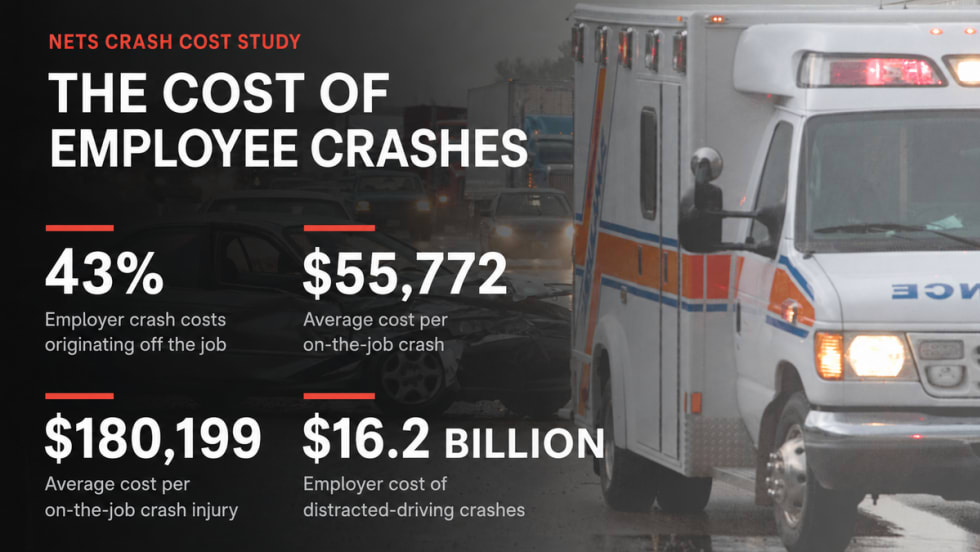
Off-the-Job Crashes Account for 43% of Employers’ $61.7 Billion Crash Burden
NETS quantifies costs dispersed across fleet, risk, HR, and other departments while providing new per-crash benchmarks for employers.
Read More →
Ram Recalls More Than 1.27 Million 1500 Pickups for Seat Belt Anchor Issue
The recall affects certain 2019-2026 Ram 1500 pickups that may have improperly attached second-row seat belt buckle anchors.
Read More →
How Better Visibility Cut Speeding Violations by 48%
Fleet leaders don't need more data, they need clearer visibility into what the data is saying. This case study explores how one utility replaced speeding-event counts with a single metric — miles driven in violation — to strengthen safety and significantly reduce speeding violations.
Read More →
Operation Safe Driver Week: Why the Industry's Oldest Safety Campaign Still Matters to Fleets
A look at how a 2007 enforcement initiative became one of the most consequential weeks on the fleet safety calendar, and what it means for your drivers in 2026.
Read More →
Nexar-Nauto Merger Aims to Give Fleets Better Safety Intelligence Through Larger Driving Dataset
Stefan Heck tells Automotive Fleet that combining more than 10 billion miles of driving history with Nexar's AI models will give fleets deeper insights into driver risk and roadway conditions than either company could provide independently.
Read More →
From Silos to Solutions: Relationship Management for Safer Fleets
From telematics adoption and driver accountability to policy consistency and risk mitigation, this episode breaks down what it really takes to build a safer fleet culture without slowing business down.
Read More →
IIHS Launches First Commercial Vehicle Safety Evaluations
The Insurance Institute for Highway Safety has begun evaluating heavy-duty pickups and cargo vans for driver protection. Which models earned top marks?
Read More →
Reducing Risk by Eliminating Phone Use Behind the Wheel
Hosted with the cofounder of Lifesaver Mobile, this episode addresses phone use behind the wheel and how to design a driving environment that actually helps prevents accidents.
Read More →