





Keep Reading! Women in Fleet Reflect on Leadership and Industry Change
Mercedes-Benz Launches New Fleet Business Development Structure
A new team of regional Business Development Managers and an International Key Account Manager aims to deliver specialized expertise and more proactive support for fleet programs.
March 18, 2026
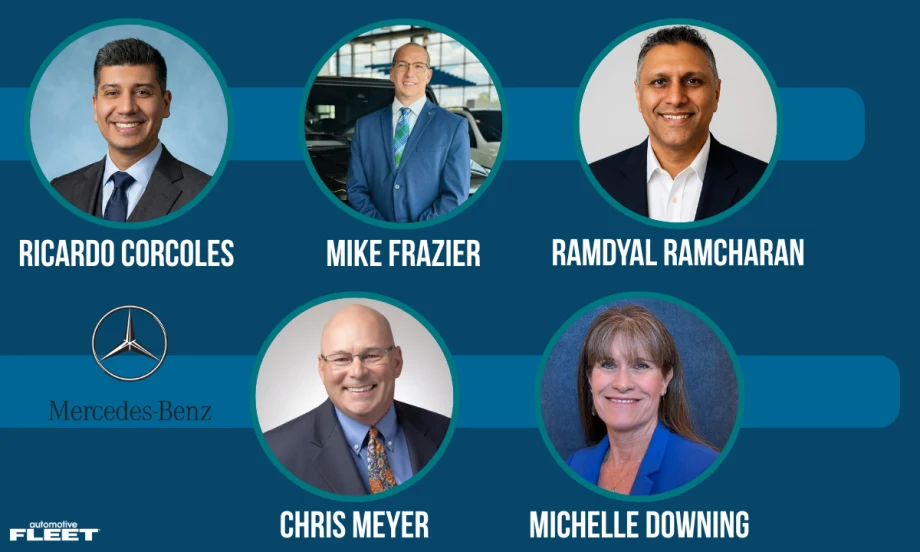
Mercedes-Benz named Ricardo Corcoles, Mike Frazier, Michelle Downing, and Chris Meyer as regional business development managers, with Ramdyal Ramcharan serving as international key account manager in its new fleet leadership structure.
Credit: Automotive Fleet / Mercedes-Benz
2 min to read
Mercedes-Benz recently created a Fleet Business Development and Strategic Relationship Management team for its passenger car and SUV fleet business. The new team is designed to provide fleet customers with dedicated regional contacts, more specialized expertise, and faster engagement.
The fleet organization is now centered around a national business model, as follows:
Ricardo Corcoles: Business Development Managers - Central
Michelle Downing: Business Development Managers - Western
Mike Frazier: Business Development Managers - Southern
Chris Meyer: Business Development Managers - Northeast
Ramdyal Ramcharan: International Key Account Manager
This new structure replaces a broader model with a more aligned, territorial approach. This allows each regional manager to make responsible decisions for respective programs, markets, and relationships.
The team continues to be run by Larry Henderson, Head of Fleet Business Development and Strategic Relationship Management.
“Each leader brings deep OEM fleet experience, commercial sales expertise, and decades of industry knowledge from brands such as Stellantis, Nissan, BMW, and others,” Henderson said.
In addition, the presence of an international key account manager is intended to coordinate Mercedes-Benz USA and parent company, Mercedes-Benz AG.
The new team has expertise in commercial sales, national operations, rental partnerships, and global fleet program management.
What the New Structure Means for Fleets
The new structure is meant to improve customer engagement and responsiveness with corporate fleets.
The structure intends to provide fleets with the following:
Purposeful, proactive outreach
Timely responses
Support with acquisition planning, lifecycle management, and remarketing decisions
Each of these areas may affect the total cost of ownership (TCO), so the new team structure is intended to provide better visibility into demand and trends.
Greater Focus on Long-Term Fleet Partnerships
Mercedes says the updated structure focuses more on building long-term relationships and tailored solution development.
This strategic shift is intended to provide insights into account planning, program development, partnerships, and customer support amid industry shifts, including EV incentives and strategies that are constantly evolving, remarketing complexity, and economic pressures.
More State of the Fleet Industry
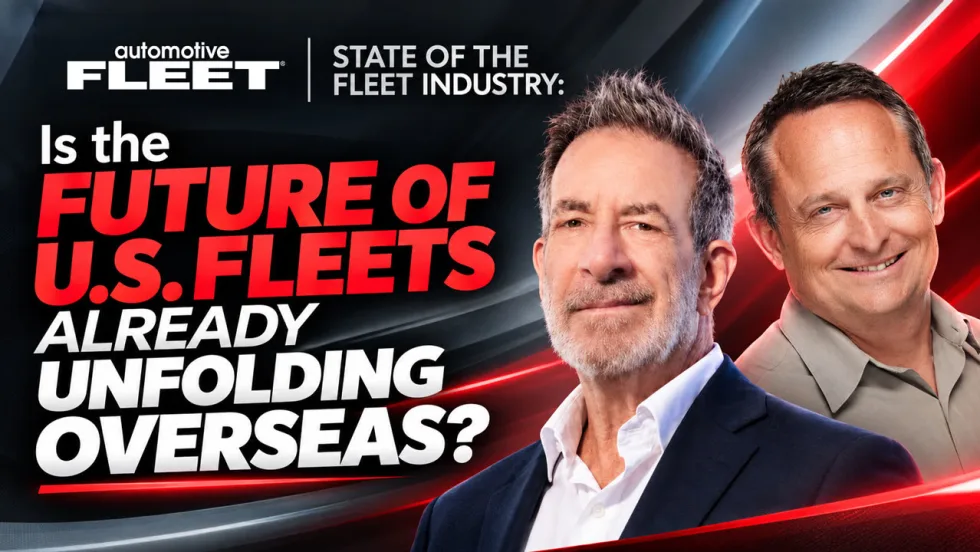
Is the Future of U.S. Fleets Already Unfolding Overseas?
Fleet Forward Conference keynote speaker John Rossant examines how AI, autonomy, and electrification are converging, and why developments in China, Europe, and the Middle East could preview what’s coming for U.S. fleets.
Read More →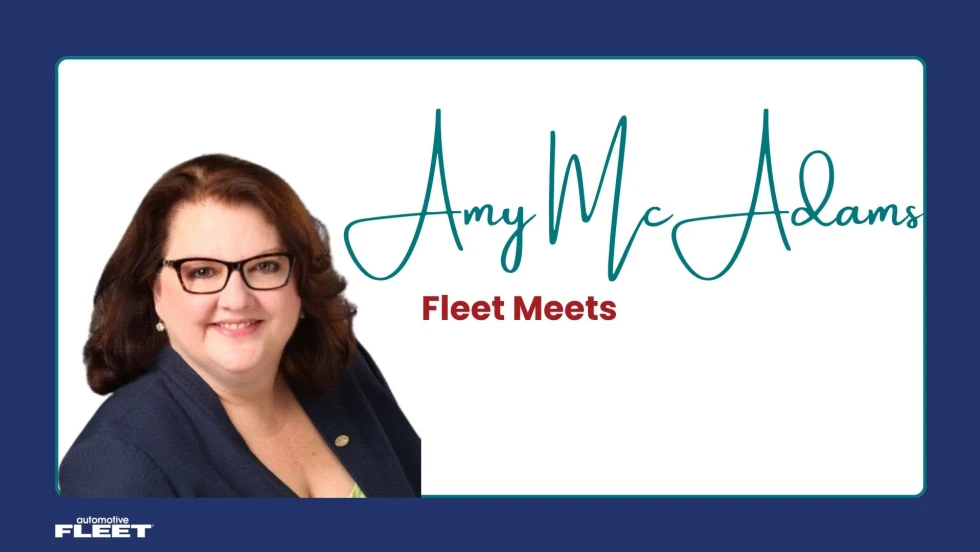
Fleet Meets: Amy McAdams
In this edition of Fleet Meets, Amy McAdams shares how an unexpected career move led to more than 15 years in fleet.
Read More →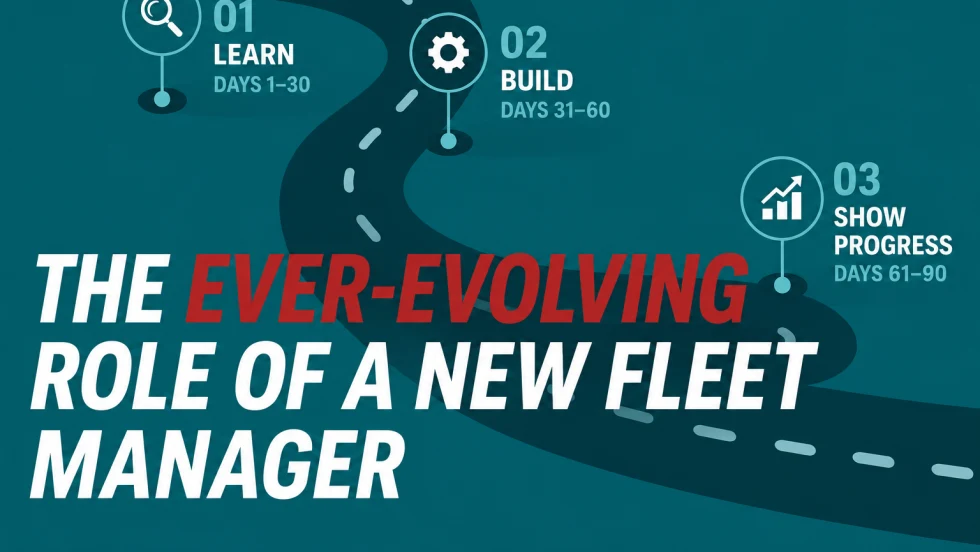
From Tactical to Strategic: A Fleet Manager's First 90 Days
The first 90 days as a fleet manager can be daunting, and the role has changed a lot over the years. What's important now?
Read More →
Fleet Industry Mourns the Passing of Donna Bibbo
Fleet leader Donna Bibbo passed away after a long battle with uterine cancer and a failing heart.
Read More →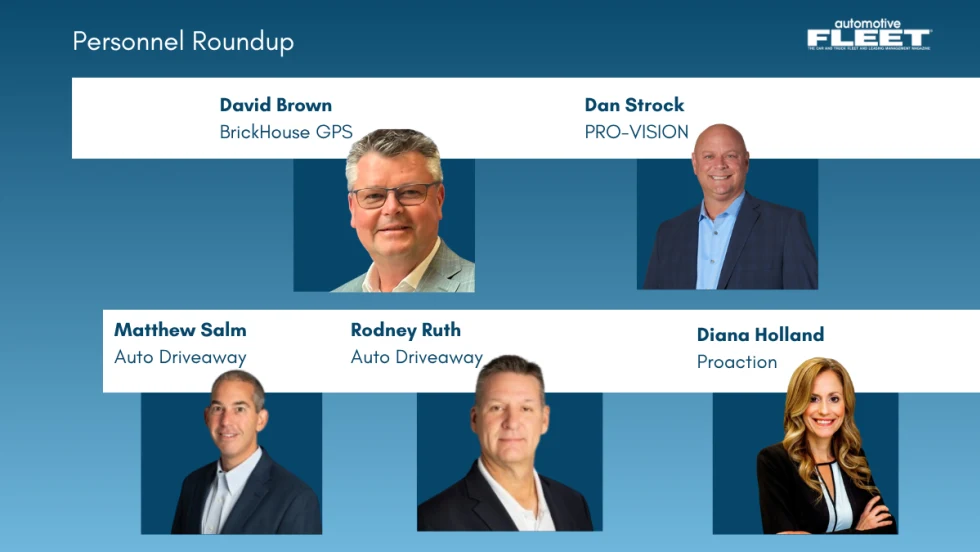
Personnel Update: BrickHouse GPS, PRO-VISION, Auto Driveaway, and Proaction
Check out the latest must-know fleet personnel updates from the last couple of months.
Read More →
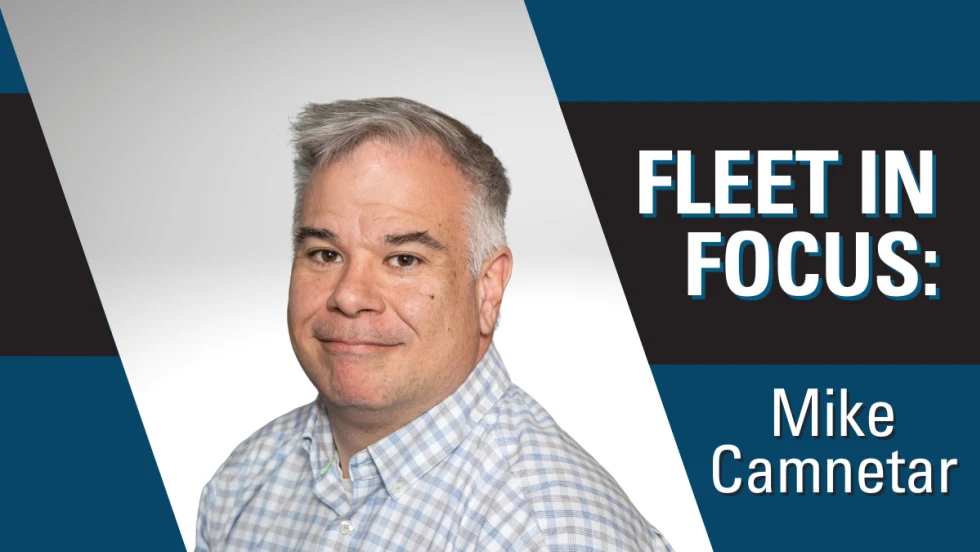
‘Mike Just Gives Cars to People’ — And Other Misconceptions Fleet Managers Need to Fix
Most organizations misunderstand fleet. The best managers make sure that doesn’t happen.
Read More →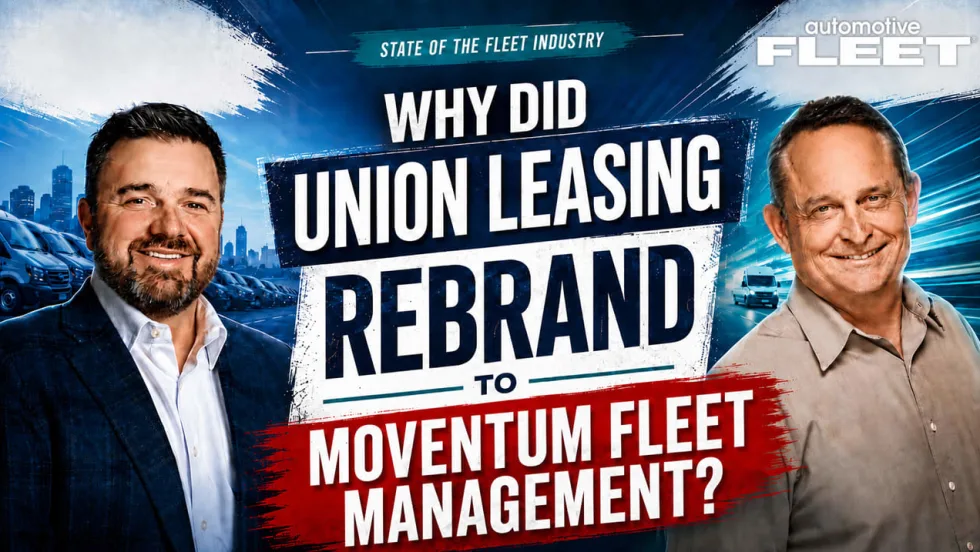
Why Union Leasing Rebranded to Moventum Fleet Management
Mark Hogland discusses Union Leasing’s transition to Moventum Fleet Management and how the rebrand reflects the company’s growing focus on strategic fleet management and lifecycle support.
Read More →
From Storm Response to Data Strategy: Fleet Trends to Watch | AF News Recap
In this AF news recap, host Faith Howell covers this week's most pressing industry updates.
Read More →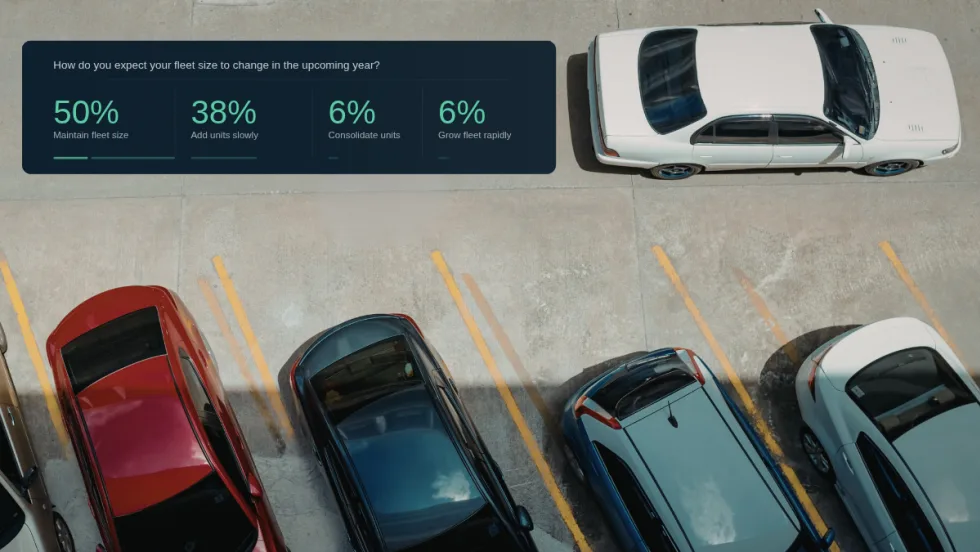
Report: 36% of Fleet Managers Are Delaying Replacements
Element’s 2026 Market Pulse Report finds fleets are slowing replacement cycles amid tariffs, economic uncertainty, and rising costs.
Read More →