




Mercedes-Benz Introduces 2016 GLC Luxury SUV
Mercedes-Benz will bring its GLC luxury SUV to dealers in November as a 2016 model-year replacement to the GLK-Class with a greater range of features and significantly lighter-weight construction for improved fuel economy.
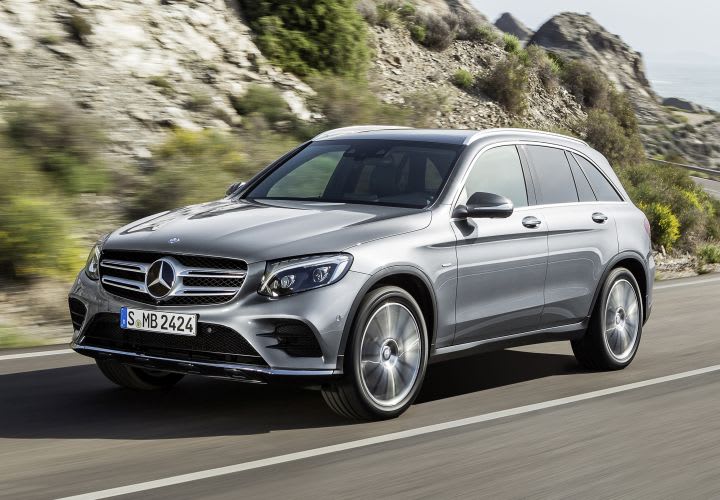
Photo of 2016 GLC courtesy of Mercedes-Benz.
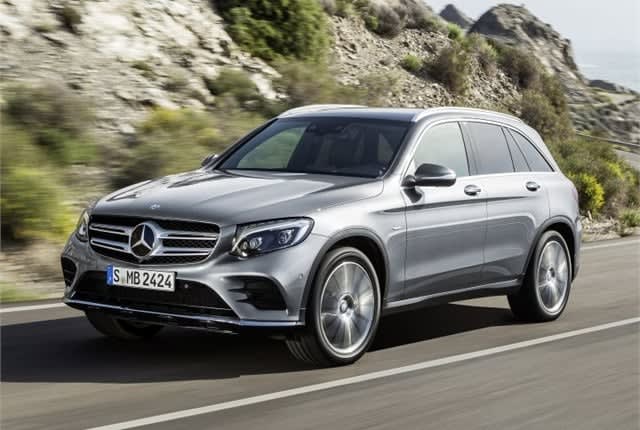
Photo of 2016 GLC courtesy of Mercedes-Benz.
Mercedes-Benz will bring its GLC luxury SUV to dealers in November as a 2016 model-year replacement to the GLK-Class with a greater range of features and significantly lighter-weight construction for improved fuel economy.
The GLC mid-size SUV will initially be offered in two models — the rear-wheel GLC300 and all-wheel-drive GLC300 4Matic. Mercedes-Benz will also offer the GLC350e plug-in hybrid in the fall of 2016 in California and nine other zero-emission states.
Mercedes-Benz is revamping the engine lineup for the GLC, and will offer a single engine at launch — a 2.0-liter inline-four that produces 241 hp and 273 lb.-ft. of torque. The engine will be paired with a 9-speed automatic transmission.
The GLC weighs in at 176 pounds lighter than the outgoing GLK. Much of the weight reduction comes with extensive use of aluminum and high-strength steel in the vehicle's body. Mercedes-Benz also extended the wheelbase by 4.6 inches and lowered the chassis by 0.6 inches.
The GLC will arrive with two assistance systems to improve ride, handling and vehicle efficiency, including the Air Body Control air suspension system and Dynamic Select engine and suspension modes.
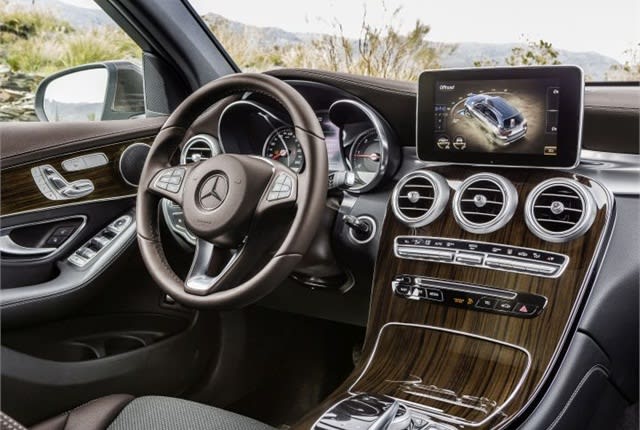
Photo of 2016 GLC courtesy of Mercedes-Benz.
The vehicle comes standard with the automaker's "agility control" suspension that uses steel springs and a variable damping system. GLC buyers can add Air Body Control, which adds a multi-chamber air suspension system to provide better stability and sporty agility, according to the automaker.
The new standard Dynamic Select system offers drivers five modes, including Eco, Comfort, Sport, Sport+, and Individual settings. The Sport and Sport+ modes lower the suspension 0.8 inches.
In the interior, the driver and front passenger can access infotainment via a 7-inch color media display. Navigation is powered by Garmin's Map Pilot.
Mercedes-Benz has increased entry and exit space for rear passengers by 1.3 inches and added more foot space. Capacity behind the rear bench seat has increased by 2.8-3.9 cubic feet using European measurement standards.
More Operations

A buyer's guide to fleet management software in 2027
Buying fleet management software in 2027 means looking beyond features and price. As fleet operations, technology and expectations evolve, this guide explores what today’s fleet professionals should consider when choosing a system that can deliver value now and adapt to what comes next.
Read More →
What Will Shape the Next Era of Fleet Management?
EVs, AI, and autonomous vehicles are reshaping fleet management. Discover what’s ahead—and how fleet leaders can prepare for the next era.
Read More →
How Fleets Can Recruit and Train Veterans for Technician Roles
Here's how the technician shortage has affected uptime for fleets, and what to do about it.
Read More →

Avis Budget Group Deploys Neology Toll Management Technology Across Major Brands
Neology’s neoFleet platform will manage toll transactions and toll-authority operations for vehicles across Avis, Budget, Payless, Budget Truck and Zipcar.
Read More →
Fleet Personal-Use Charges Edge Higher in 2026
Nearly eight in 10 surveyed fleets allow personal use of company vehicles, while just over half of respondents report charging employees for the privilege.
Read More →
The Future of Fleet + What’s Changing Right Now | AF News Recap
Could developments overseas offer a preview of what’s coming for U.S. fleets? This week, we’re looking at the future of AI, autonomy, and electrification, plus Ford Pro’s new certified pre-owned program, smarter vehicle offboarding, and a new way for fleets to manage toll expenses.
Read More →
How to Handle Vehicle Offboarding
What do fleet managers need to do when a driver leaves?
Read More →
Fleet Manager’s Ultimate Playbook: Navigating the New Standard in OEM Connectivity
Rising operating costs, driver safety concerns, and unplanned downtime are putting unprecedented pressure on modern fleets. Discover how fleet managers use embedded OEM connectivity and real-time vehicle data to cut TCO, prevent downtime, and protect drivers without aftermarket telematics hardware.
Read More →
U.S. Bank Adds Verra Mobility Toll Management to Voyager Fleet Platform
The integration allows U.S. Bank Voyager fleet customers to manage toll payments and violations alongside fuel, EV charging and maintenance expenses.
Read More →
ADAS Prevents Crashes. But Repairs Cost More | AF News Recap
ADAS-equipped vehicles may crash less often, but they can cost more when they do. This week, we’re breaking down what that tradeoff means for fleets, plus Subaru’s first Forester Wilderness Hybrid, Nissan’s new e-POWER Rogue, and why Calstart has become Catalyst Mobility.
Read More →