




Mercedes-Benz eSprinter Completes Winter Endurance Tests
In real-world testing at Sweden's Arjeplog, the all-electric van performed well in extreme conditions, including snowy and icy roadways, in cutting winds, and at temperatures up to negative 30 degrees.

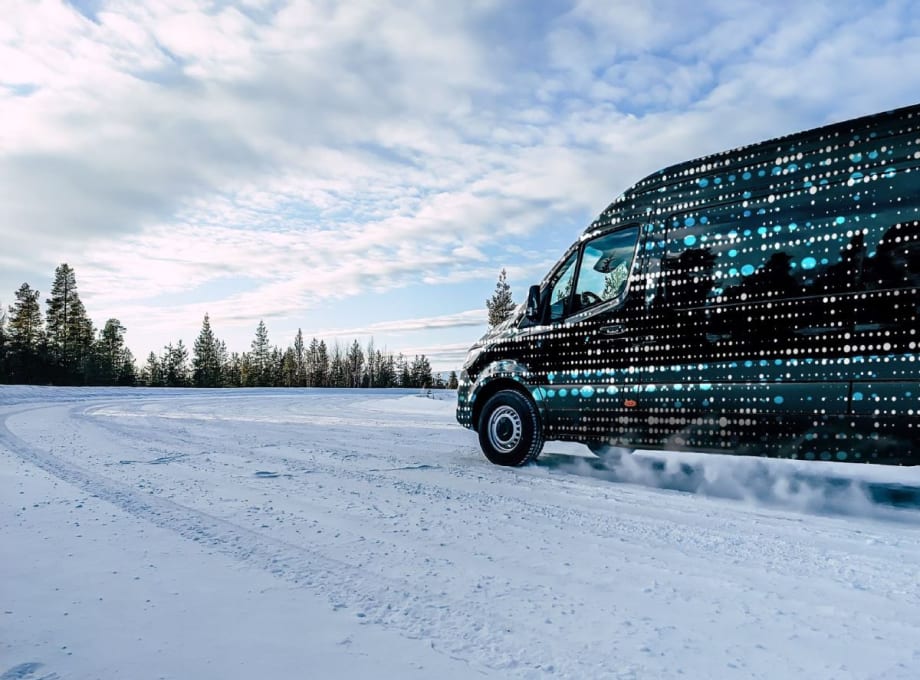
The new eSprinter will have about double the range of the current van. It will come to the U.S. and Canada, with production to start in the second half of 2023.
Photo: Mercedes-Benz
To meet customer demands for reliability in even the most difficult weather conditions, Mercedes-Benz conducts real-world endurance tests for all of its battery-electric vans, just as it does for equivalent vehicles with combustion engines.
At the challenging testing grounds at Sweden's Arjeplog, close to the Arctic Circle, vehicles undergo a variety of tests in which the effects of extreme cold on handling, ergonomics, thermal management, and cabin comfort are examined. The low-temperature resistance of drive components, heating systems, software, and interfaces are tested in cold chambers, where the vehicles are cooled down before the test drives. The charging behavior and charging management are then examined and optimized.
In this case, Merecedes-Benz said in a Feb. 11 news report that after completing half of the several weeks of planned tests, it became clear that the eSprinter defies both ice and snow, extreme temperatures, and can handle the most difficult test cycles.
What is required of the next-generation eSprinter was defined in close cooperation with customers, i.e. from the CEP sector (courier, express, and parcel services) and bodybuilders, the announcement said.
Global offerings will include three battery versions and numerous body variants – from the panel van to the chassis for box bodies, the next-generation eSprinter will open up new customer segments and new markets such as the U.S. and Canada. Compared with the current eSprinter, the range will be more than double, depending on the configuration, the brand said.
Production of the next-generation eSprinter will start beginning in the second half of 2023 in Charleston, South Carolina, and then in Germany's Duesseldorf and Ludwigsfelde. The next-generation eSprinter will be produced CO₂-neutrally.
Mercedes-Benz has invested around 350 million euros in the next-generation eSprinter. Approximately 50 million euros have been invested in adapting the production in the three plants.
The OEM has its sights set toward a fully electric future – wherever market conditions allow. This means that from 2025, all new vehicle architectures will be exclusively electric. In line with this, Mercedes-Benz Vans will also develop a new, purely electric vehicle architecture for the third generation of eVans, called VAN.EA. The first vans based on VAN.EA will launch from the mid-2020s.
More Vehicle Research

Crash Tests, Catalytic Converter Theft & Fleet Safety | AF News Recap
A stolen catalytic converter can cost a fleet far more than the replacement part. This week, we're exploring how to reduce theft-related risk, what fleet managers learned from live IIHS crash testing, the 2027 Jeep Compass's new safety features, and why supporting original industry reporting matters.
Read More →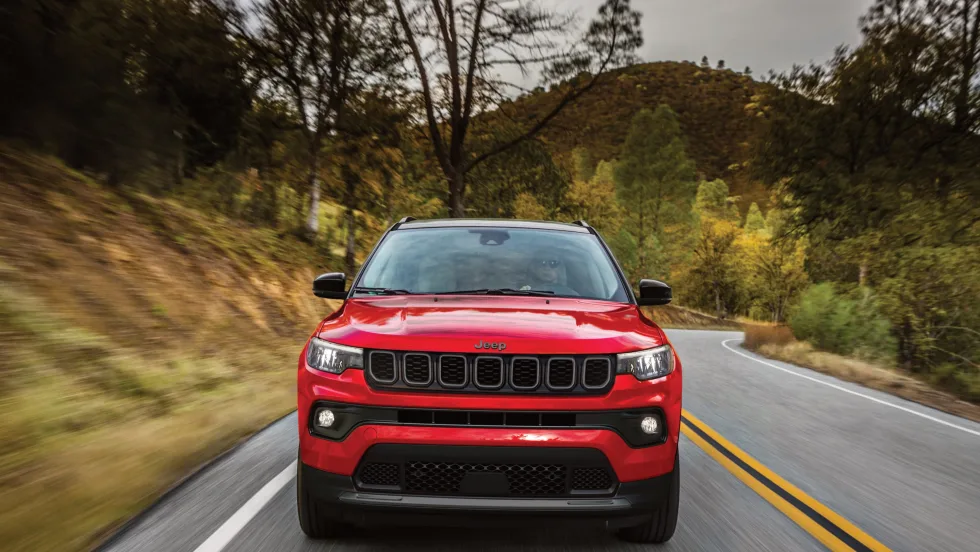
2027 Jeep Compass Adds Standard Driver-Assistance Features, Starts at $31,985
The 2027 Jeep Compass adds standard adaptive cruise control across the lineup, along with additional technology and equipment options on select trims.
Read More →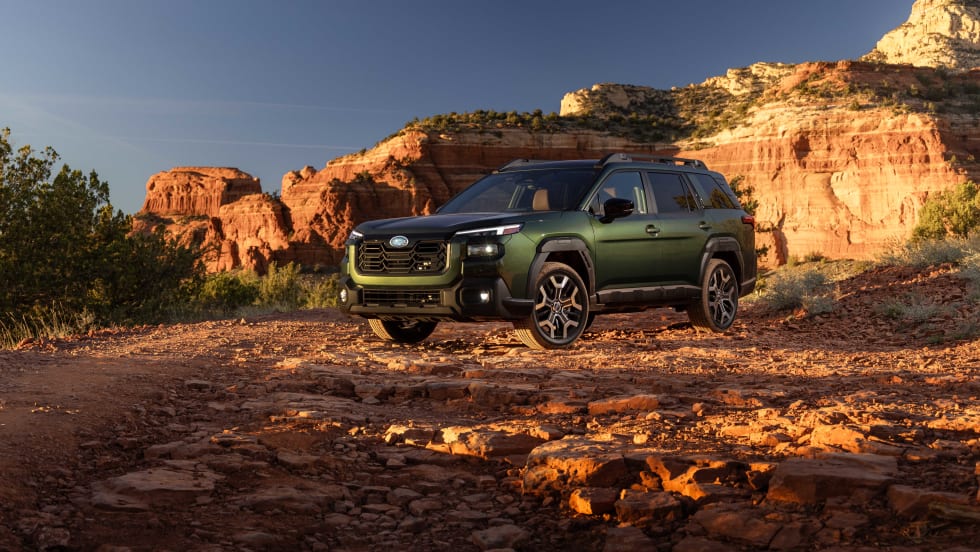
2027 Subaru Outback Adds Base Trim, Lowers Pricing Across Lineup
The 2027 Outback starts at $32,995, with price reductions on several trims and expanded availability of hands-free driver-assistance technology.
Read More →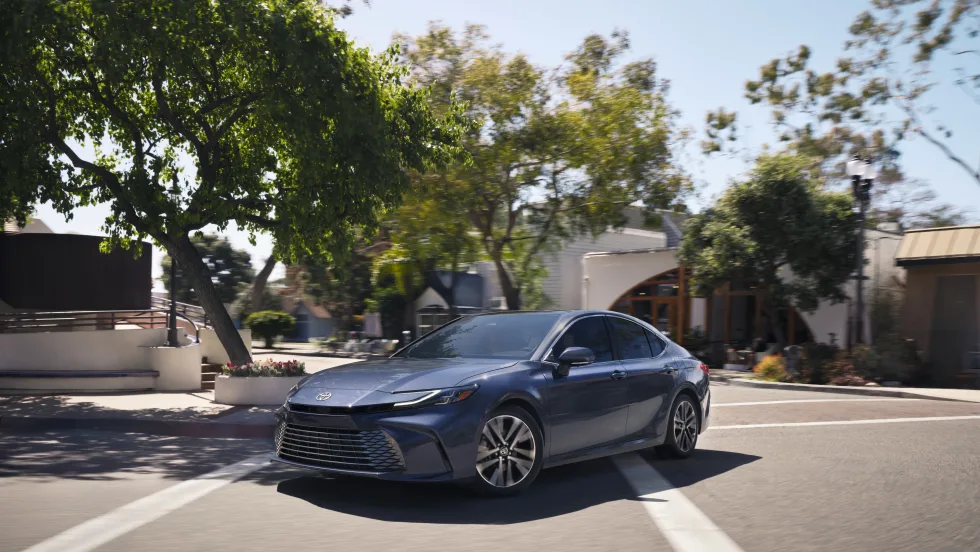
2027 Toyota Camry Offers Hybrid Powertrain Across Five Grades
The 2027 Toyota Camry is a carryover with new pricing.
Read More →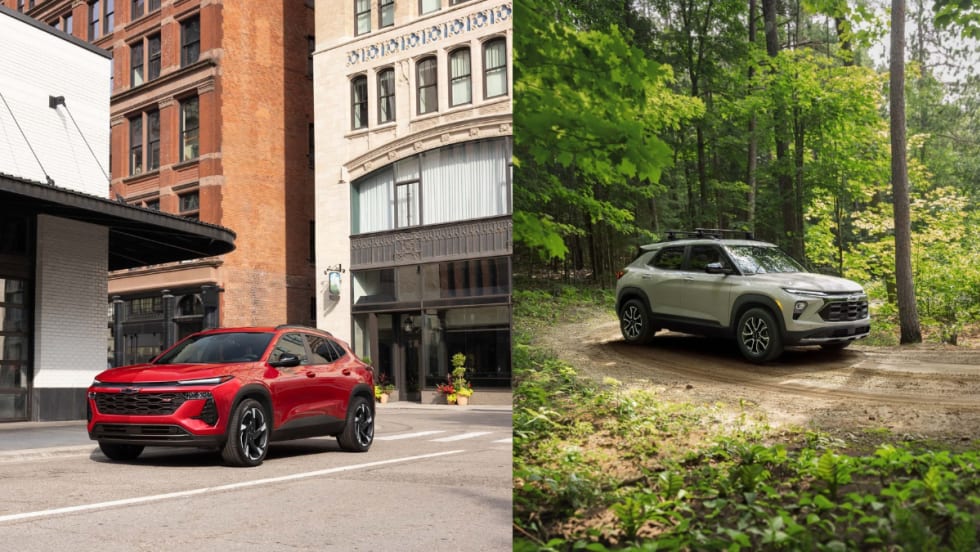
Chevrolet Updates 2027 Trax and Trailblazer with More Standard Safety Features
Chevrolet is updating two of its smallest SUVs with added driver-assistance technology, redesigned interiors, and revised trim options. The changes could add more safety equipment as standard for commercial fleets, while a new Trailblazer configuration adds another all-wheel-drive option.
Read More →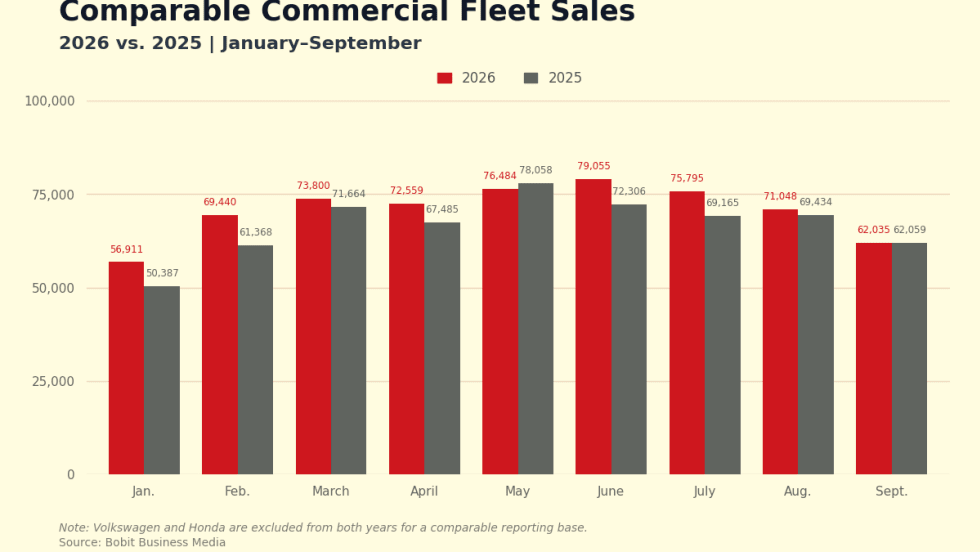
Commercial Fleet Sales Rise 5.8% Through September 2026
September commercial fleet sales were essentially unchanged from a year earlier, slowing year-to-date growth while keeping volume ahead of 2025.
Read More →
Hall of Fame Inductee: John Dmochowsky
The longtime Mondelēz International fleet executive joins the Automotive Fleet Hall of Fame.
Read More →
Hall of Fame Inductee: Lee Miller
After more than four decades at Boehringer Ingelheim, Lee Miller leaves a legacy built on fleet expertise.
Read More →
Hall of Fame Inductee: Mark F. Petersen
From managing fleets of thousands of vehicles to advancing safety and mentoring fellow professionals, Mark F. Petersen made his mark across both the corporate and supplier sides of fleet.
Read More →
When Charger Downtime Becomes a Fleet Availability Problem
As EV deployments move beyond pilot programs, charger reliability can directly affect vehicle readiness, driver productivity and route scheduling.
Read More →