




Mercedes-Benz Debuts New Active Safety Technology
MONTVALE, NJ - The restyled CL-Class boasts two new safety features based on state-of-the-art radar, camera and sensor technology.

2011 Mercedes-Benz CL550 4MATIC
MONTVALE, NJ - The restyled CL-Class boasts two new safety features based on state-of-the-art radar, camera and sensor technology.
Renowned as the flagship coupe from Mercedes-Benz, the 2011 CL-Class debuts Active Lane Keeping Assist and Active Blind Spot Assist, both designed to help the driver avoid danger through corrective braking. Building on the innovative technologies introduced last year on the E- and S-Class, the CL-Class now showcases the height of safety technology form Mercedes-Benz including features such as ATTENTION ASSIST, PRE-SAFE Brake with automatic emergency braking, and Night View Assist PLUS with Pedestrian Detection. The 2011MY CL-Class will make its U.S. debut in Fall 2010.
Active Lane Keeping Assist
Using a multi-purpose camera mounted in the windshield and a computer that analyzes the images, Active Lane Keeping Assist recognizes lane markings and alerts the driver by simulating rumble strip vibrations in the steering wheel (via an electric motor) if the car drifts from its lane unintentionally. Should the driver fail to react to this warning, the car intervenes by gently braking the wheels on the opposite side of the car. The unequal distribution of braking forces causes a yaw movement which helps the driver to stay in their lane. Active Lane Keeping Assist makes use of the existing ESP (Electronic Stability Program) system to apply the brakes and maintain vehicle control.

Active Blind Spot Assist
The second innovation on the 2011 CL-Class, Active Blind Spot Assist, monitors both blind spots alongside the vehicle using close-range radar sensors. When a vehicle is detected, a yellow warning triangle is illuminated in the corresponding side-view mirror. Should the driver disregard this warning and activate the turn indicator, the warning triangle changes to red and an audible warning also sounds. If the driver continues to ignore these warnings and moves dangerously close to a neighboring vehicle, the system activates corrective braking intervention to the wheels of the opposite side of the vehicle. Like Active Lane Keeping Assist, the yaw movement helps correct the car's path or minimize the consequences of
a collision.
More Safety
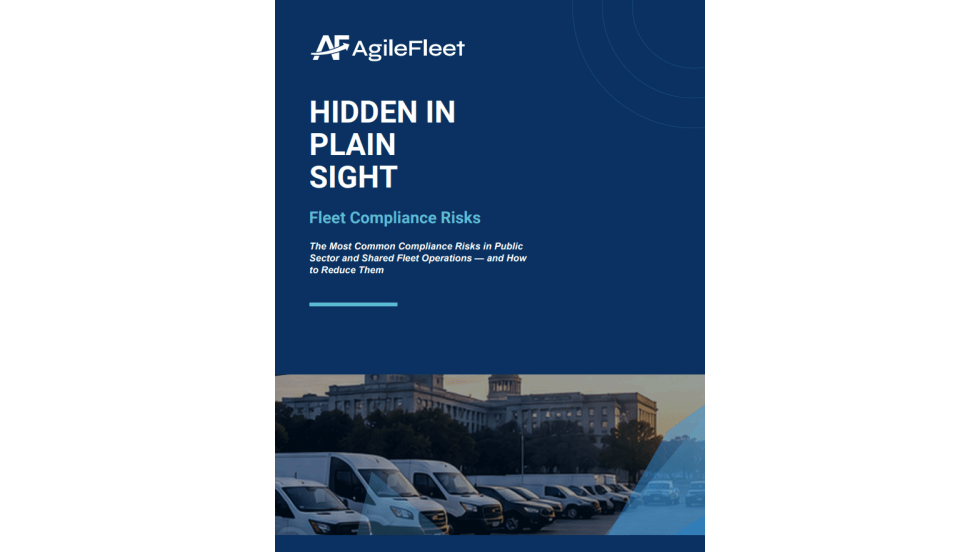
Hidden in Plain Sight: Fleet Compliance Risks
Fleet compliance isn't just about having policies — it's about consistently enforcing them. This practical guide reveals six hidden compliance risks common in public sector and shared fleet operations and outlines proven strategies to improve visibility, accountability, and audit readiness
Read More →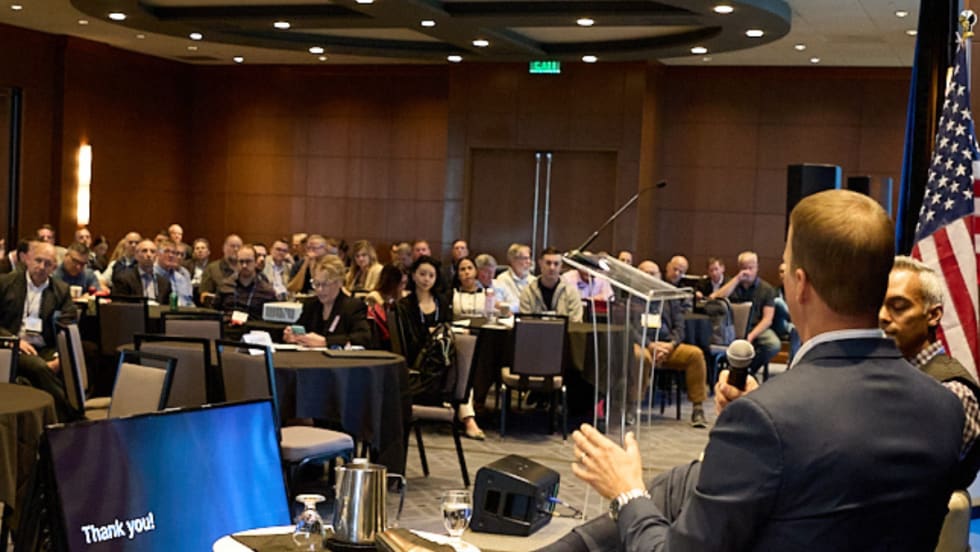
NETS Sets 2026 Fleet Safety Benchmark Conference for Indianapolis
The Sept. 15–17 program will feature fleet benchmarking data, case studies, emerging technologies, and implementation strategies while running alongside the NSC Safety Congress & Expo.
Read More →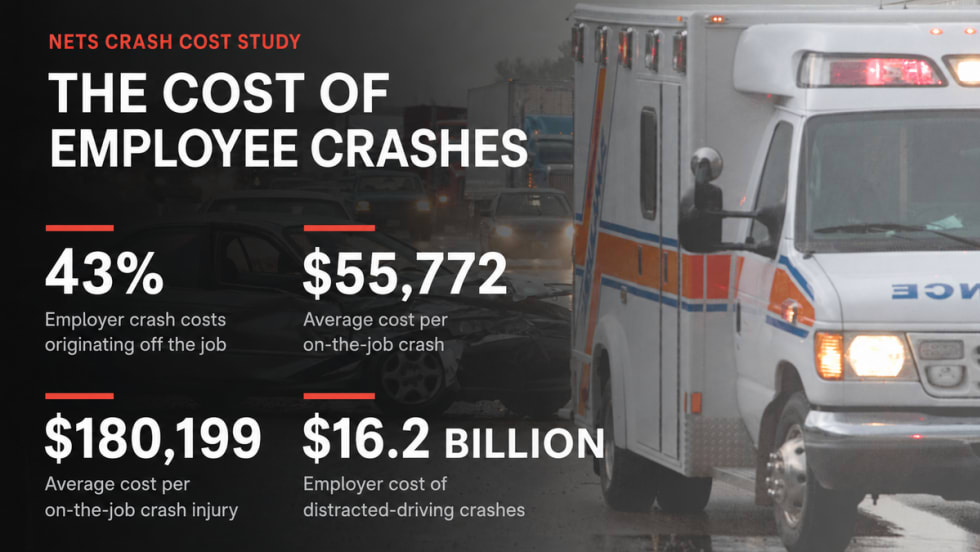
Off-the-Job Crashes Account for 43% of Employers’ $61.7 Billion Crash Burden
NETS quantifies costs dispersed across fleet, risk, HR, and other departments while providing new per-crash benchmarks for employers.
Read More →
Ram Recalls More Than 1.27 Million 1500 Pickups for Seat Belt Anchor Issue
The recall affects certain 2019-2026 Ram 1500 pickups that may have improperly attached second-row seat belt buckle anchors.
Read More →
How Better Visibility Cut Speeding Violations by 48%
Fleet leaders don't need more data, they need clearer visibility into what the data is saying. This case study explores how one utility replaced speeding-event counts with a single metric — miles driven in violation — to strengthen safety and significantly reduce speeding violations.
Read More →
Operation Safe Driver Week: Why the Industry's Oldest Safety Campaign Still Matters to Fleets
A look at how a 2007 enforcement initiative became one of the most consequential weeks on the fleet safety calendar, and what it means for your drivers in 2026.
Read More →
Nexar-Nauto Merger Aims to Give Fleets Better Safety Intelligence Through Larger Driving Dataset
Stefan Heck tells Automotive Fleet that combining more than 10 billion miles of driving history with Nexar's AI models will give fleets deeper insights into driver risk and roadway conditions than either company could provide independently.
Read More →
From Silos to Solutions: Relationship Management for Safer Fleets
From telematics adoption and driver accountability to policy consistency and risk mitigation, this episode breaks down what it really takes to build a safer fleet culture without slowing business down.
Read More →
IIHS Launches First Commercial Vehicle Safety Evaluations
The Insurance Institute for Highway Safety has begun evaluating heavy-duty pickups and cargo vans for driver protection. Which models earned top marks?
Read More →
Reducing Risk by Eliminating Phone Use Behind the Wheel
Hosted with the cofounder of Lifesaver Mobile, this episode addresses phone use behind the wheel and how to design a driving environment that actually helps prevents accidents.
Read More →