




Mazda Develops Eco-Friendly Paint System
TOKYO, JAPAN --- Mazda Motor Corp. said its newly developed Aqua-tech Paint System for vehicle body painting features new technology limiting emissions of volatile organic compounds (VOC) contained in paint as well as carbon dioxide (CO2) gas generated from the energy consumed during the vehicle painting process.
TOKYO, JAPAN --- Mazda Motor Corp. said its newly developed Aqua-tech Paint System for vehicle body painting features new technology limiting emissions of volatile organic compounds (VOC) contained in paint as well as carbon dioxide (CO2) gas generated from the energy consumed during the vehicle painting process.
The Aqua-tech Paint System maintains the same low CO2 emissions volume as the Three Layer Wet Paint System, the automaker's paint system currently installed at all of its production facilities in Japan, and reduces VOC emissions by a further 57 percent, Mazda said.
Water-based paints tend to produce far lower VOC emissions than solvent-based paints due to their low VOC content. However, drying water-based paint consumes much more energy because the water must be evaporated through a drying process. The large amounts of carbon dioxide produced during this process have long been an issue associated with water-based paint systems. Mazda said it has solved this problem with the introduction of new coating technology.
The Aqua-tech technology includes the introduction of an improved paint shop air conditioning system and a new evaporation system that removes the water contained in the paint. In addition, Mazda has consolidated the coating processes by developing top coat paints with additional properties usually provided by the primer paint. These include brightness, durability and resistance to chipping and light damage, Mazda said. As a result of these technical breakthroughs, the paint system achieves extremely low VOC emissions without increasing CO2 volume.
More Green Fleet

EV Charging Use Is Outpacing Infrastructure Growth
ChargePoint’s 2026 Charging Forward Report points to rising charger use, higher-powered charging, commercial vehicle electrification, and energy-management technology. Here’s what fleets should know.
Read More →
Merchants Fleet Reports 290M EV Miles as Fleets Navigate Changing Electrification Market
From millions in operating savings to hundreds of millions of EV miles, Merchants Fleet’s latest report reveals what’s working and what’s changing in fleet electrification.
Read More →
The EV Breakdown Nobody's Talking About: Why Most Electric Vehicle Roadside Calls Aren't Mechanical Failures
Here's why EV breakdowns are widely misunderstood.
Read More →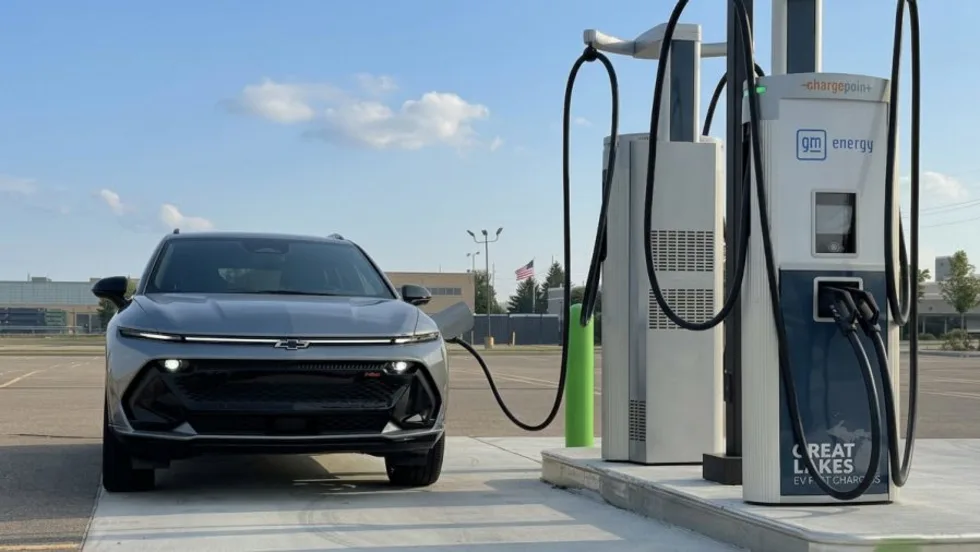
ChargePoint Now Available in Energy Pass
ChargePoint and additional planned charging network integrations were added to GM's Energy Pass.
Read More →

First Look: Slate Auto's Electric Fleet Pickup
Could an affordable, modular EV pickup make electrification more practical for fleets?
Read More →
Slate Debuts Colorful, Unique EV Models
A recent media and client event, studded with electric vehicles dressed up on platforms, planted a new position for the manufacturer in the wider EV market. Fleets will find cost-saving advantages.
Read More →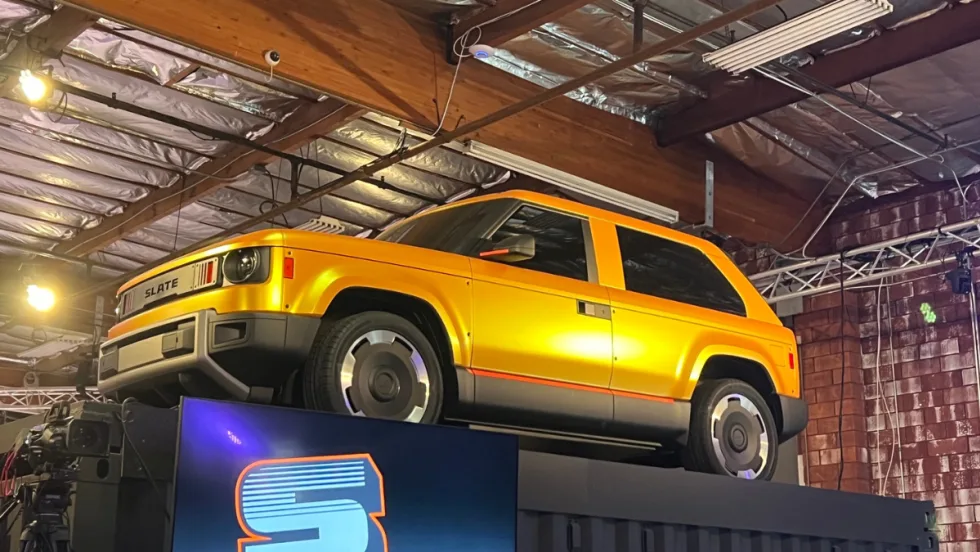
Slate Electric SUV, Pickup Switchable Model Aims For Light-Duty Fleets
Everything about this EV is counterintuitive and understated, making it stand out from the crowd.
Read More →
Inspiration Mobility Acquires Key Electrada Assets
Inspiration Mobility Group has acquired select assets of Electrada, adding the fleet electrification provider's team, technology, and charging infrastructure development capabilities to its energy management business.
Read More →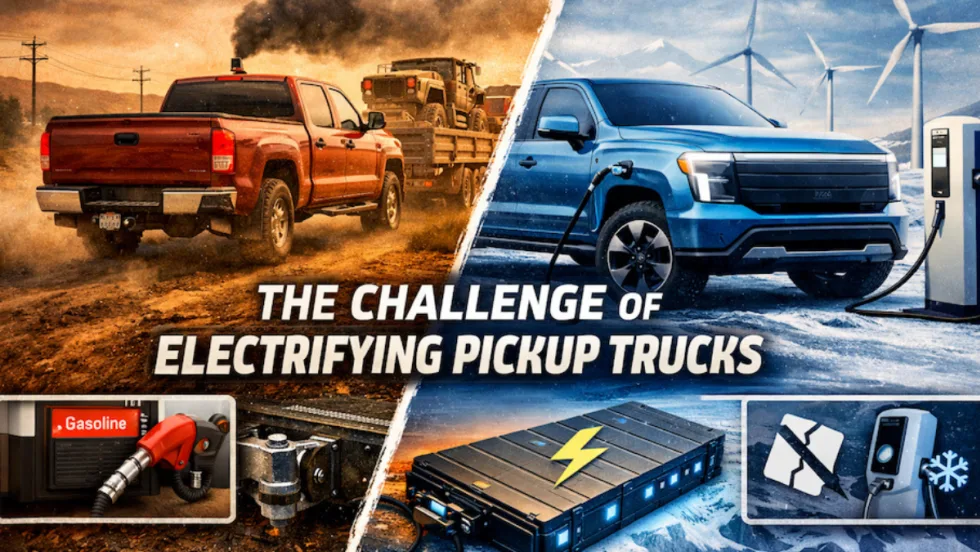
Why America’s Most Popular Vehicle is So Hard to Electrify
Turning America’s favorite workhorse electric means balancing range, payload, charging infrastructure, and price, an equation automakers are still trying to solve.
Read More →