




Mazda Announces Fuel-Efficiency Initiatives
HIROSHIMA, Japan — Mazda Motor Corp. announced it is setting its sights on reducing the fuel consumption of Mazda vehicles sold globally by an average 30 percent by 2015.
HIROSHIMA, Japan — Mazda Motor Corp. announced it is setting its sights on reducing the fuel consumption of Mazda vehicles sold globally by an average 30 percent by 2015.
This goal will be met using lightweight technologies, the upgrade of almost all of Mazda's gasoline engines, introducing a Smart Idle Stop System, a new gasoline rotary engine and new diesel engines worldwide. By 2015, Mazda will have renewed almost its entire powertrain lineup. From 2011, through steadily developing safe, lightweight, new-generation platforms, the company aims to reduce the weight of its new vehicles by 100 kilograms or more.
In the seven years from 2001 to 2008, the average fuel economy of Mazda vehicles sold in the Japanese market increased by approximately 30 percent. In 1991, the company embarked on a long-term project to develop vehicles powered by hydrogen technology, thereby participating in the search for sustainable transportation solutions, which still continues today.
Mazda saw its hydrogen powertrain efforts progress in June 2008 when the Mazda5 Hydrogen RE Hybrid received the green light from the Japanese government to begin testing on public roads. The Mazda5 Hydrogen RE Hybrid (known as the Premacy Hydrogen RE Hybrid in Japan) offers 40 percent more power and an extended hydrogen driving range of 200 kilometers. It will be available for commercial lease in Japan during the 2008 fiscal year. Moreover, Mazda is progressing with the development of an all-new Hydrogen RE vehicle with dynamic performance equivalent to a 3.0-liter gasoline engine and a hydrogen range of 400 kilometers.
The next technological milestone for Mazda will be the introduction of the mass-production version of its Smart Idle Stop System into one of its cars in 2009. This idle stop system restarts the engine from idle by injecting fuel directly into the cylinder and igniting it to force the piston down, enabling a fast and quiet restart as well as an improvement in fuel economy by up to seven to eight percent. The system will initially appear in Japan and Europe; however, it will be rolled out worldwide.
In 2009, an E85 fuel-compatible flex-fuel engine will be introduced into the Northern European and North American markets. From 2011 onwards, new gasoline engines will incorporate next-generation Direct Injection Spark Ignition and other systems to boost power by 15 to 20 percent and improve fuel economy by approximately 20 percent.
Beginning in 2011, Mazda plans to introduce new diesel engines worldwide that meet future exhaust gas regulations in each market. These engines will feature next-generation direct injection technology, turbocharging systems and NOx reduction technology, which will enhance fuel economy by 20 percent and produce cleaner exhaust gases.
Mazda's gasoline rotary engine will be substantially upgraded in the early 2010s. Currently referred to as the 16X, the next rotary engine will offer substantially improved performance and economy through use of Direct Injection Spark Ignition and high-speed combustion technology, enfolded in new rotary dimensions.
More Green Fleet

EV Charging Use Is Outpacing Infrastructure Growth
ChargePoint’s 2026 Charging Forward Report points to rising charger use, higher-powered charging, commercial vehicle electrification, and energy-management technology. Here’s what fleets should know.
Read More →
Merchants Fleet Reports 290M EV Miles as Fleets Navigate Changing Electrification Market
From millions in operating savings to hundreds of millions of EV miles, Merchants Fleet’s latest report reveals what’s working and what’s changing in fleet electrification.
Read More →
The EV Breakdown Nobody's Talking About: Why Most Electric Vehicle Roadside Calls Aren't Mechanical Failures
Here's why EV breakdowns are widely misunderstood.
Read More →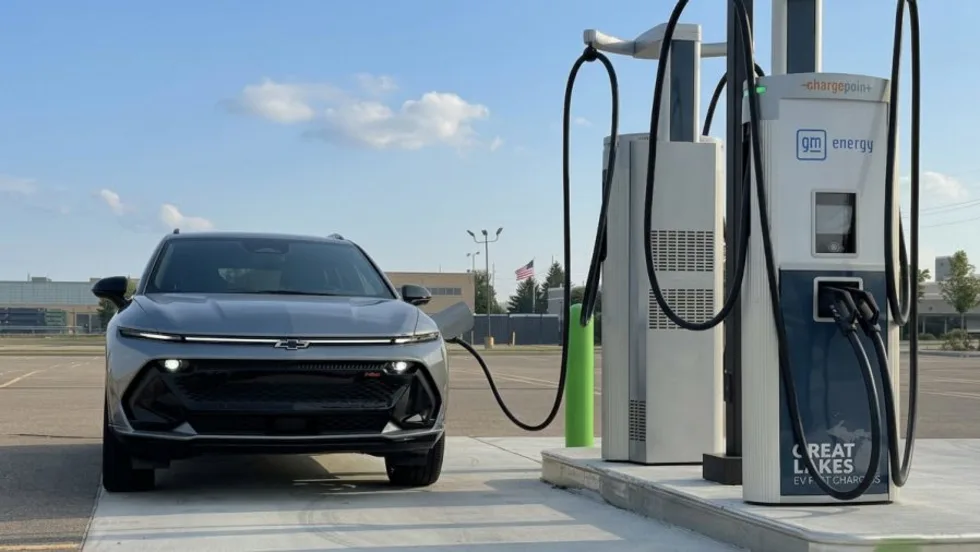
ChargePoint Now Available in Energy Pass
ChargePoint and additional planned charging network integrations were added to GM's Energy Pass.
Read More →

First Look: Slate Auto's Electric Fleet Pickup
Could an affordable, modular EV pickup make electrification more practical for fleets?
Read More →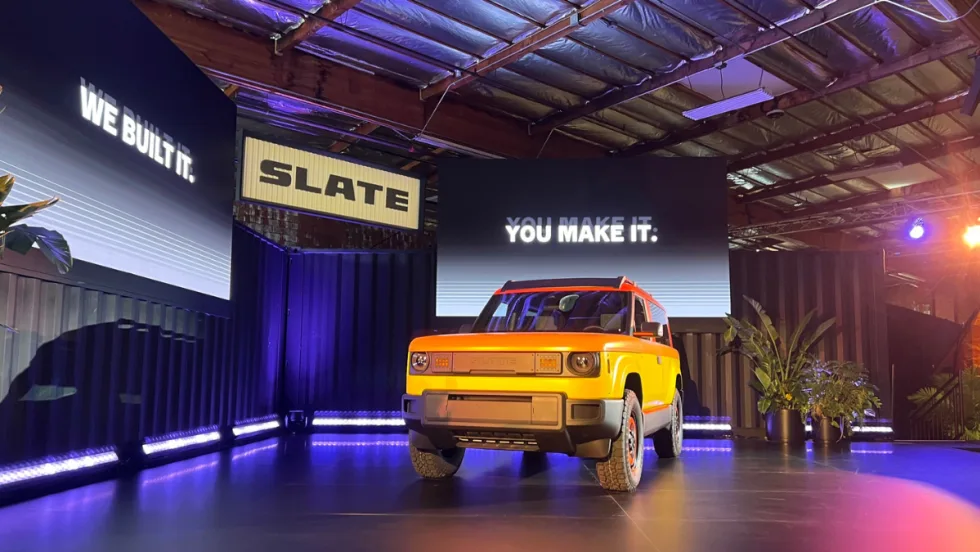
Slate Debuts Colorful, Unique EV Models
A recent media and client event, studded with electric vehicles dressed up on platforms, planted a new position for the manufacturer in the wider EV market. Fleets will find cost-saving advantages.
Read More →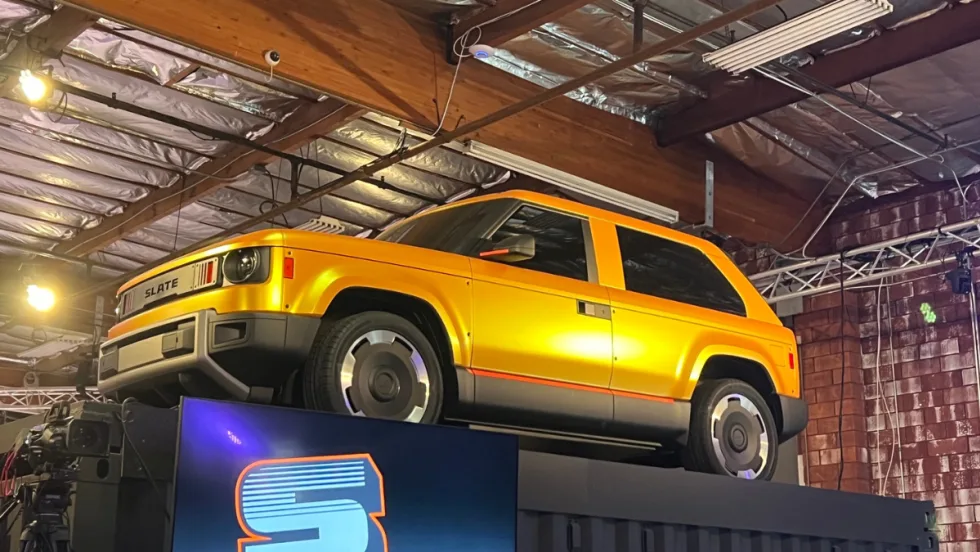
Slate Electric SUV, Pickup Switchable Model Aims For Light-Duty Fleets
Everything about this EV is counterintuitive and understated, making it stand out from the crowd.
Read More →
Inspiration Mobility Acquires Key Electrada Assets
Inspiration Mobility Group has acquired select assets of Electrada, adding the fleet electrification provider's team, technology, and charging infrastructure development capabilities to its energy management business.
Read More →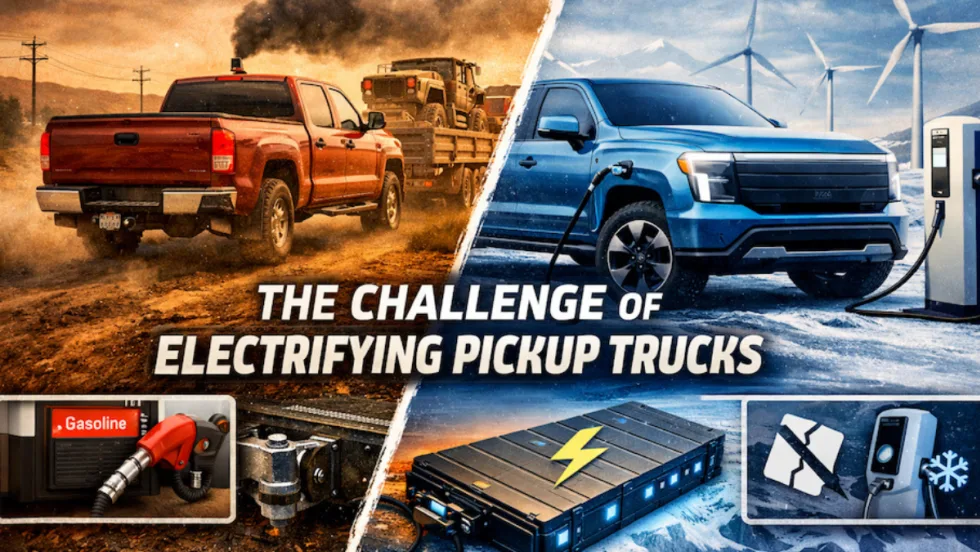
Why America’s Most Popular Vehicle is So Hard to Electrify
Turning America’s favorite workhorse electric means balancing range, payload, charging infrastructure, and price, an equation automakers are still trying to solve.
Read More →