




March Cold Snap in the UK Highlights Importance of Cold-Weather Tires
Following the UK's coldest March in 40 years, a new study highlights the importance of cold-weather tires for better handling, cornering, and braking.
Following the coldest March in 40 years, chilling statistics released by ATS Euromaster in its annual Winter Weather Study showed that temperatures dropped below seven degrees Celsius during prime commuting hours on 173 separate days between 1 October 2012 and 31 March 2013.
The statistics cover temperatures in 10 major UK cities from 7am till 9am and 4pm till 6pm. The detailed weather analysis also revealed that parts of the UK were covered under a blanket of snow for 44 separate days during the six month period.
The figures, commissioned annually by tire experts ATS Euromaster from the Met Office, highlight the importance of fitting cold weather tires, as the specialist tires offer greatly improved grip, handling, cornering and reduced braking distances when the temperature drops below seven degrees Celsius, which it did for 95 percent of the six months measured.
Peter Fairlie, group sales director at ATS Euromaster, noted: “The UK faced one of the coldest winters in recent years and driving conditions have been treacherous for many motorists travelling on roads covered in ice and snow. In fact the UK only experienced nine days out of the whole six month period where cold weather tires wouldn’t have made driving safer in at least one of the 10 major cities we studied.”
Of the 10 cities analyzed, Newcastle upon Tyne recorded the highest number of days when commuter time temperatures dipped below seven degrees Celsius with 162, compared to the 129 reported in 2011/2012’s Winter Weather Study. Aberdeen had the second highest number with 159 days, 41 days more than last year, and London was the city with the fewest days, with 120, but still accounting for 66 per cent of the six month period.
Newcastle was also the city with the deepest level of snowfall, with 25cm being recorded on 26 January, while Aberdeen had 12 days of consecutive snow covering in January 2013.
The month with the highest average number of days recorded below seven degrees Celsius during prime commuting times was March 2013, with 30 days. December 2012 was the second highest with 27 days, while October was the lowest with 15 days, but still more than double the number 12 months earlier.
The change out of the seasonal tires has continued to grow amongst retail customers and fleets, according to ATS Euromaster.
“It’s now the exception, rather than the norm, to find a supermarket home delivery or ‘blue light’ fleet not fitting cold weather tires to the majority of its vehicles,” Fairlie said. “These organizations have led the market in becoming early-adopters, closely followed by utilities fleets and other businesses and individuals which can’t afford for vehicles to be parked up during a harsh winter. A lot of customers were skeptical about changing tires at first, but the frequency with which we are having harsh winters reinforces the safety and mobility benefits, and explains why take-up is increasing every year.”
The direct benefits of cold weather tires start as soon as the temperature drops below seven degrees Celsius, when the performance of regular “summer” tires deteriorates. As a result of the cold, the rubber becomes harder and less “elastic.” This means that the tires suffer from reduced grip and braking ability, and offer a less comfortable ride, according to ATS Euromaster.
More Global Fleet

GeoFencing Adds to Your Truck Security Arsenal
Geofencing is a familiar fleet tool today, but its early adoption marked a major shift in vehicle tracking, route monitoring, and the debate over employee privacy.
Read More →
Holman Takes Full Ownership of ARIZA in Mexico
Holman is bringing its Mexican fleet management operation fully under its own brand after more than 30 years as a joint venture. The change gives multinational fleet customers a single Holman operation across the U.S., Canada, and Mexico.
Read More →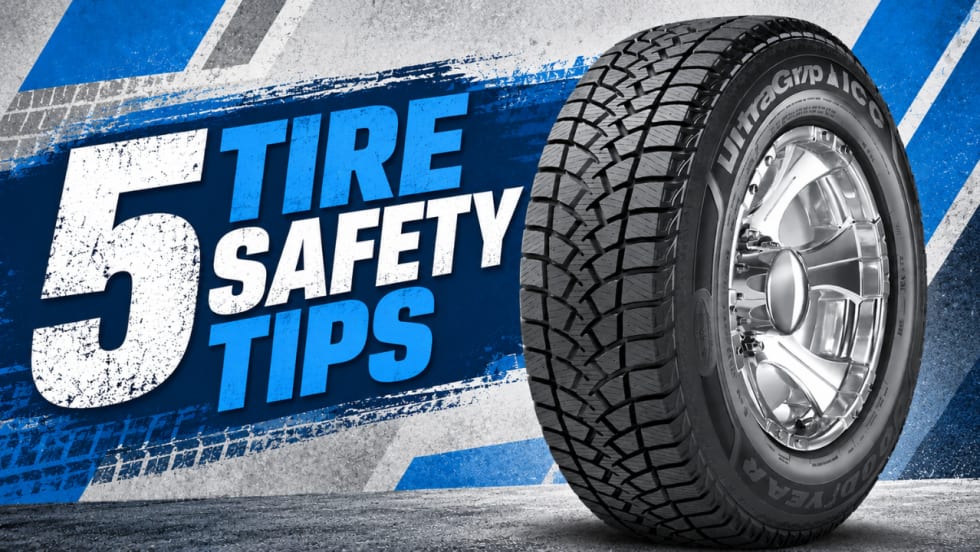
5 Tire Maintenance Tips to Help Prevent Work Truck Downtime
Regular tire checks can do more than extend tread life. These five maintenance practices can help work truck fleets catch problems early, reduce costs, and prevent downtime.
Read More →

Proven Ways to Reduce Work Truck Downtime
The age-old problem of downtime will always be a reality, but with new strategies at hand, fleets have more ways to keep trucks on the road longer.
Read More →


Cameras, Safety and Insurance: From Reactive Claims to Real-Time Prevention (Part 2 of 2)
Part Two: Commercial auto remains one of the most challenging and costly lines of coverage for fleet operators and insurers alike. Continue learning more about how to effectively address these issues from Onur Aksan, Enterprise Business Development Executive, Geotab
Read More →
Cameras, Safety and Insurance: From Reactive Claims to Real-time Prevention
Commercial auto remains one of the most challenging and costly lines of coverage for fleet operators and insurers alike. Learn more about how to effectively address these issues from Onur Aksan, Enterprise Business Development Executive, Geotab.
Read More →
Fleet Costs Are Rising: Here’s How Leaders Are Responding
Fleet leaders are under pressure to reduce costs, adapt to economic uncertainty, and make smarter decisions. See how peers across North America are responding with real data, proven strategies, and forward-looking insights. Download the 2026 Market Pulse Report to benchmark your strategy and uncover where you can gain an edge.
Read More →
Enterprise Fleet Management Surpasses 900,000 Vehicles in U.S. & Canada
Enterprise Mobility connects with mobility solutions around the globe
Read More →