




Lotus 'Safe & Sound' System Makes Quiet Vehicles Audible
UNITED KINGDOM – Lotus Engineering's system synthesizes external sound on electric and hybrid vehicles to make them more audible to pedestrians and cyclists.
UNITED KINGDOM – Due to the almost silent operation of hybrid and electric vehicles running on electric power at slow speeds, blind and partially sighted pedestrians may be at risk while crossing roads or walking through parking lots since they cannot hear the vehicles as they approach, according to CNET News.
Lotus Engineering, a name most commonly associated with lightweight sports cars, has developed a system to synthesize external sound on electric and hybrid vehicles to make them more audible to pedestrians and cyclists. A simulation of a real engine sound is used on Lotus' Safe & Sound Hybrid technology demonstrator vehicle, making it instantly recognizable that the vehicle is in motion.
The demonstration vehicle is a Toyota Prius equipped to demonstrate the sound synthesis application. The solution Lotus has devised is a reapplication and development of its Sound Synthesis technology, a suite of technologies originally designed to reduce the amount of cabin noise in a conventional motor vehicle by using active sound cancellation.
An artificial engine sound is played through a waterproof loudspeaker in the car's nose, compensating for the lack of engine noise emitted by the vehicle when running on an electric motor. Because it's just a speaker, Lotus can make any sound they want, but they've stuck to using an existing engine sound that makes the vehicle instantly recognizable, with the pitch and frequency helping to identify its distance and speed. Front-facing speakers mean that once the vehicle has passed, the sound is no longer heard.
In electric-only vehicles, the system is always on, but for hybrids the system only operates when the vehicle is using electric power. If the hybrid's engine starts operating — either at higher speeds, higher throttle demands, or lower battery levels — the control system automatically stops the external synthesis. It is all completely automatic and, according to Lotus, the driver hears almost none of the additional sound.
More Safety

Top 50 Executive Fleets
It is that time of year again! Time for the 2026 list of the Top 50 Executive Fleets, presented by Automotive Fleet and Volvo as part of its annual Fleet 500. Download now to see this year's list of companies!
Read More →
How Better Visibility Cut Speeding Violations by 48%
Fleet leaders don't need more data, they need clearer visibility into what the data is saying. This case study explores how one utility replaced speeding-event counts with a single metric — miles driven in violation — to strengthen safety and significantly reduce speeding violations.
Read More →
Operation Safe Driver Week: Why the Industry's Oldest Safety Campaign Still Matters to Fleets
A look at how a 2007 enforcement initiative became one of the most consequential weeks on the fleet safety calendar, and what it means for your drivers in 2026.
Read More →
Nexar-Nauto Merger Aims to Give Fleets Better Safety Intelligence Through Larger Driving Dataset
Stefan Heck tells Automotive Fleet that combining more than 10 billion miles of driving history with Nexar's AI models will give fleets deeper insights into driver risk and roadway conditions than either company could provide independently.
Read More →
From Silos to Solutions: Relationship Management for Safer Fleets
From telematics adoption and driver accountability to policy consistency and risk mitigation, this episode breaks down what it really takes to build a safer fleet culture without slowing business down.
Read More →
IIHS Launches First Commercial Vehicle Safety Evaluations
The Insurance Institute for Highway Safety has begun evaluating heavy-duty pickups and cargo vans for driver protection. Which models earned top marks?
Read More →
Reducing Risk by Eliminating Phone Use Behind the Wheel
Hosted with the cofounder of Lifesaver Mobile, this episode addresses phone use behind the wheel and how to design a driving environment that actually helps prevents accidents.
Read More →
Cameras, Safety and Insurance: From Reactive Claims to Real-Time Prevention (Part 2 of 2)
Part Two: Commercial auto remains one of the most challenging and costly lines of coverage for fleet operators and insurers alike. Continue learning more about how to effectively address these issues from Onur Aksan, Enterprise Business Development Executive, Geotab
Read More →
How 5-Second Telematics Data Is Changing Fleet Safety
This episode connects with Steve Santostasi of Ford Pro and covers how a few seconds of data can make a difference in fleet safety.
Read More →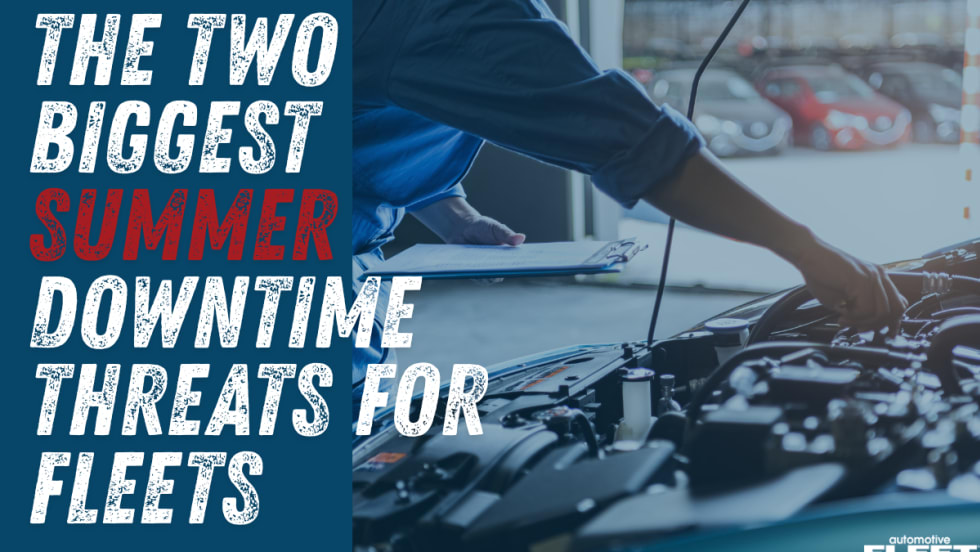
The Two Biggest Summer Downtime Threats for Fleets
A conversation with a maintenance expert reveals the two most common summer maintenance pains and how to prevent them.
Read More →