




Lincoln MKX to Get Tires from Hankook
Hankook Tire has been selected as an original equipment (OE) supplier for the 2016 Lincoln MKX with its 20-inch Ultra High Performance All Season Ventus S1 noble.

Photo courtesy of Hankook Tire.

Photo courtesy of Hankook Tire.
Hankook Tire has been selected as an original equipment (OE) supplier for the 2016 Lincoln MKX with its 20-inch Ultra High Performance All Season Ventus S1 noble.
The Ventus S1 noble supplied for the MKX, in size 245/50R20, was developed for drivers seeking a comfortable driving experience. An asymmetric four channel rib design provides efficient water evacuation while an advanced silica rubber compound offers impressive wet and dry handling, braking and lower rolling resistance along with higher durability for increased performance and control.
The new original equipment agreement marks the fourth OE fitment for Ford’s premium Lincoln brand following previous Hankook fitments for the MKT, MKZ and Navigator. Through this continued partnership, Hankook Tire has been able to position itself worldwide as a global tire brand with superior and cutting-edge tire technology.
Hankook Tire diversifies its premium OE portfolio through agreement with Lincoln MKX. Along with its full spectrum of OE supply agreements embracing form SUV to sedans, Hankook Tire continues to expand its premium OE portfolio.
More Maintenance

Fleet Manager’s Ultimate Playbook: Navigating the New Standard in OEM Connectivity
Rising operating costs, driver safety concerns, and unplanned downtime are putting unprecedented pressure on modern fleets. Discover how fleet managers use embedded OEM connectivity and real-time vehicle data to cut TCO, prevent downtime, and protect drivers without aftermarket telematics hardware.
Read More →
How Can Fleet Managers Tell Which Repairs Require Closer Review?
Fleetio’s Brianna Perry demonstrates how Service Advisor evaluates maintenance requests, identifies pricing anomalies, and provides the context fleet managers need to focus their attention on potential problems.
Read More →
Why Roadside Assistance Belongs in a Fleet Risk Strategy
Roadside assistance is more than a tow. See how the right partner can protect drivers, uncover fleet trends, and strengthen your risk strategy.
Read More →
Hidden in Plain Sight: Fleet Compliance Risks
Fleet compliance isn't just about having policies — it's about consistently enforcing them. This practical guide reveals six hidden compliance risks common in public sector and shared fleet operations and outlines proven strategies to improve visibility, accountability, and audit readiness
Read More →
How Maintenance Costs Compare Across 27 Fleet Vehicles
Vincentric’s three-year, 60,000-mile projections reveal wide differences for both scheduled and unscheduled maintenance among selected vehicle categories. Projected maintenance visits also play a factor.
Read More →
The EV Breakdown Nobody's Talking About: Why Most Electric Vehicle Roadside Calls Aren't Mechanical Failures
Here's why EV breakdowns are widely misunderstood.
Read More →
How Stellantis Plans to Get Ahead of Fleet Downtime
Keeping fleet vehicles on the road has become as important as buying them. Darren Bradshaw of Mopar North America explains how connected vehicle data, AI, and proactive service strategies are helping Stellantis reduce downtime and move closer to predictive maintenance.
Read More →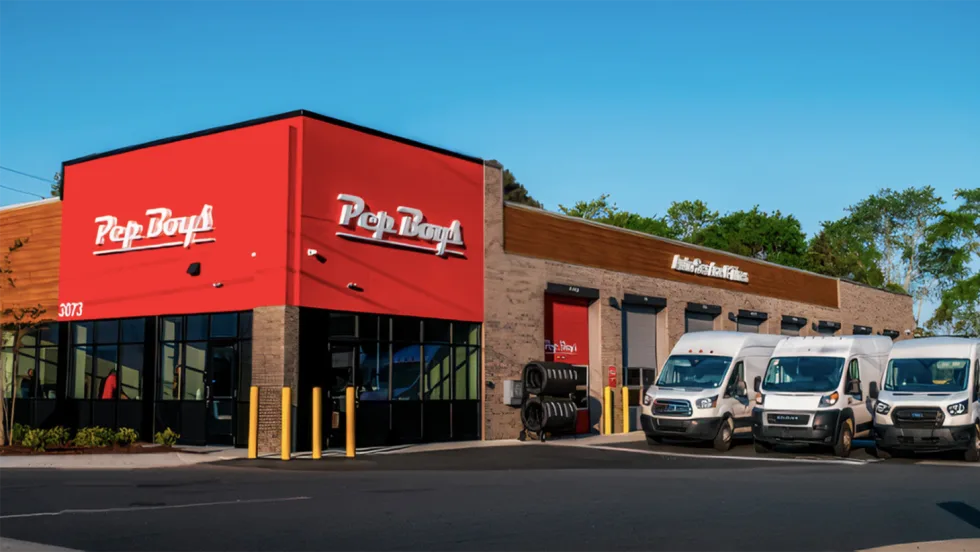
Merchants Fleet Expands Maintenance Network with Pep Boys
Merchants Fleet has expanded its relationship with Pep Boys, increasing the service provider's role within its national maintenance network. The move is intended to enhance maintenance coordination and support commercial fleets through Pep Boys' nationwide footprint.
Read More →
The Two Biggest Summer Downtime Threats for Fleets
A conversation with a maintenance expert reveals the two most common summer maintenance pains and how to prevent them.
Read More →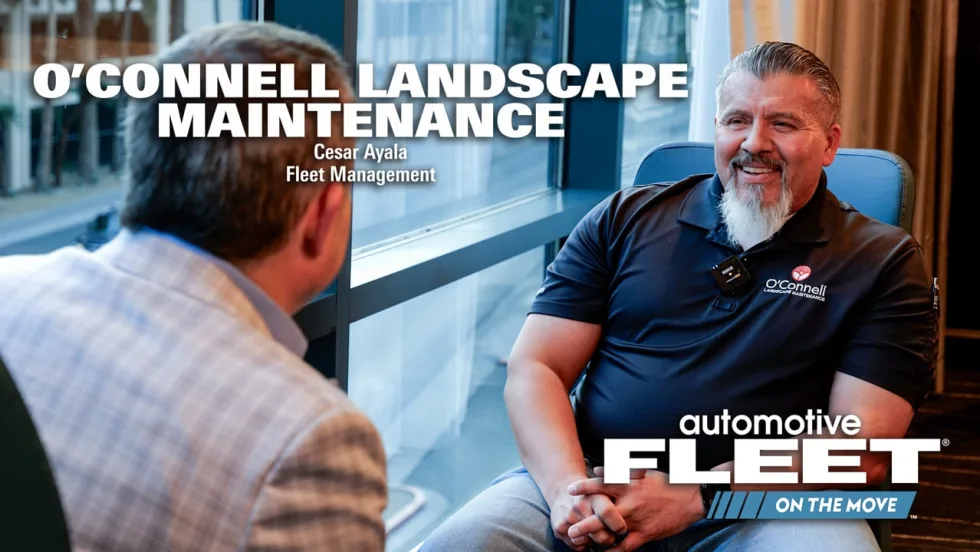
From Marine Corps Motor Pool to Managing 460 Fleet Vehicles
Cesar Ayala of O’Connell Landscape Maintenance shares how he transitioned from the Marine Corps to managing a 460-vehicle fleet—and the real-world challenges of maintenance, compliance, and driver management in California.
Read More →