




Kansas DOT: Salt for Roads in High Demand
TOPEKA, KS --- Salt supplies for roadways during inclement winter weather are in short supply compared to previous winters, according to Peter Carttar, assistant bureau chief in construction and maintenance for the Kansas Department of Transportation (KDOT).
TOPEKA, KS --- Salt supplies for roadways during inclement winter weather are in short supply compared to previous winters, according to Peter Carttar, assistant bureau chief in construction and maintenance for the Kansas Department of Transportation (KDOT).
"There were so many wide-ranging snow and ice storms the last two winters across the entire Midwest, KDOT is now forced to compete against other DOTs, city and county maintenance departments for salt," Carttar said. "It's a limited resource and everyone is trying to stock up on salt."
KDOT began early this summer to restock its salt domes across the state. However, there have been delays in deliveries, Carttar said. "KDOT will need to be conservative with salt use so that materials are available throughout the winter," he added.
Carttar said KDOT uses various techniques and technologies in its fight against inclement winter weather. A few examples include:
-- Salt brine pretreatment of bridges and certain roadways when conditions are appropriate. This technique works to prevent snow and ice from bonding to the pavement, which makes it easier to remove both during and after the storm.
-- Road Weather Information Systems (RWIS) technology that uses remote sensors across the state to measure air and pavement temperatures, wind speed, visibility and other pavement conditions to give maintenance crews better information on conditions and weather forecasters better information for their forecasts.
-- Salt spreader control equipment in trucks to help monitor and control how much salt is being put on the road for maximum effectiveness.
-- Maintenance Decision Support System (MDSS) research to assist maintenance workers in choosing the right maintenance action at the right time and to provide real-time information throughout and after a storm.
The KDOT said it is studying these and other methods and technology to identify potential for improvement. In addition, the department said, Kansas motorists can also help in the efforts. "Call 511 Travel Info on the KDOT website before you go," Carttar said. "Stay off the roads as much as possible during inclement weather. But if you are traveling, always buckle up, reduce your speed and give our crews on the highways extra room. Driving safely is everyone's job."
More Safety

Nexar-Nauto Merger Aims to Give Fleets Better Safety Intelligence Through Larger Driving Dataset
Stefan Heck tells Automotive Fleet that combining more than 10 billion miles of driving history with Nexar's AI models will give fleets deeper insights into driver risk and roadway conditions than either company could provide independently.
Read More →
Don't Wait for a Crisis: 5 Ways to Build Mental Health Into Your Fleet Safety Program
For Suicide Prevention Month, fleet and safety leaders have an opportunity to put mental health where it belongs: at the center of workplace safety.
Read More →
How Camera Data Can Strengthen a Fleet’s Insurance Renewal
Insights from a commercial insurance carrier and a broker show how fleets can turn video telematic data, driver coaching, and improved claims results into a stronger case at insurance renewal.
Read More →
The Safest Fleets Aren’t the Ones with the Most Technology
You’ve made the telematics investment. Here’s how to capture the other half of its value and build the safest fleet on the road.
Read More →
Hidden in Plain Sight: Fleet Compliance Risks
Fleet compliance isn't just about having policies — it's about consistently enforcing them. This practical guide reveals six hidden compliance risks common in public sector and shared fleet operations and outlines proven strategies to improve visibility, accountability, and audit readiness
Read More →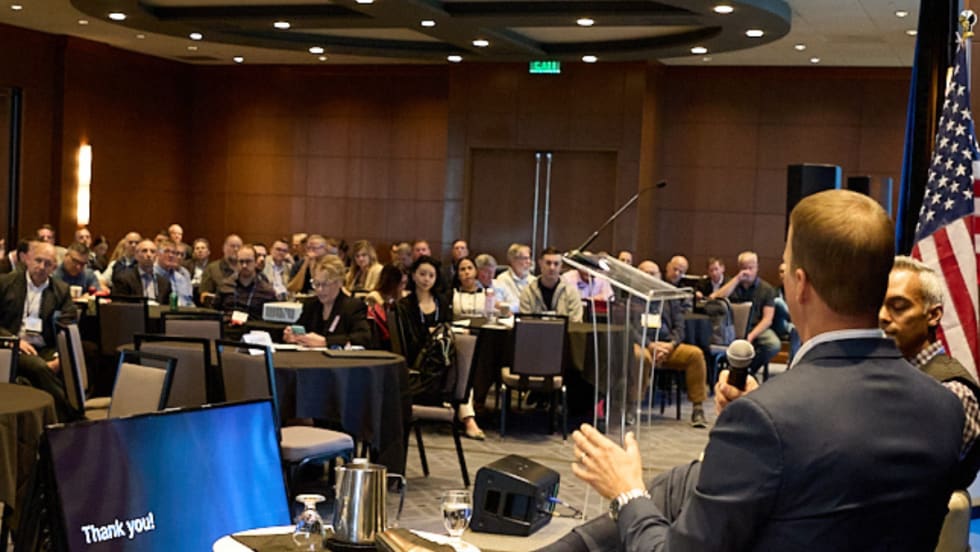
NETS Sets 2026 Fleet Safety Benchmark Conference for Indianapolis
The Sept. 15–17 program will feature fleet benchmarking data, case studies, emerging technologies, and implementation strategies while running alongside the NSC Safety Congress & Expo.
Read More →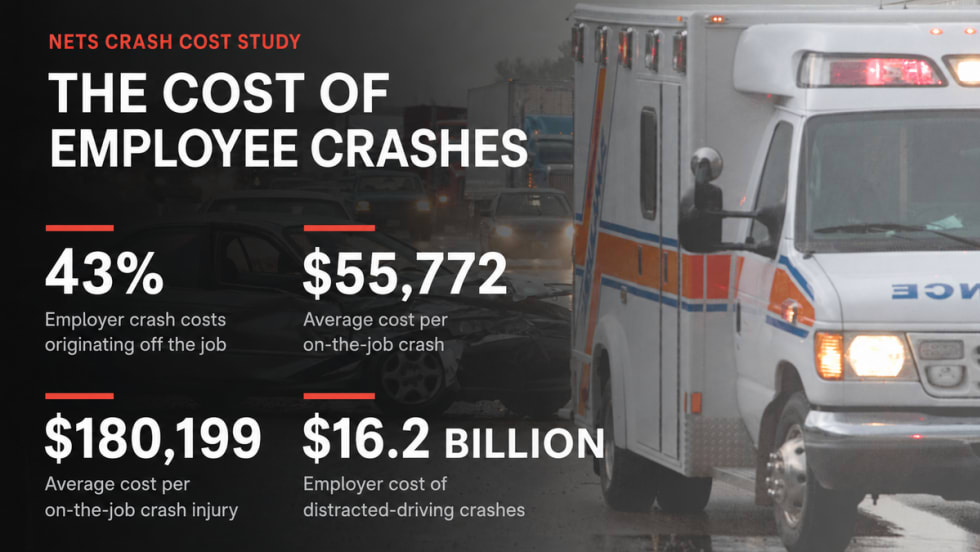
Off-the-Job Crashes Account for 43% of Employers’ $61.7 Billion Crash Burden
NETS quantifies costs dispersed across fleet, risk, HR, and other departments while providing new per-crash benchmarks for employers.
Read More →
Ram Recalls More Than 1.27 Million 1500 Pickups for Seat Belt Anchor Issue
The recall affects certain 2019-2026 Ram 1500 pickups that may have improperly attached second-row seat belt buckle anchors.
Read More →
How Better Visibility Cut Speeding Violations by 48%
Fleet leaders don't need more data, they need clearer visibility into what the data is saying. This case study explores how one utility replaced speeding-event counts with a single metric — miles driven in violation — to strengthen safety and significantly reduce speeding violations.
Read More →
Operation Safe Driver Week: Why the Industry's Oldest Safety Campaign Still Matters to Fleets
A look at how a 2007 enforcement initiative became one of the most consequential weeks on the fleet safety calendar, and what it means for your drivers in 2026.
Read More →