




inthinc Focuses on Driver Behavior to Improve Fleet Safety and Efficiency
SALT LAKE CITY – By integrating inthinc telematics, fleet solutions and driver safety solutions, fleets on average reduce speeding by 86 percent, aggressive driving by 89 percent, crashes by 90 percent and improve seat belt use by 88 percent.
SALT LAKE CITY –inthinc Technology Solutions Inc., a global company centered on telematics, fleet solutions and driver safety solutions, leads the telematics industry in changing and managing driver behavior. A study by the National Highway Traffic Safety Administration (NHTSA) found that driver behavior contributed to over 90 percent of crashes. While many fleets still approach safety with a series of policies and reactive measures, inthinc’s proactive solution verbally coaches drivers in real-time to form safer driving habits.
On average, inthinc has shown to reduce speeding by 86 percent, aggressive driving by 89 percent, crashes by 90 percent and improve seat belt use by 88 percent. In addition, inthinc addresses drivers’ impact on the environment by reducing idle time by 53 percent and carbon emissions by 30 percent on average.
Blood Systems, one of the largest blood service providers in the nation, uses inthinc to reduce risky driving behavior across its fleet of corporate vehicles.
"We had been looking for a system that would help improve fleet management and vehicle safety," said Shane Whitten, corporate safety and fleet manager at Blood Systems. "Following a successful experience in one region, we decided to roll out inthinc to our entire fleet. We are looking forward to driving down costs and increasing safety even further."
inthinc is the only technology that uses in-cab verbal coaching to notify drivers of exactly what they need to do to correct their actions. Verbal notifications are triggered when drivers exhibit unsafe behavior, such as speeding, aggressive turning, hard braking and accelerating, or not wearing a seatbelt. The technology keeps drivers informed in real-time — giving them a grace period to correct their behavior before logging a violation in the web-based management portal — constantly improving driving habits and performance.
"Creating policies does not equate to effecting change; policies cannot stand alone," said Bruce Huber, inthinc vice president of safety services. "Giving drivers direct feedback in real time has proven to be far more successful. This gives poor or mediocre drivers the opportunity to improve their driving by allowing a grace period to fix their actions. It takes time and resources to hire new drivers; it is much easier and more effective to take the drivers you have invested in and coach them to improve their driving habits."
To view inthinc’s in-cab verbal coaching demonstration video, click here.
To download the inthinc Driver Safety Solution overview, click here.
About inthinc
inthinc is a global company centered on telematics, fleet solutions and driving safety. Its breakthrough driving safety solutions are designed to safeguard lives, save money and protect the environment. inthinc technology dramatically improves driver behavior and has been documented to reduce accidents by more than 80 percent. For more information, please visit http://www.inthinc.com.
More Safety

From Driver Well-Being to EV Charging | AF News Recap
Mental health belongs in the fleet safety conversation. This week, we’re looking at five ways fleets can support employee well-being before a crisis, plus Holman’s expansion in Mexico, new one-day Fleet Forward passes, and why EV charging demand is outpacing infrastructure growth.
Read More →
Nexar-Nauto Merger Aims to Give Fleets Better Safety Intelligence Through Larger Driving Dataset
Stefan Heck tells Automotive Fleet that combining more than 10 billion miles of driving history with Nexar's AI models will give fleets deeper insights into driver risk and roadway conditions than either company could provide independently.
Read More →
Don't Wait for a Crisis: 5 Ways to Build Mental Health Into Your Fleet Safety Program
For Suicide Prevention Month, fleet and safety leaders have an opportunity to put mental health where it belongs: at the center of workplace safety.
Read More →
How Camera Data Can Strengthen a Fleet’s Insurance Renewal
Insights from a commercial insurance carrier and a broker show how fleets can turn video telematic data, driver coaching, and improved claims results into a stronger case at insurance renewal.
Read More →
The Safest Fleets Aren’t the Ones with the Most Technology
You’ve made the telematics investment. Here’s how to capture the other half of its value and build the safest fleet on the road.
Read More →
Hidden in Plain Sight: Fleet Compliance Risks
Fleet compliance isn't just about having policies — it's about consistently enforcing them. This practical guide reveals six hidden compliance risks common in public sector and shared fleet operations and outlines proven strategies to improve visibility, accountability, and audit readiness
Read More →
NETS Sets 2026 Fleet Safety Benchmark Conference for Indianapolis
The Sept. 15–17 program will feature fleet benchmarking data, case studies, emerging technologies, and implementation strategies while running alongside the NSC Safety Congress & Expo.
Read More →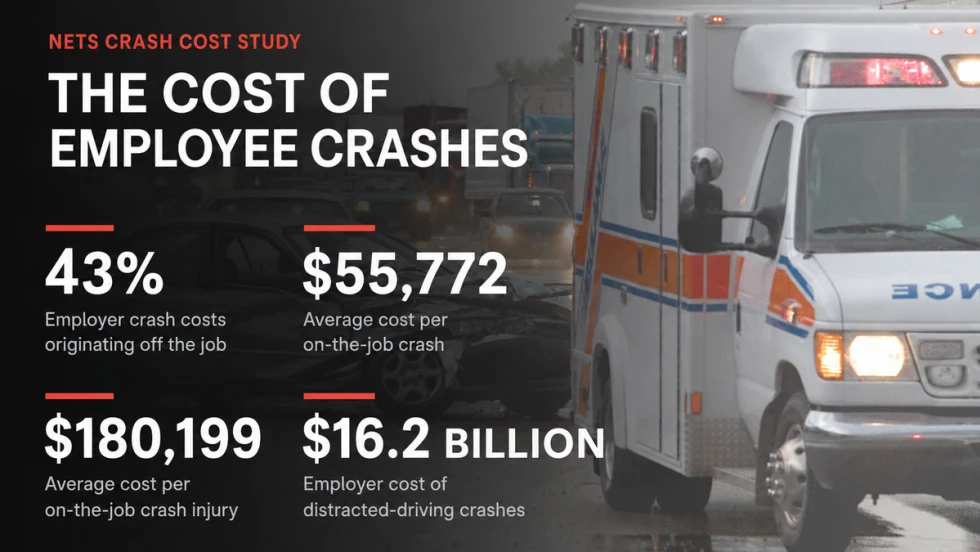
Off-the-Job Crashes Account for 43% of Employers’ $61.7 Billion Crash Burden
NETS quantifies costs dispersed across fleet, risk, HR, and other departments while providing new per-crash benchmarks for employers.
Read More →
Ram Recalls More Than 1.27 Million 1500 Pickups for Seat Belt Anchor Issue
The recall affects certain 2019-2026 Ram 1500 pickups that may have improperly attached second-row seat belt buckle anchors.
Read More →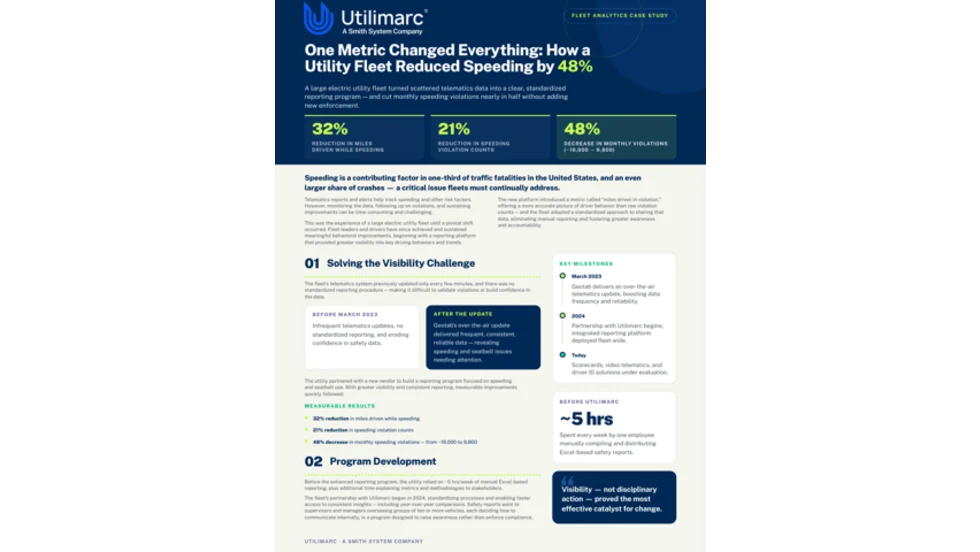
How Better Visibility Cut Speeding Violations by 48%
Fleet leaders don't need more data, they need clearer visibility into what the data is saying. This case study explores how one utility replaced speeding-event counts with a single metric — miles driven in violation — to strengthen safety and significantly reduce speeding violations.
Read More →