




IIHS Creates Safeguard Ratings for Partial Automation
The precise timing of the first set of ratings is uncertain because ongoing supply chain woes in the auto industry have made it more difficult to obtain vehicles for testing.

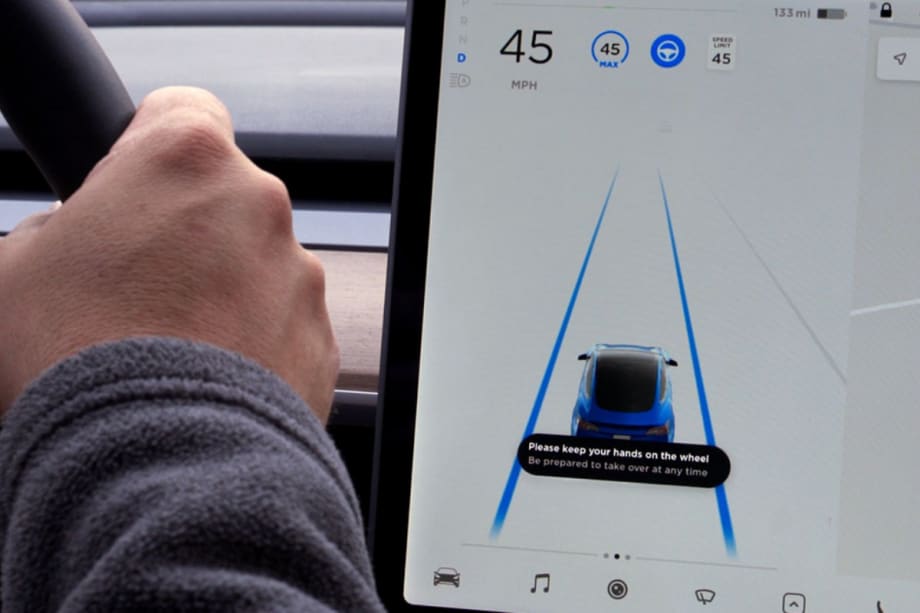
While most partial automation systems have some safeguards in place to help ensure drivers are focused and ready, none of them meets all the pending IIHS criteria.
Photo: IIHS
The Insurance Institute for Highway Safety announced it is developing a new ratings program that evaluates the safeguards that vehicles with partial automation employ to help drivers stay focused on the road.
The safeguards will be rated good, acceptable, marginal or poor. To earn a good rating, systems will need to ensure that the driver’s eyes are directed at the road and their hands are either on the wheel or ready to grab it at all times. Escalating alerts and appropriate emergency procedures when the driver does not meet those conditions will also be required.
IIHS said it expects to issue the first set of ratings in 2022.
“Partial automation systems may make long drives seem like less of a burden, but there is no evidence that they make driving safer,” said David Harkey, IIHS president. “In fact, the opposite may be the case if systems lack adequate safeguards.”
Consumer Reports has announced it will begin awarding points for partially automated driving systems, but only if they have adequate driver monitoring systems, and will factor in IIHS safeguard ratings once they are available.
The new IIHS ratings aim to encourage safeguards that can help reduce intentional and unintentional misuse. They do not address other functional aspects of the systems that could also potentially contribute to crashes, such as how well their cameras or radar sensors identify obstacles.
To earn a good rating, systems should use multiple types of alerts to remind the driver to look at the road and return their hands to the wheel when they’ve looked elsewhere or left the steering unattended for too long.
“Nobody knows when we’ll have true self-driving cars, if ever. As automakers add partial automation to more and more vehicles, it’s imperative that they include effective safeguards that help drivers keep their heads in the game,” said Harkey.
More Fleet Forward
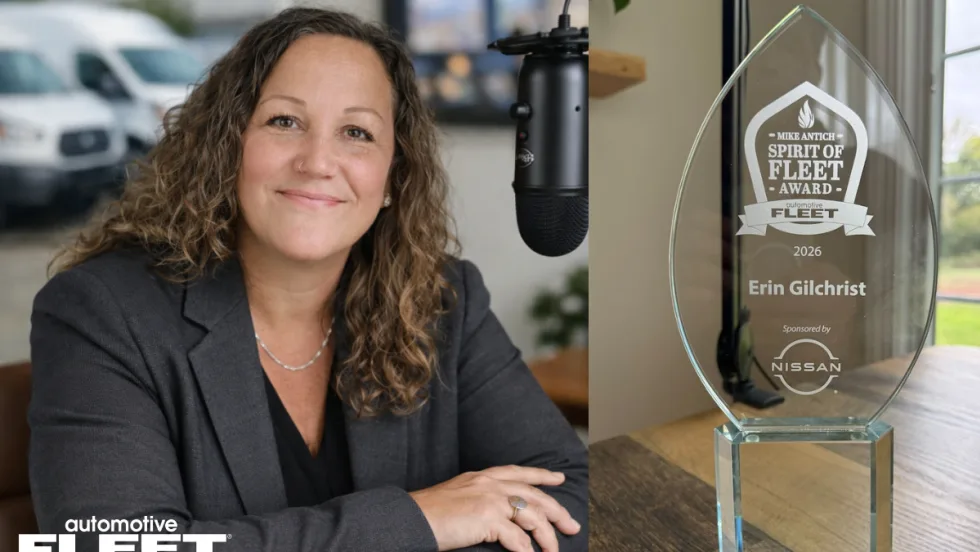
Erin Gilchrist Receives Mike Antich Spirit of Fleet Award
Last week at AFLA in Vegas, Erin Gilchrist received the inaugural, brand-new Spirit of Fleet Award.
Read More →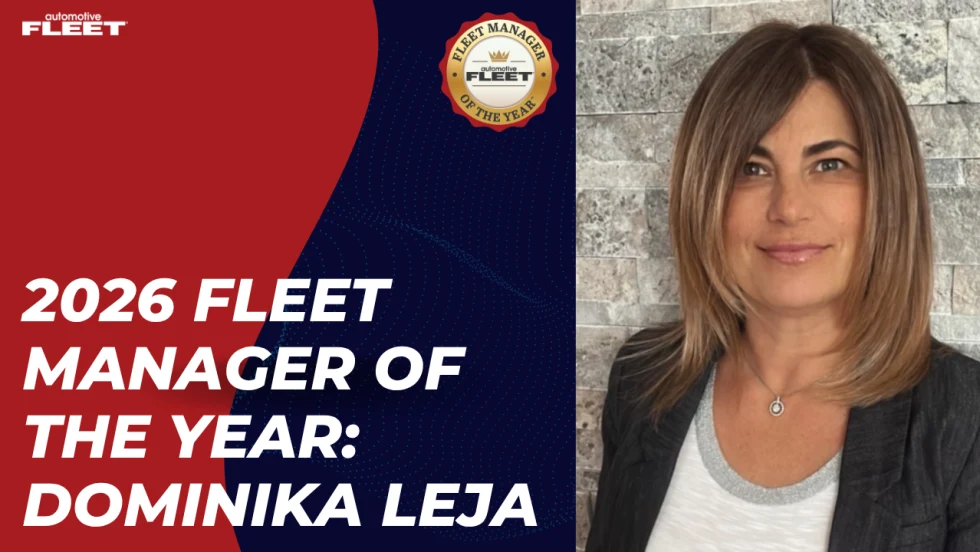
Dominika Leja Named the 2026 Fleet Manager of the Year
The AstraZeneca associate director of fleet was recognized for her leadership in fleet electrification, cost savings, and operational transformation.
Read More →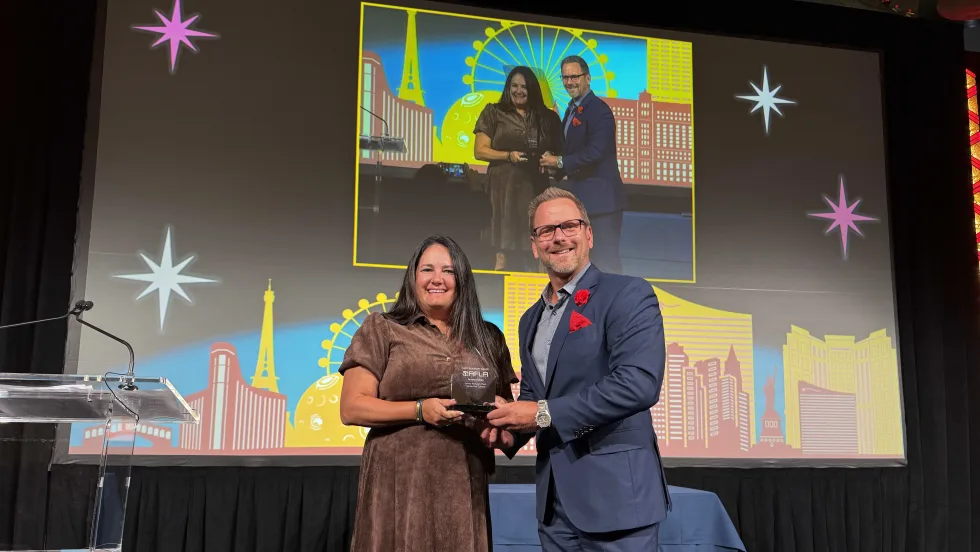
Jamie McKay Named the 2026 Fleet Visionary Award Winner
The Aptive Pest Control fleet manager was recognized for her approach to operations, data, lifecycle management, and driver needs.
Read More →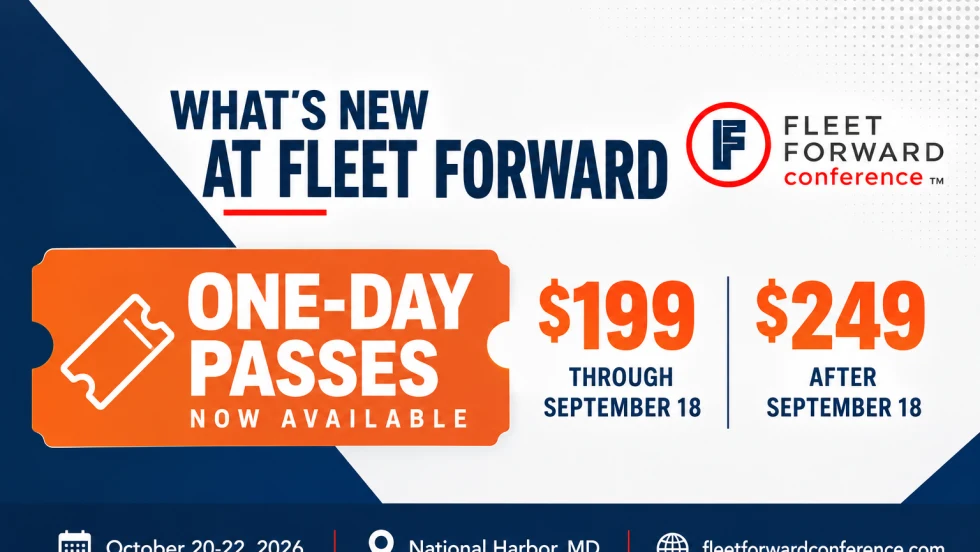
Fleet Forward Conference Introduces One-Day Passes for 2026
New one-day registration gives fleet professionals the flexibility to attend Tuesday, Wednesday, or Thursday, with passes available for $199 through Sept. 18.
Read More →
Vibe Coding: When Fleet Managers Become Software Builders
Five fleet professionals — none with programming skills — discuss how they’re using AI to build fleet solutions in-house and in a fraction of the time.
Read More →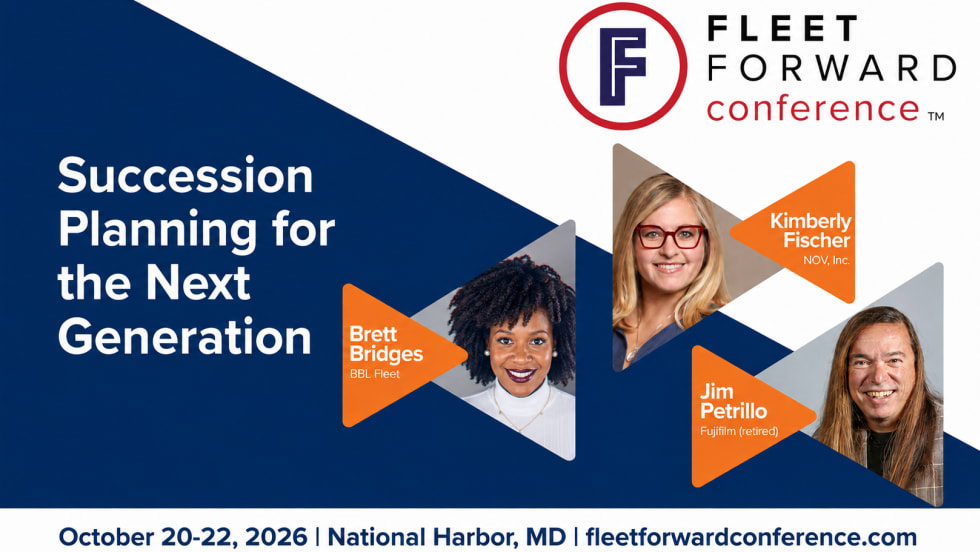
Fleet Forward Conference Tackles Fleet Industry’s Growing Leadership Gap
This session will examine succession planning, knowledge transfer, and the skills the next generation of fleet leaders will need as veteran professionals leave the industry.
Read More →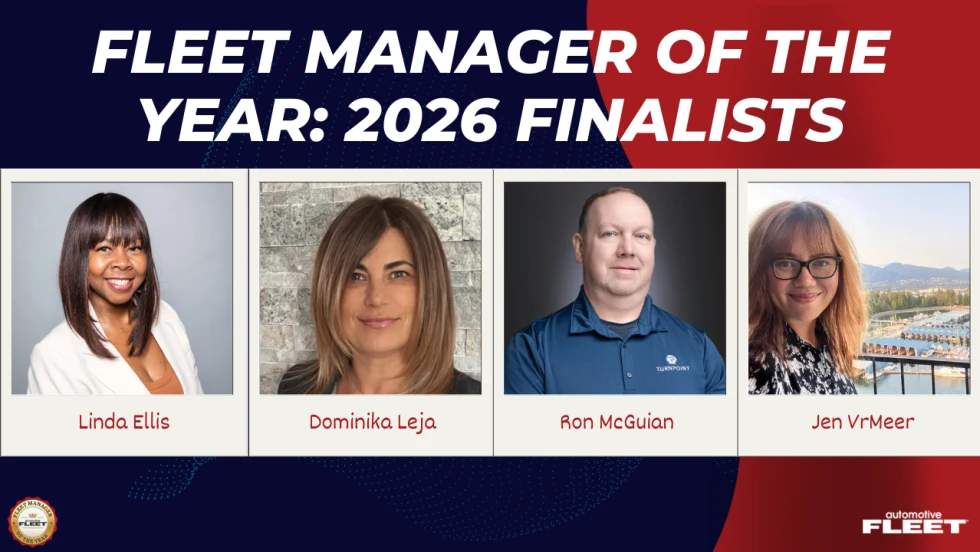
2026 Fleet Manager of the Year Finalists Announced
Who are the 2026 Fleet Manager of the Year finalists?
Read More →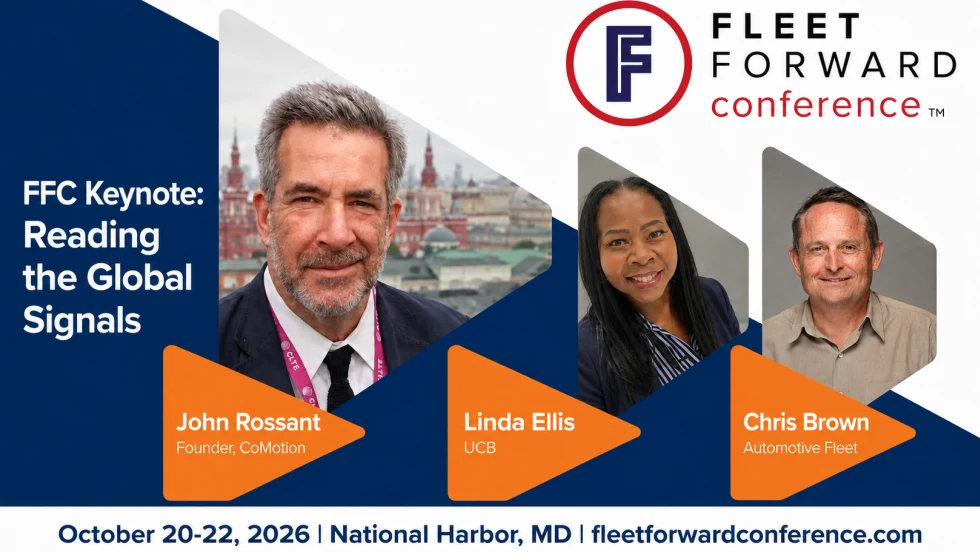
John Rossant to Deliver Opening Keynote at 2026 Fleet Forward Conference
The CoMotion founder will draw on developments across Europe, China, the Middle East, and other international markets to identify trends that could influence how U.S. fleets plan for the coming decade.
Read More →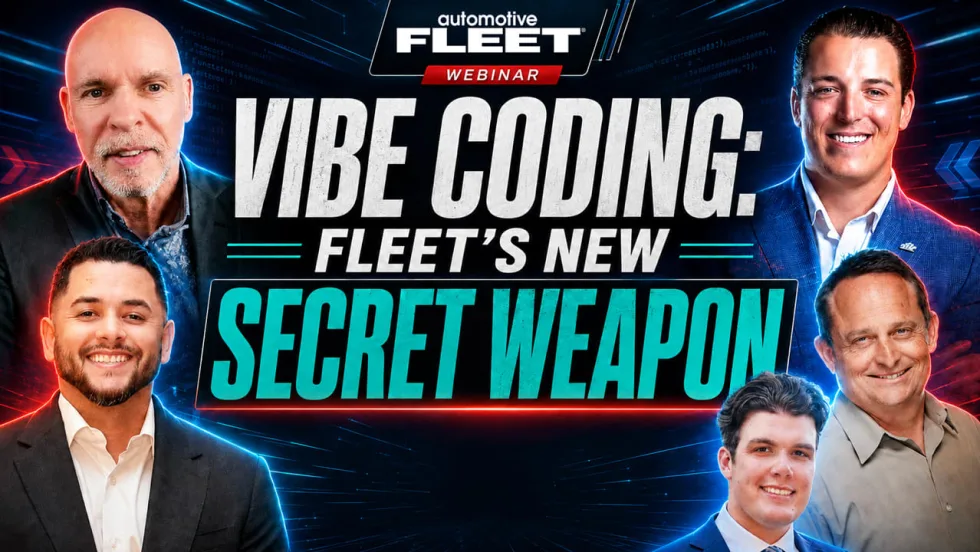
How to Build Custom Fleet Tools With AI and Vibe Coding [Webinar]
A new Automotive Fleet webinar explores how fleet managers are using AI and vibe coding to automate routine work and create simple operational tools without traditional programming skills.
Read More →