




Icahn Automotive Splits Parts, Service Companies
Icahn Automotive Group LLC has begun to separate the company into two independent aftermarket Parts and Service companies.

Icahn Automotive Group LLC has begun to separate the company into two independent aftermarket Parts and Service companies. As separate companies, Parts and Service will be best positioned to focus on unique strategies, customers and business opportunities, according to Icahn.
The independent companies will be led by Chris Cox, CEO-Parts and Brian Kaner, CEO-Service who will report to Icahn Automotive’s board of directors and be supported by their own leadership teams, as well as a shared service division led by CFO Michael Nevin.
The Parts company will include the retail and commercial lines of business of both Auto Plus and Pep Boys.
Parts CEO Chris Cox, a veteran aftermarket industry executive with more than 40 years of experience leading commercial and retail parts teams said, “By focusing specifically on the parts sector, where our brands put us among the top ten commercial auto parts distributors in the U.S., we will continue to capitalize on industry growth, expand and integrate our customer programs, and invest aggressively in core markets where a solid base of business, excellent customer service capabilities, and one of the most experienced teams in the industry have us in a strong competitive position.”
The Service company will include the automotive repair and maintenance businesses of Pep Boys, AAMCO, and Precision Tune Auto Care, as well as several regional service centers the company has acquired.
Service CEO Brian Kaner, who has a track record as a transformative leader with automotive and tools companies said, “As the number of vehicles in operation continues to grow, and drivers continue to keep their cars longer, we have a tremendous opportunity to expand how we serve our DIFM customers. Our fast-growing fleet business stands to continue its growth from the expansion of ride-hailing, last mile delivery and other fleets. As an independent company focused on service, we’ll have more resources to invest in our core strategic priorities, including continuing to grow our national footprint, investing in new vehicle technology, technician training and career development, and the creation of a best-in-class service model.”
As part of the separation plan, the Parts and Service businesses will each make adjustments to their store networks, and continue to streamline and decentralize the organizational structure, empowering local leadership to better serve their unique markets. The company expects a short transition period at the end of which the Parts and Service businesses will operate as separate companies.
Originally posted on Work Truck Online
More Maintenance

Fleet Manager’s Ultimate Playbook: Navigating the New Standard in OEM Connectivity
Rising operating costs, driver safety concerns, and unplanned downtime are putting unprecedented pressure on modern fleets. Discover how fleet managers use embedded OEM connectivity and real-time vehicle data to cut TCO, prevent downtime, and protect drivers without aftermarket telematics hardware.
Read More →
How Can Fleet Managers Tell Which Repairs Require Closer Review?
Fleetio’s Brianna Perry demonstrates how Service Advisor evaluates maintenance requests, identifies pricing anomalies, and provides the context fleet managers need to focus their attention on potential problems.
Read More →
Why Roadside Assistance Belongs in a Fleet Risk Strategy
Roadside assistance is more than a tow. See how the right partner can protect drivers, uncover fleet trends, and strengthen your risk strategy.
Read More →
Hidden in Plain Sight: Fleet Compliance Risks
Fleet compliance isn't just about having policies — it's about consistently enforcing them. This practical guide reveals six hidden compliance risks common in public sector and shared fleet operations and outlines proven strategies to improve visibility, accountability, and audit readiness
Read More →
How Maintenance Costs Compare Across 27 Fleet Vehicles
Vincentric’s three-year, 60,000-mile projections reveal wide differences for both scheduled and unscheduled maintenance among selected vehicle categories. Projected maintenance visits also play a factor.
Read More →
The EV Breakdown Nobody's Talking About: Why Most Electric Vehicle Roadside Calls Aren't Mechanical Failures
Here's why EV breakdowns are widely misunderstood.
Read More →
How Stellantis Plans to Get Ahead of Fleet Downtime
Keeping fleet vehicles on the road has become as important as buying them. Darren Bradshaw of Mopar North America explains how connected vehicle data, AI, and proactive service strategies are helping Stellantis reduce downtime and move closer to predictive maintenance.
Read More →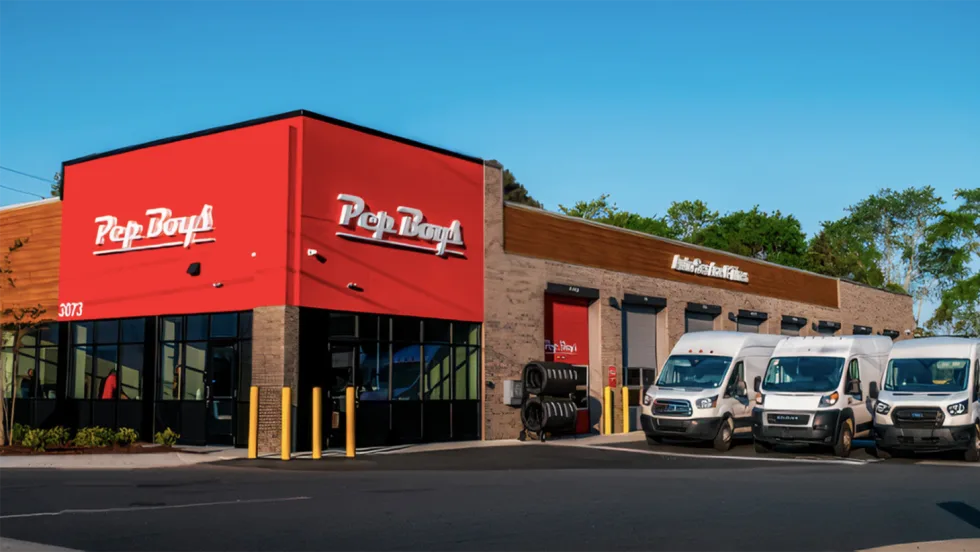
Merchants Fleet Expands Maintenance Network with Pep Boys
Merchants Fleet has expanded its relationship with Pep Boys, increasing the service provider's role within its national maintenance network. The move is intended to enhance maintenance coordination and support commercial fleets through Pep Boys' nationwide footprint.
Read More →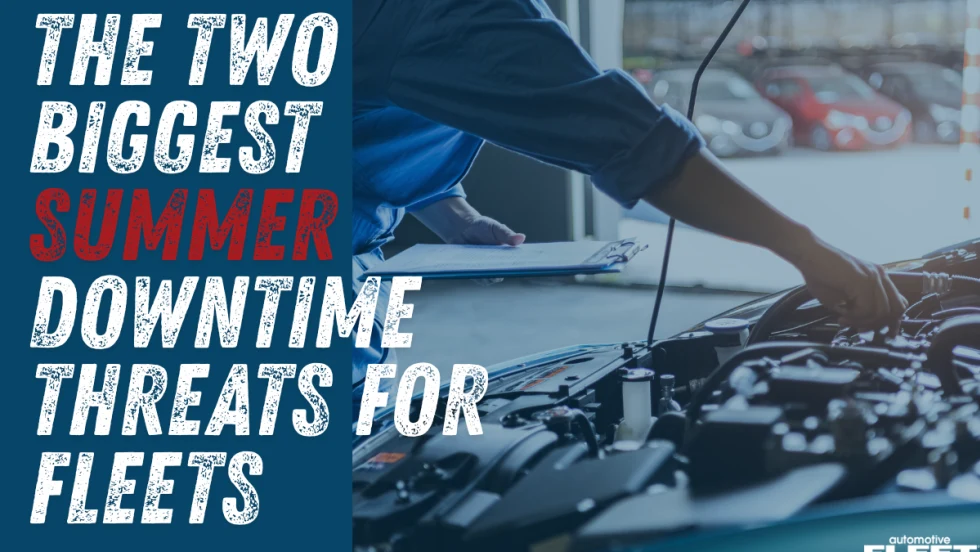
The Two Biggest Summer Downtime Threats for Fleets
A conversation with a maintenance expert reveals the two most common summer maintenance pains and how to prevent them.
Read More →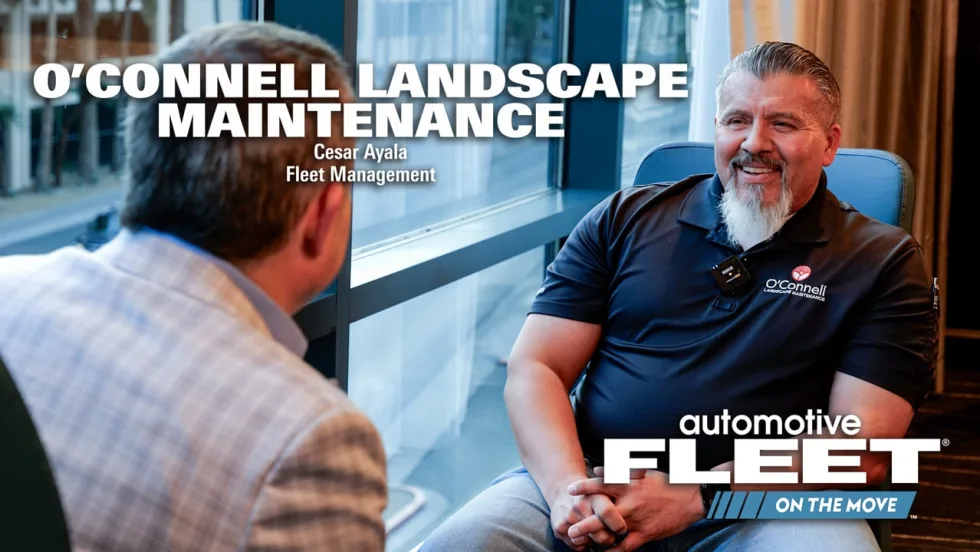
From Marine Corps Motor Pool to Managing 460 Fleet Vehicles
Cesar Ayala of O’Connell Landscape Maintenance shares how he transitioned from the Marine Corps to managing a 460-vehicle fleet—and the real-world challenges of maintenance, compliance, and driver management in California.
Read More →