




Hyundai Preps Hydrogen Energy Generation and First-Ever Public Fueling Station in Chino, Calif.
Hydrogen Frontier, Inc. built the 100 percent renewable hydrogen fueling station at the existing Hyundai station in Chino, Calif.
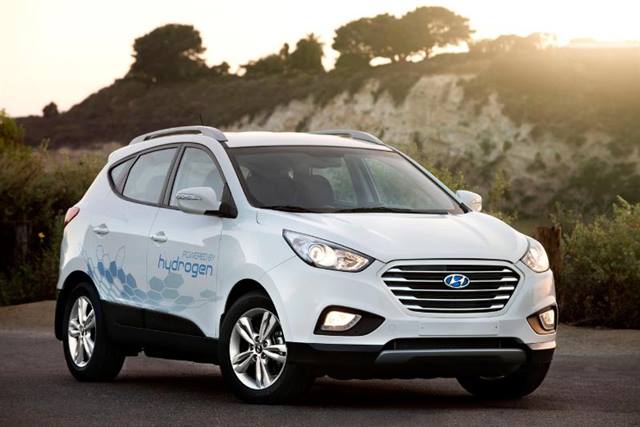
Hyundai's hydrogen powered SUV.
Photo courtesy of Hyundai
The California Energy Commission (CEC) has awarded hydrogen fueling station developer Hydrogen Frontier, Inc. a $3 million grant to build a new 100 percent renewable hydrogen fueling station for fuel cell electric vehicles at Hyundai's hydrogen energy generation and fueling station in Chino, Calif.
According to Hyundai Motor America, the project will include:
100 percent of the energy consumed in generation and operation of the station and 100 percent of the fuel dispensed will come from a renewable source, a new path of innovation and sustainability in California.
Energy used to create hydrogen will be purchased from a renewable energy provider.
With this upgrade, the station will be able to produce at least 100 kilograms of hydrogen per day, enough to dispense approximately 6,000 to 9,000 vehicle fill-ups with hydrogen annually.
Capability to produce hydrogen from the electrolysis of water on site.
System pressures of 350 Bar and 700 Bar will allow fueling of all fuel cell vehicles (FCV) including fast refueling.
The station, situated at a testing facility for Hyundai America Technical Center, Inc., will be located at the site of an existing hydrogen station originally constructed in 2005 to support Hyundai's fuel cell vehicle fleet. On top of the $3 million rebuilding project funded by the CEC grant, an additional $1.7 million funded by partners Hydrogen Frontier Inc., Powertech, and ITM Power will go toward modernizing the facility to meet the latest industry standards for hydrogen generation, storage, and dispensing.
The required completion date for the renovations is October 2014, at which point the fueling station will open to the public for the first time. The facility will increase the existing hydrogen fueling network in California and will be the first publicly accessible hydrogen fueling station in San Bernardino County. according to Hyundai. The California Fuel Cell Partnership provides a list of hydrogen fueling stations.
Production of the Hyundai Tucson Fuel Cell began at the company's Ulsan manufacturing plant in Korea in January 2013, making Hyundai the first automaker to begin commercial production of a hydrogen-powered vehicle, according to Hyundai. The first complete car rolled off the assembly line on February 26, 2013. Hyundai is investigating potential demand for the Tucson Fuel Cell Vehicle in the U.S. market, particularly in California, where most of the hydrogen refueling infrastructure development has taken place.
"This was our first hydrogen station in 2005 that we were asked to contribute to. Now, less than 10 years later, we get to do a complete comprehensive update of that same site," said Daniel Poppe, vice president of Hydrogen Frontier, Inc.
Hyundai has researched hydrogen-powered fuel cell vehicles in the United States since 2000. It is a member of the California Fuel Cell Partnership and has conducted fleet testing of three generations of SUV-based hydrogen vehicles across the United States.
Hydrogen fuel cells use hydrogen to create electricity which powers the electric-drive vehicles. The development of fueling stations, such as the Chino facility, is crucial to the success of fuel cells in the marketplace, according to Hyundai. In California today, there are eight public stations, and 17 more are in development. The goal is to have 68 stations in place to support the larger rollout of the vehicles in the next few years.
More Green Fleet

EV Charging Use Is Outpacing Infrastructure Growth
ChargePoint’s 2026 Charging Forward Report points to rising charger use, higher-powered charging, commercial vehicle electrification, and energy-management technology. Here’s what fleets should know.
Read More →
Merchants Fleet Reports 290M EV Miles as Fleets Navigate Changing Electrification Market
From millions in operating savings to hundreds of millions of EV miles, Merchants Fleet’s latest report reveals what’s working and what’s changing in fleet electrification.
Read More →
The EV Breakdown Nobody's Talking About: Why Most Electric Vehicle Roadside Calls Aren't Mechanical Failures
Here's why EV breakdowns are widely misunderstood.
Read More →
ChargePoint Now Available in Energy Pass
ChargePoint and additional planned charging network integrations were added to GM's Energy Pass.
Read More →
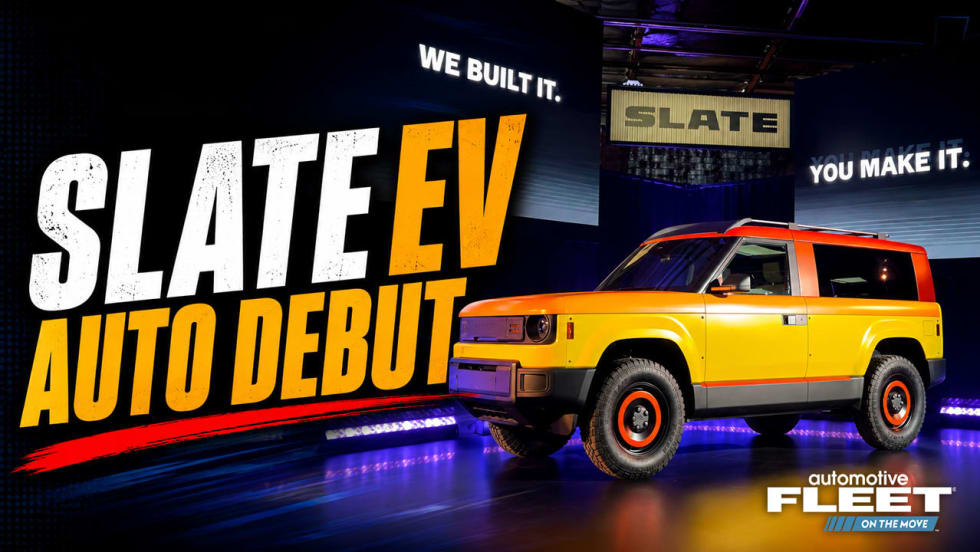
First Look: Slate Auto's Electric Fleet Pickup
Could an affordable, modular EV pickup make electrification more practical for fleets?
Read More →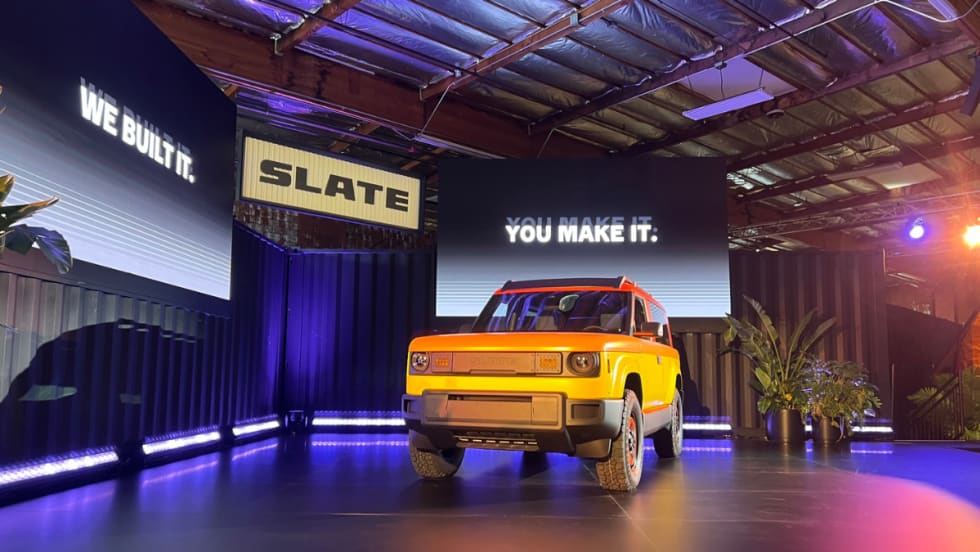
Slate Debuts Colorful, Unique EV Models
A recent media and client event, studded with electric vehicles dressed up on platforms, planted a new position for the manufacturer in the wider EV market. Fleets will find cost-saving advantages.
Read More →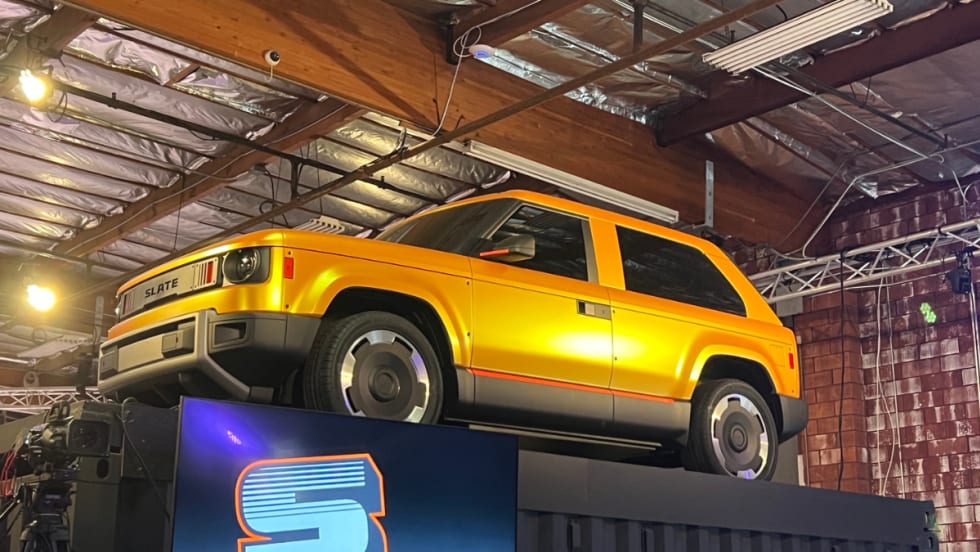
Slate Electric SUV, Pickup Switchable Model Aims For Light-Duty Fleets
Everything about this EV is counterintuitive and understated, making it stand out from the crowd.
Read More →
Inspiration Mobility Acquires Key Electrada Assets
Inspiration Mobility Group has acquired select assets of Electrada, adding the fleet electrification provider's team, technology, and charging infrastructure development capabilities to its energy management business.
Read More →
Turning Connected Vehicle Data Into Decisions That Matter
Fleet leaders have more data than ever, but turning that data into clear, actionable decisions remains a challenge. This white paper shows how leading organizations are using connected vehicle data to improve safety, reduce costs, and optimize fleet performance. Learn how to turn insight into action across your fleet.
Read More →