




Hyperion Unveils Mobile Station to Widen EV Charging Access
The company will roll out fuel stations for hydrogen and battery vehicles that will be part of a dynamic nationwide charging network starting in 2023.

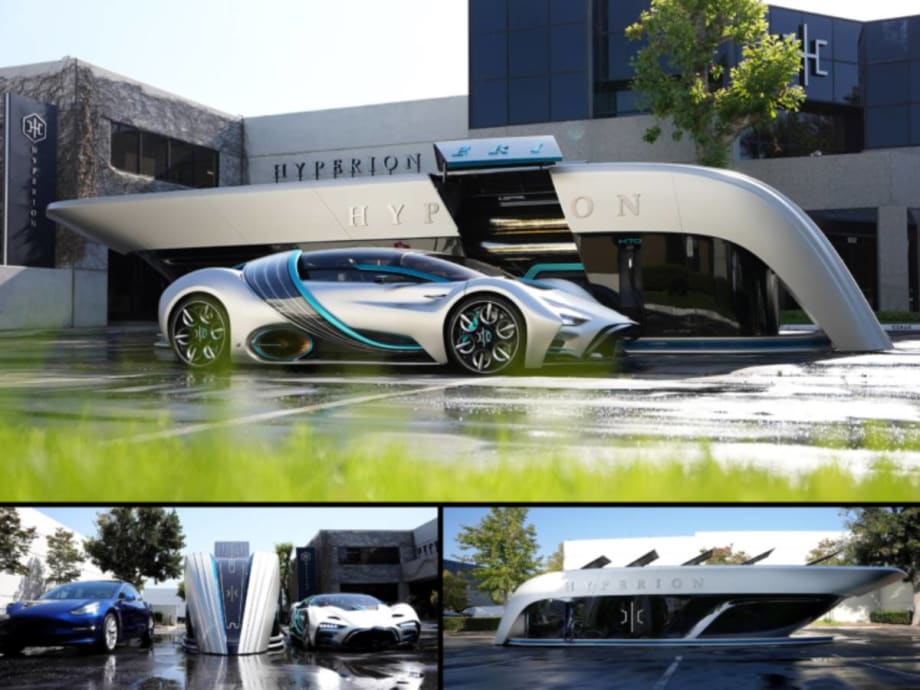
Mobile charging stations from Hyperion Motors will provide BEV and FCEV customers with state-of-the-art touch screen controls, contactless payment, and a self-sanitizing nozzle using UV light.
Photo: Hyperion Motors
Hyperion Motors, Inc., a hydrogen technology company, launched its Hyper:Fuel Mobile Stations, capable of refueling battery electric vehicles (BEVs) and hydrogen fuel cell electric vehicles (FCEVs), the company announced Nov. 22.
The mobilized refueling station will be available nationwide and can be easily deployed and redeployed when driving patterns change. Hyperion will roll out these stations nationwide to form a dynamic network with its partners starting in 2023.
Previously, Hyperion revealed its 1,000-mile range XP-1 in 2020 to demonstrate the benefits of hydrogen-ion storage over lithium-ion.
Using hydrogen-ion storage technology, Hyper:Fuel Mobile Stations address a primary challenge facing many commercial hydrogen trucks and battery cars on the road: refueling and recharging infrastructure.
Investment into infrastructure buildout is plagued and delayed by numerous issues, including site selection and construction costs. Many experts believe this lack of refueling and recharging infrastructure is the largest barrier to FCEV and BEV adoption. Hyperion’s mobile stations can travel to and from existing gas stations, big box stores, and other high-traffic locations to meet real-time demand.
Each station contains a hydrogen dispenser for FCEVs and an optional DC fast-charger for BEVs. This enables it to service two separate vehicle segments simultaneously at lower cost and risk compared with permanently installed charging stations or hydrogen dispensers. FCEV customers can refuel in five minutes and most BEV customers can recharge 80% of their battery in under 20 minutes.
The mobile stations can be equipped to produce hydrogen onsite via water electrolysis. This decentralized approach means it can generate green hydrogen from the sun when combined with solar. On-site fuel generation is clean, green, and can dramatically increase station uptime — another major hurdle for hydrogen stations. The mobilized station can be quickly deployed without long construction delays, opening new markets across the U.S. for automakers to increase FCEV and BEV sales.
Internal systems will include NASA and Shell GameChanger technologies to boost power and increase refueling efficiency. The roof is tiled with solar-tracking photovoltaic panels to maximize direct sunlight. Customers will experience state-of-the-art touch screen controls, contactless payment, and a self-sanitizing nozzle using UV light.
In addition to vehicles, the mobile stations are designed to provide electricity as stationary power sources. By storing electrons for much longer lengths of time than possible for batteries, the station can provide backup power across seasons to improve grid resiliency during weather emergencies or grid failures.
"Todays' energy infrastructure is pushed to its absolute limit,” CEO Angelo Kafantaris said in a news release. “The industry needed a versatile, scalable solution to power our growing needs."
Hyperion’s mobile stations will be manufactured at the company's 65-acre manufacturing headquarters in Columbus, Ohio.
Originally posted on Charged Fleet
More Green Fleet
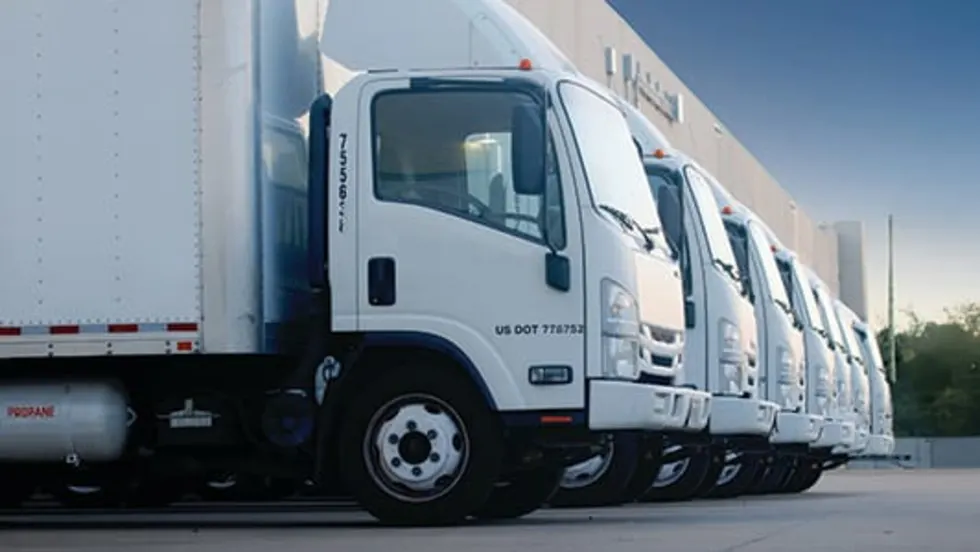
New Propane Autogas Program Offers Fleet Compensation
Qualified commercial fleets can receive $7,500 per eligible propane autogas vehicle and up to $10,000 for new refueling site prep. Learn how the program works and see whether your fleet qualifies.
Read More →
EV Charging Use Is Outpacing Infrastructure Growth
ChargePoint’s 2026 Charging Forward Report points to rising charger use, higher-powered charging, commercial vehicle electrification, and energy-management technology. Here’s what fleets should know.
Read More →
Merchants Fleet Reports 290M EV Miles as Fleets Navigate Changing Electrification Market
From millions in operating savings to hundreds of millions of EV miles, Merchants Fleet’s latest report reveals what’s working and what’s changing in fleet electrification.
Read More →

The EV Breakdown Nobody's Talking About: Why Most Electric Vehicle Roadside Calls Aren't Mechanical Failures
Here's why EV breakdowns are widely misunderstood.
Read More →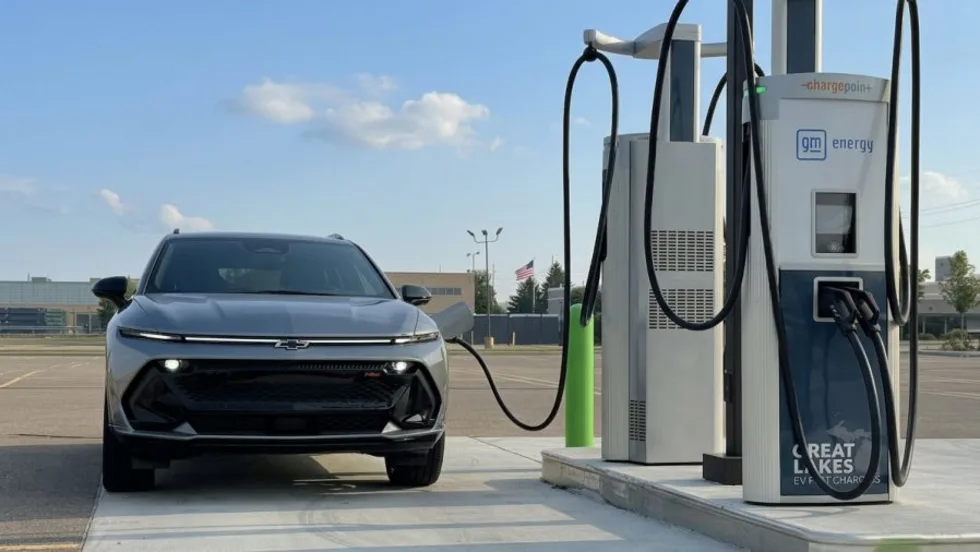
ChargePoint Now Available in Energy Pass
ChargePoint and additional planned charging network integrations were added to GM's Energy Pass.
Read More →

First Look: Slate Auto's Electric Fleet Pickup
Could an affordable, modular EV pickup make electrification more practical for fleets?
Read More →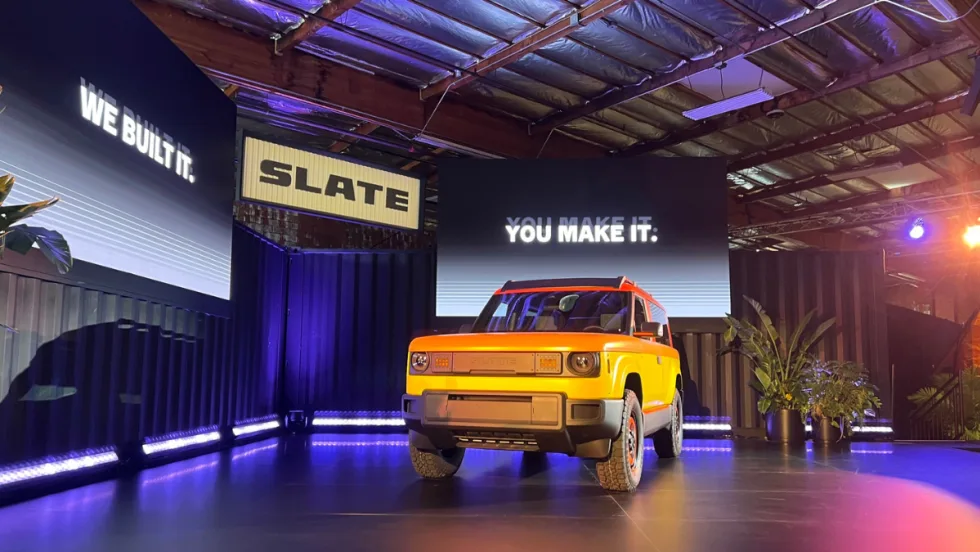
Slate Debuts Colorful, Unique EV Models
A recent media and client event, studded with electric vehicles dressed up on platforms, planted a new position for the manufacturer in the wider EV market. Fleets will find cost-saving advantages.
Read More →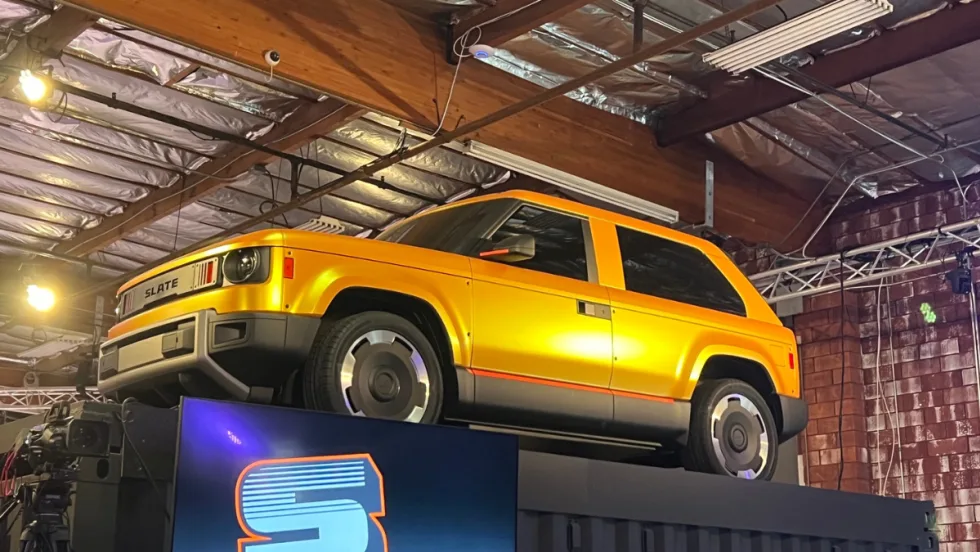
Slate Electric SUV, Pickup Switchable Model Aims For Light-Duty Fleets
Everything about this EV is counterintuitive and understated, making it stand out from the crowd.
Read More →
Inspiration Mobility Acquires Key Electrada Assets
Inspiration Mobility Group has acquired select assets of Electrada, adding the fleet electrification provider's team, technology, and charging infrastructure development capabilities to its energy management business.
Read More →