Find out how AFP member Heidi Thompson is going about electrifying one of the largest van fleets in the UK with our Global Voices video interview.
 MENU
MENU SEARCH
The Association of Fleet Professionals (AFP) describes hydrogen as a "not realistic" fuel source for commercial van fleets.

Currently, Stellantis brands Citroen, Peugeot, and Vauxhall/Opel have developed hydrogen vans. In the U.K., Vauxhall says it is undertaking discussions with fleets about the introduction of the Vivaro-e hydrogen van with its 243 mile range.
Photo: AFP
The Association of Fleet Professionals is unequivocal in its rejection of hydrogen as a zero emission fuel for van fleets. The fleet manager body says hydrogen is “not currently realistic,” and the AFP adds that a minority of large van fleet operators were waiting to see if the fuel would become viable in the short term.

Photo: Hollick
“We’ve discussed this topic at some length at every level of the AFP and our conclusions are clear," said Paul Hollick, chair of the AFP, "Electric is effectively the only option when it comes to the future of zero emissions vans in the U.K. for at least the next decade. Hydrogen is simply not happening in any meaningful way and there is no real sign of that situation changing.”
Hollick said the refueling infrastructure was only minimal and there was restricted availability of vans.
Currently Stellantis brands Citroen, Peugeot, and Vauxhall/Opel have developed hydrogen vans. In the U.K., Vauxhall says it is undertaking discussions with fleets about the introduction of the Vivaro-e hydrogen van with its 243 mile range.
The AA recovery organization has converted a Hyundai Nexo SUV into a roadside recovery vehicle, while on the continent, there are extensive trials going on with fleets such as Miele.
“Elsewhere, such as in Germany, there is significant state support for the expansion of hydrogen but government commitment here is low,” continued Hollick.
“It is clear that as far as the vast majority of road transport is concerned, our politicians see electric as the future. Fleets waiting for hydrogen to emerge as a realistic alternative are almost certainly set for disappointment.”
Hollick said that van fleet managers should resolve the operational and infrastructure issues hampering adoption of battery electric vans as number one task to transition away from ICE vehicles.
“There are no easy answers to some of the questions created by this situation but fleet managers and organizations such as the AFP are working to find new ways of maximizing the effectiveness of EVs – and making substantial progress almost month-by-month,” he added.

Geofencing is a familiar fleet tool today, but its early adoption marked a major shift in vehicle tracking, route monitoring, and the debate over employee privacy.
Read More →
Holman is bringing its Mexican fleet management operation fully under its own brand after more than 30 years as a joint venture. The change gives multinational fleet customers a single Holman operation across the U.S., Canada, and Mexico.
Read More →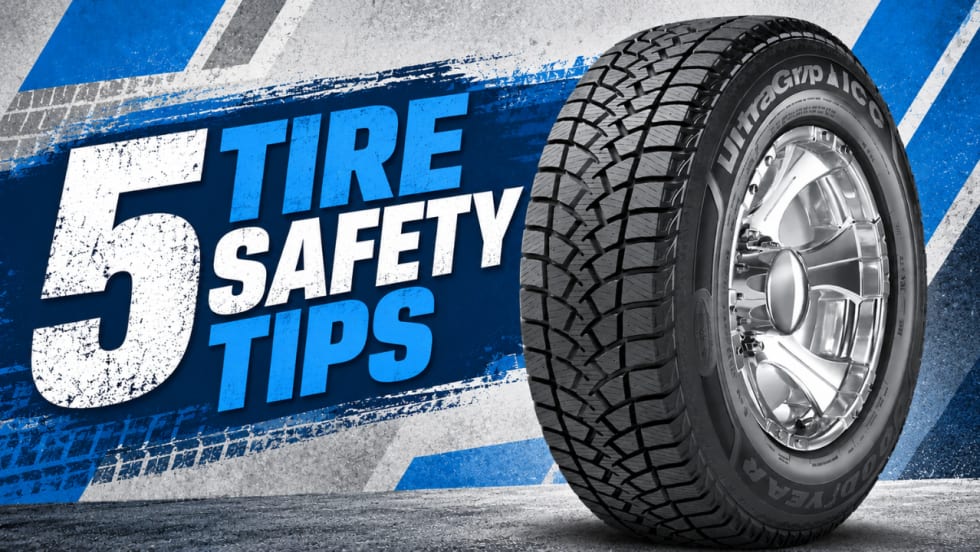
Regular tire checks can do more than extend tread life. These five maintenance practices can help work truck fleets catch problems early, reduce costs, and prevent downtime.
Read More →
The age-old problem of downtime will always be a reality, but with new strategies at hand, fleets have more ways to keep trucks on the road longer.
Read More →


Part Two: Commercial auto remains one of the most challenging and costly lines of coverage for fleet operators and insurers alike. Continue learning more about how to effectively address these issues from Onur Aksan, Enterprise Business Development Executive, Geotab
Read More →
Commercial auto remains one of the most challenging and costly lines of coverage for fleet operators and insurers alike. Learn more about how to effectively address these issues from Onur Aksan, Enterprise Business Development Executive, Geotab.
Read More →
Fleet leaders are under pressure to reduce costs, adapt to economic uncertainty, and make smarter decisions. See how peers across North America are responding with real data, proven strategies, and forward-looking insights. Download the 2026 Market Pulse Report to benchmark your strategy and uncover where you can gain an edge.
Read More →
Enterprise Mobility connects with mobility solutions around the globe
Read More →