




Hydrogen Car Prospects Sputter
NEW YORK – California regulators have realized that manufacturers won't be able to make as many hydrogen-fueled cars by 2014 as regulators had once hoped, according to Forbes.
NEW YORK – California regulators have realized that manufacturers won't be able to make as many hydrogen-fueled cars by 2014 as regulators had once hoped, according to Forbes. The California Air Resources Board voted unanimously during the last week of March to scale back the ambitious automotive clean air rules it adopted five years ago. The board ruled that the six largest automakers operating in the state will collectively need to produce 7,500 zero-emissions vehicles by 2014 — 70 percent fewer than the 25,000 ZEVs it had mandated in 2003.
This is the fourth revision of California's clean air standards since the state instituted its first zero-emissions vehicle mandate in 1990.
The new ruling relieves pressure on automakers such as General Motors and Toyota, which have focused much of their clean vehicle programs on cars that rely on batteries to reduce fuel consumption and emissions.
Under the latest revision, the automakers will be able to substitute 58,000 plug-in hybrids to compensate for the reduction in zero-emissions vehicles. GM is designing its Volt plug-in electric, a car designed to run for 40 miles between charges on batteries, for 2010 introduction.
Toyota has sold 1.2 million hybrids like its Prius since 1997 and plans to roll out a limited number of plug-in versions of its hybrid to fleet users within two years.
As a result, only about four percent of the cars sold in California in 2014 will need to have zero-emissions designs.
GM has already sent 40 Equinoxes onto California roads, providing the cars to customers in two zip codes in Southern California with requisite hydrogen stations. As part of the California ruling, the Air Resources Board has 15 days to come up with initial suggestions for how to create a more extensive refueling infrastructure.
Despite reducing the number of ZEVs, the new rules will result in cleaner air. There will be a 7,000-ton reduction in smog-forming emissions, and 5,500 fewer tons of carbon dioxide emissions between 2012 and 2017, thanks to a greater number of greener vehicles, according to Forbes. And, automakers estimate that the clean technologies will cost them a collective $1 billion per year between 2012 and 2014, when the clean vehicles will go into production.
GM, Ford, Chrysler, Toyota, Honda, and Nissan will need to produce 58,000 plug-in hybrids and 7,500 zero-emissions vehicles, which can be powered either by batteries or hydrogen fuel cells. (Car makers selling fewer than 60,000 cars a year in California, which currently includes Mercedes, BMW, and VW, are exempt.)
More Green Fleet

EV Charging Use Is Outpacing Infrastructure Growth
ChargePoint’s 2026 Charging Forward Report points to rising charger use, higher-powered charging, commercial vehicle electrification, and energy-management technology. Here’s what fleets should know.
Read More →
Merchants Fleet Reports 290M EV Miles as Fleets Navigate Changing Electrification Market
From millions in operating savings to hundreds of millions of EV miles, Merchants Fleet’s latest report reveals what’s working and what’s changing in fleet electrification.
Read More →
The EV Breakdown Nobody's Talking About: Why Most Electric Vehicle Roadside Calls Aren't Mechanical Failures
Here's why EV breakdowns are widely misunderstood.
Read More →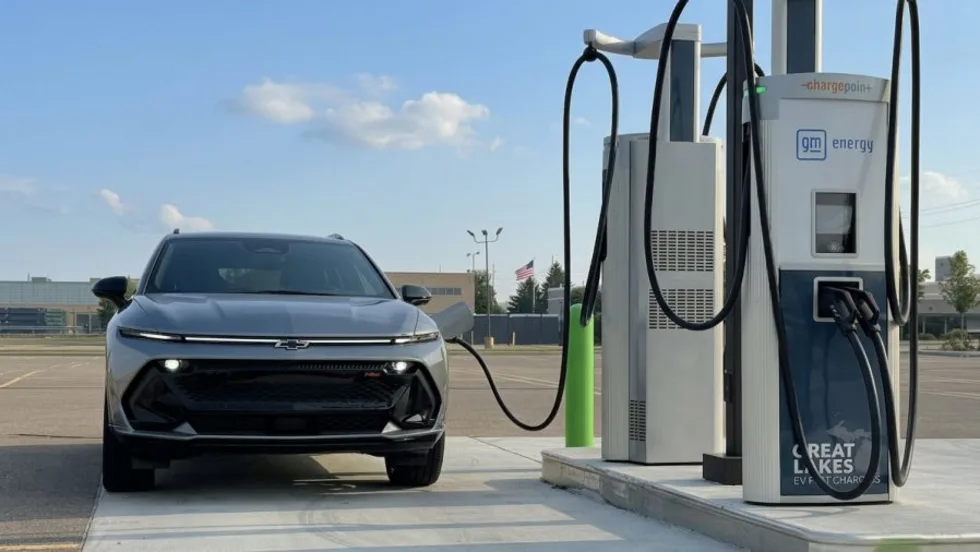
ChargePoint Now Available in Energy Pass
ChargePoint and additional planned charging network integrations were added to GM's Energy Pass.
Read More →

First Look: Slate Auto's Electric Fleet Pickup
Could an affordable, modular EV pickup make electrification more practical for fleets?
Read More →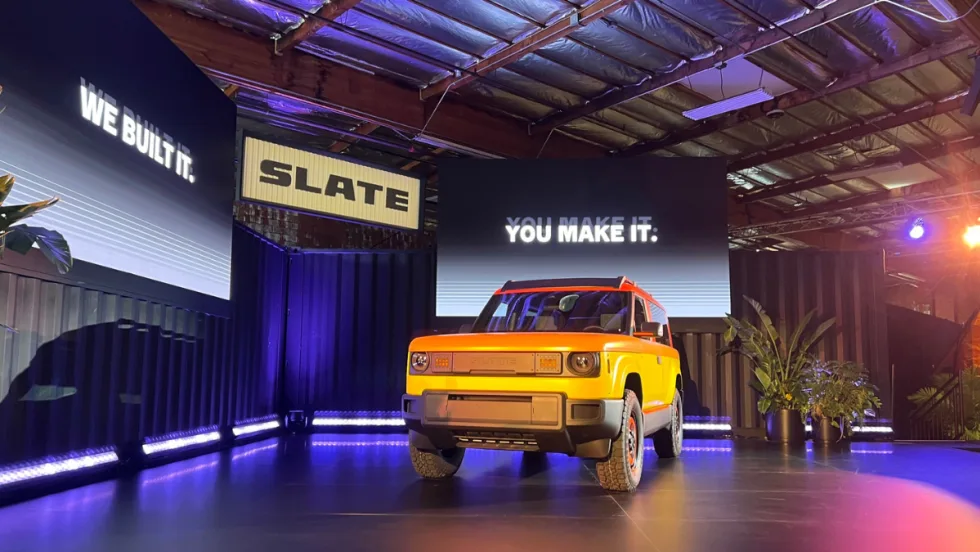
Slate Debuts Colorful, Unique EV Models
A recent media and client event, studded with electric vehicles dressed up on platforms, planted a new position for the manufacturer in the wider EV market. Fleets will find cost-saving advantages.
Read More →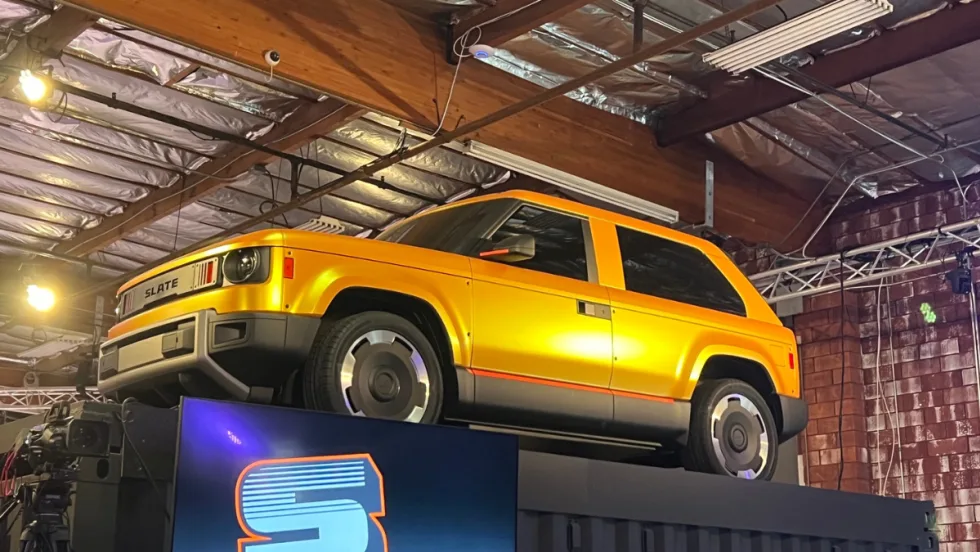
Slate Electric SUV, Pickup Switchable Model Aims For Light-Duty Fleets
Everything about this EV is counterintuitive and understated, making it stand out from the crowd.
Read More →
Inspiration Mobility Acquires Key Electrada Assets
Inspiration Mobility Group has acquired select assets of Electrada, adding the fleet electrification provider's team, technology, and charging infrastructure development capabilities to its energy management business.
Read More →
Turning Connected Vehicle Data Into Decisions That Matter
Fleet leaders have more data than ever, but turning that data into clear, actionable decisions remains a challenge. This white paper shows how leading organizations are using connected vehicle data to improve safety, reduce costs, and optimize fleet performance. Learn how to turn insight into action across your fleet.
Read More →