




Hybrid Registrations Continue to Rise
SOUTHFIELD, Mich. --- Nationwide registrations for new hybrid vehicles rose to 350,289 registrations in 2007 -- a 38 percent increase from 2006, according to R. L. Polk & Co.
SOUTHFIELD, Mich. --- Nationwide registrations for new hybrid vehicles rose to 350,289 registrations in 2007 -- a 38 percent increase from 2006, according to R. L. Polk & Co.
The Toyota Prius continued to lead the segment with 179,178 total new registrations -- 51.2 percent of hybrid market share.
"Auto buyers are benefiting from new hybrid launches, and fleecing of old models that didn't work. There is a lot of excitement being generated within the industry as manufacturers adjust plans to adapt to consumer demand," said Lonnie Miller, director of industry analysis at Polk. "While the Toyota Prius has a stronghold on the midsize car hybrid segment, the Toyota Highlander and Ford Escape share leadership positions in the SUV hybrid segment. As hybrid buyers migrate within a brand, manufacturers have to be prepared to meet their expectations for offerings if they want consumers to remain loyal."
While most of the market continues to see hybrid models enabled by various forms of gas-electric powertrains, the entire hybrid segment will evolve as other technologies are developed and tested. With the end-goal of providing more fuel-efficient vehicles, future offerings will expand beyond the current generation of hybrid models.
"Hybrids are a great foray into the world of fuel-efficiency for many buyers," said Miller. "Unfortunately, we still have an uphill battle for diesel and ethanol adoption given the need for more consumer education and improvements with filling station infrastructure. It will be interesting to see how more advanced technologies progress this whole category, but they can't come soon enough."
Polk's analysis shows that buyers of specific hybrid models predominantly come from the vehicle segment shared by their new hybrid purchase. In 2007, 55 percent of new hybrid buyers previously had a midsize car, midsize SUV or small car model. These vehicle segments represent the majority of the volume in the hybrid category and indicate consumers may be predisposed to a body style first before choosing a hybrid model.
"In cases such as the Lexus LS600h, more than half of these buyers came from the prestige luxury segment," said Miller. "In the case of Honda Civic hybrid buyers, nearly 30 percent already had a small car in their driveway. There's a strong relationship between the vehicle previously owned and the segment they may buy when selecting a hybrid."
For manufacturers' marketing departments, these findings mean they may be able to repurpose some of the brand research and customer studies for non-hybrid models when creating new hybrid offerings or hybrid marketing campaigns. In addition, more luxury hybrids are available than ever before, allowing customers to obtain a hybrid without sacrificing features, amenities and performance they might otherwise be used to.
Geographic trends for the segment remain largely unchanged in 2007, with California continuing to hold 26 percent of the hybrid market share followed by Florida, New York, Texas and Washington. For the second year in a row, Oklahoma had the greatest increase, up nearly 148 percent.
Similarly, Los Angeles and San Francisco led cities nationwide. "The coasts continue to dominate the hybrid segment, though we continue to see gains in the Midwest as fuel prices hit home for the 'manufacturing belt' states," said Miller.
More Fuel

Turning Fleet Payment Data into Executive Insights
Ramel Lindsay of U.S. Bank Voyager discusses how fleets can transform payment and transaction data into actionable intelligence to reduce costs, improve oversight, and support executive decision-making.
Read More →
Why the IRS Raised Its Mileage Rate in the Middle of 2026
Fuel-price volatility drove the rare increase to 76 cents per mile, the fifth midyear adjustment since 2000.
Read More →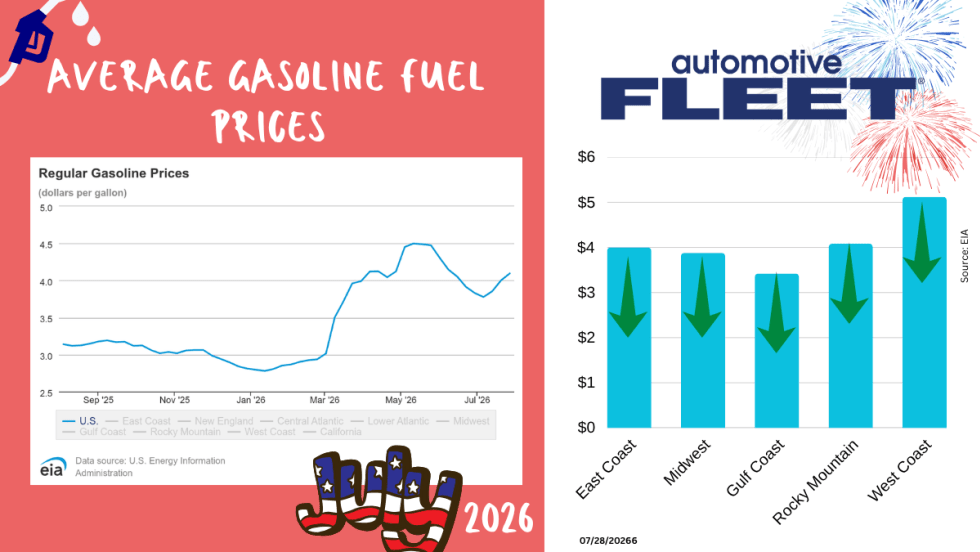
July Fuel Update: Prices Keep Rising in Light of More Conflict
Gas prices continue to rise as more and more conflicts do, too.
Read More →
Bob Adamsky on Fuel Volatility: "Don't Panic, Have a Plan."
When it comes to up and down fuel prices, Adamsky has a message for fleets: “Don’t panic.”
Read More →
How Fleets Can Gain Control of Non-Fuel Spend
Fuel often gets the spotlight, but non-fuel expenses can have a major impact on fleet costs. Ramel Lindsay of U.S. Bank Voyager discusses how fleets can gain better visibility and control over these often-overlooked expenditures.
Read More →
Fuel is Just the Start: How Middle East Tensions are Driving Up Fleet Maintenance Costs
The Middle East conflict is doing more than pushing up fuel prices. It’s also raising the cost of key maintenance products your fleet depends on, from motor oil to tires to windshield wipers. Here’s what you need to know about this budget-busting situation.
Read More →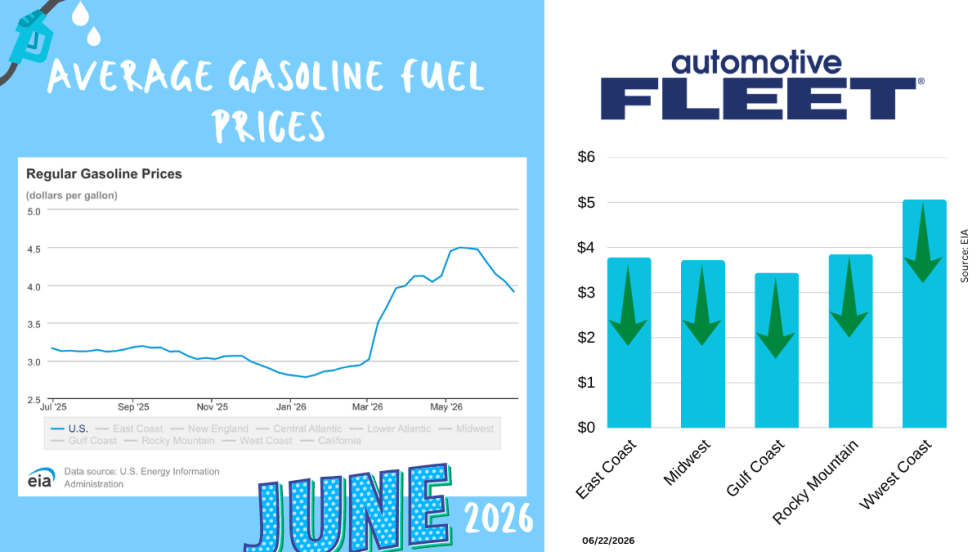
June Fuel Update: Prices Fall Below $4
Drivers are finally getting some relief at the pump. The national average gas price has dropped below $4 a gallon for the first time in months, with prices falling in 47 states as oil markets react to developments in U.S.-Iran negotiations.
Read More →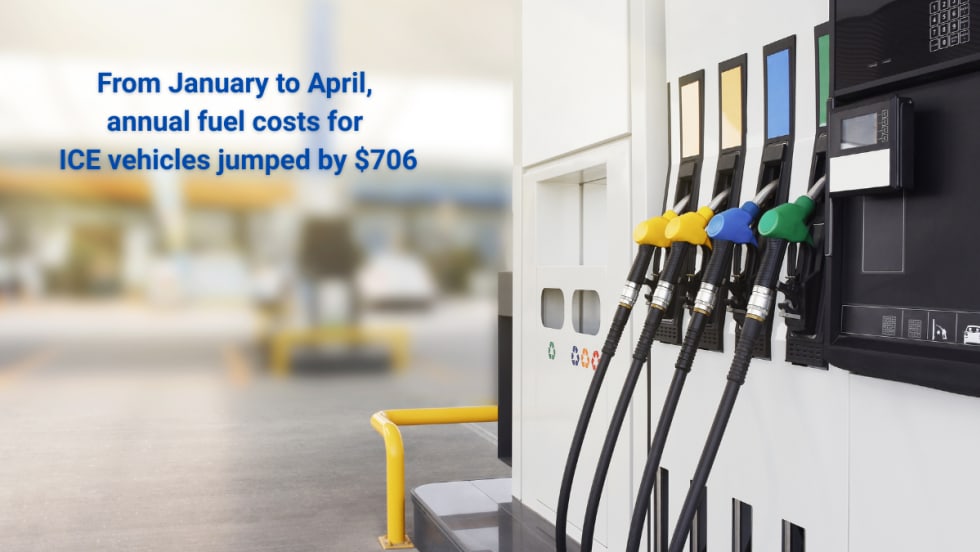
Study: How 2026's Gas Price Hikes Affect Different Vehicle Types
New data from iSeeCars reveals how rising fuel costs have affected different vehicle segments as gasoline prices climbed nearly 46% over the past four months.
Read More →
Are You Tracking Your Fleet's True Total Cost of Ownership?
Bobit Business Media surveyed 190 fleet professionals and found that while most fleets are tracking costs, fragmented systems and data gaps are keeping true TCO visibility out of reach. With rising pressure to control spend in an increasingly volatile environment, the gap between what fleets think they know and what the data actually shows is wider than you might expect. See how your peers are managing costs today and where the industry still has room to improve.
Read More →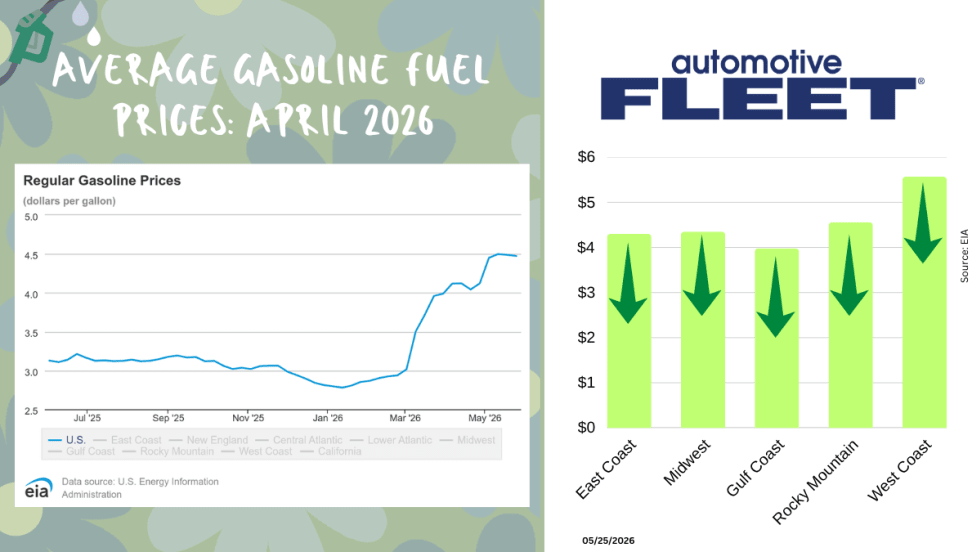
May Fuel Update: All Regions Experience Declines
Gas prices are finally easing in much of the country, but experts warn global tensions could quickly reverse the trend as the national average remains well above last month’s levels.
Read More →