




Related: Latest Trends in Telematics
How Telematics and Data are Changing Fleet
Investment in telematics is critical and the industry knows it. The proliferation of telematics solutions in the fleet industry has been rising and will continue its upward trajectory as the technology grows and develops in terms of what it offers fleets

Andy Lundin・Former Senior Editor
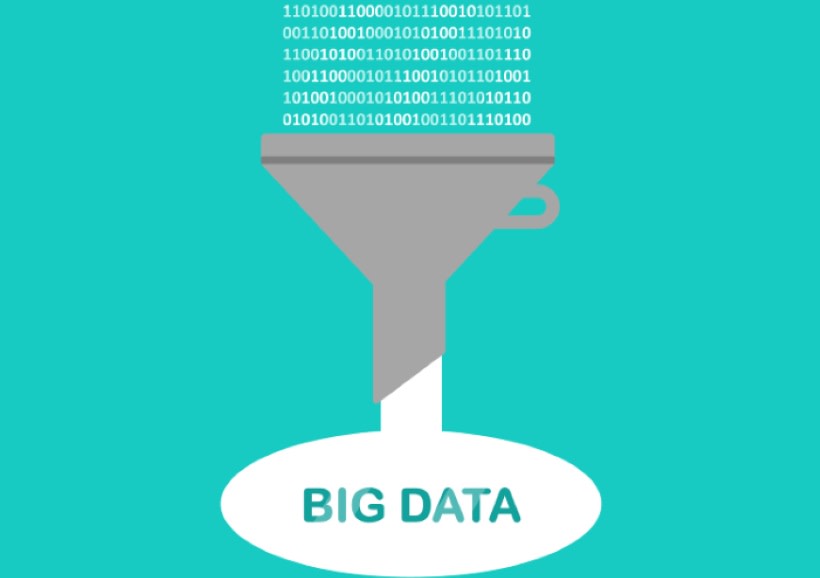
As telematics technology continues to grow, it will expand to include more data types that fleets can analyze, as well as provide more ways to parse through the data to find actionable ways for fleets to utilize what they discover.
Graphic courtesy of Tumisu via Pixabay.
3 min to read
Investment in telematics is critical and the industry knows it. The proliferation of telematics solutions in the fleet industry has been rising and will continue its upward trajectory as the technology grows and develops in terms of what it offers fleets

Sherry Calkins, Geotab
Over the last decade, the North American commercial telematics market grew from approximately two million units in service to 6.4 million units, according to a 2019 study from C.J. Driscoll & Associates. Over this period, revenues of North American telematics hardware and service grew from an estimated $2 billion to $5.3 billion.
While several market segments are maturing, overall market growth remains strong and revenues are projected to reach $7.5 billion by 2022, the report also found.
As the technology continues to grow, it will expand to include more data types that fleets can analyze, as well as provide more ways to parse through the data to find actionable ways for fleets to utilize what they discover.
But with so much information available, fleets are in need of effective ways to address the abundance of data.
Ultimately, a harmonization of telematics technologies and data between companies may become the norm of the future, noted Sherry Calkins, VP strategic partners, Geotab.
“One of the key future game changers in the fleet industry will be operating systems that can support open platforms for data integration,” said Calkins. “As businesses continue to merge and streamline operations around the globe, harmonizing data will be critical for fleets to combine data from multiple systems and utilize telematics data to give it meaning.”
Companies like Geotab are making their available fleet platforms open to communicating with other organizations’ systems.
“Having one integrated platform that can make sense of the data, provide predictive analytics and enable businesses to tackle large scale problems will be the future for fleet management operating systems,” added Calkins.
Further still, OEMs are also working in the space through an embedding of telematics tech into fleet assets, including with collaborations with FMCs and suppliers.
Having telematics become a more ubiquitous functionality in fleet vehicles will help reduce logistical headaches for fleets.

[EMPTY CREDIT]
“With this technology now factory-installed in many popular fleet models, this eliminates one of the biggest roadblocks companies typically face when exploring a telematics solution – installation costs and logistics as well as the associated vehicle downtime," said Howie Spangler, VP, Information Technology, ARI.
Beyond simplifying installation to prevent potential fleet downtime, having telematics capabilities embedded directly into the vehicle will play a role in how telematics and analytics become more integrated going forward.
“OEM-enabled telematics typically provides richer data and virtually eliminates the need to interpret or re-engineer the data received from traditional third-party OBD devices,” said Spangler.
With deeper insight into fleet specific metrics such as driver behavior, utilization, diagnostic data, etc., fleet operators can leverage the data to improve the efficiency and performance of vehicles and drivers.
“Updated technology will be revolutionary to vehicle and fleet operations,” said Emily Candib, Director of Fleet Products, Merchants Fleet. “Given fleet is somewhat unique with operating rules compared to consumer use, some technologies may target consumer use prior to fleet application due to the complexities that fleet structures can have. Adaption and agreement between manufacturers must be in-sync to make the technology useful to fleets. Additionally, barriers to entry for vendors to enter and support the connected space must be low.”

Emily Candib, Merchants Fleet
The continued connection between this data expansion and FMCs will also be critical.
“With an eye towards the future, in addition to receiving a myriad of data points from the vehicle, FMCs may be able to push data to the driver via the infotainment system and direct appropriate actions—gaining efficiency-driven and safety-oriented results. For example, we may eventually have the capability to send communications such as PM reminders or warnings about high-risk driving habits straight to the vehicle to further re-enforce behavioral changes” said Spangler.
More Telematics
Element Expands Waymo Partnership to Support Toronto Robotaxi Fleet
As Waymo prepares to enter the Canadian market, Element Fleet Management will oversee the fleet operations supporting its planned Toronto launch. The partnership highlights the maintenance, charging, and infrastructure requirements behind operating autonomous vehicles at scale.
Read More →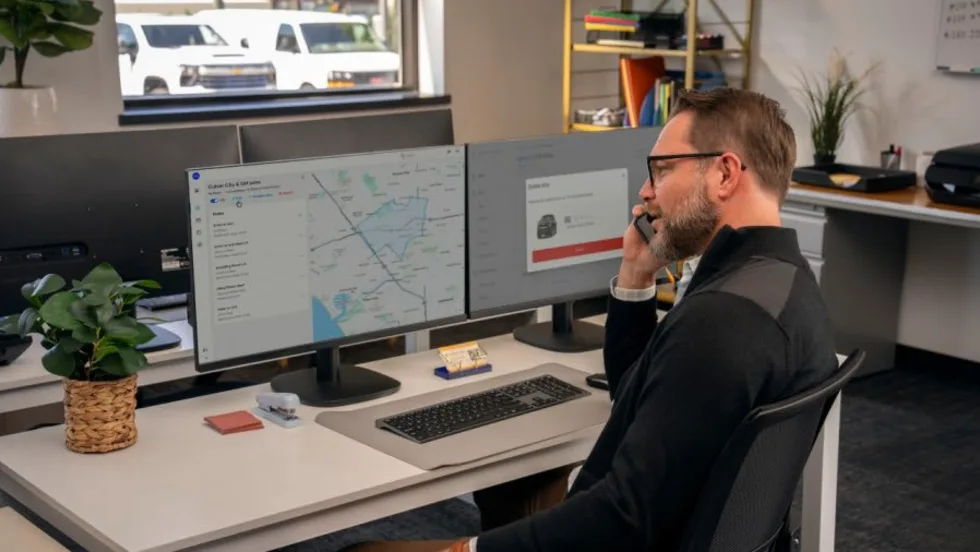
GM Launches OnStar Fleet Intelligence Platform With AI Assistant
The new platform brings vehicle data, order tracking, connected services and fleet analytics into one system, with an AI assistant that can answer fleet questions using natural-language prompts.
Read More →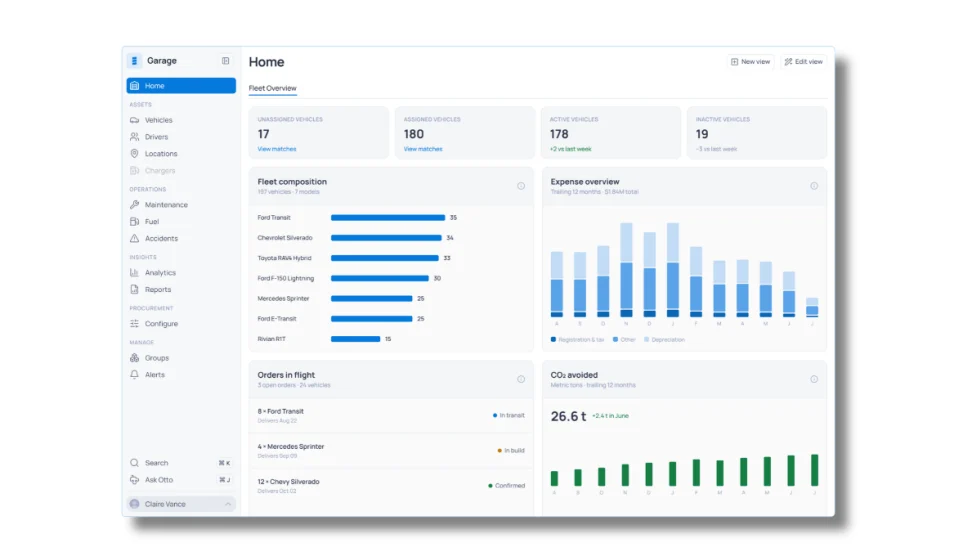
Inspiration Fleet Introduces Garage 2.0 Fleet Intelligence Platform
Fleet managers increasingly have access to data from vehicles, telematics, fuel, charging, and other systems, but those sources don't always communicate with one another. Inspiration Fleet's Garage 2.0 platform brings that information together while letting fleets keep working with different technology and service providers.
Read More →
Inside Inspiration Fleet’s New Platform for Connecting Fleet Data
Inspiration Fleet CTO Chris Getner explains how the new Garage 2.0 platform is designed to connect disparate fleet data and what that could mean for fleet managers in practice.
Read More →
Sponsored•October 1, 2026
Fleet Manager’s Ultimate Playbook: Navigating the New Standard in OEM Connectivity
Rising operating costs, driver safety concerns, and unplanned downtime are putting unprecedented pressure on modern fleets. Discover how fleet managers use embedded OEM connectivity and real-time vehicle data to cut TCO, prevent downtime, and protect drivers without aftermarket telematics hardware.
Read More →
Samsara Driver Perks Adds New Benefit for Corporate Fleet Drivers
The rewards program gives eligible professional drivers access to discounts from more than 50 brands while giving fleets another way to support recruitment, retention, and the driver experience.
Read More →
Inside the Church of Jesus Christ of Latter-day Saints’ Two-Track Telematics Strategy
With 20,000 vehicles and two fundamentally different driver populations, the Church faced a fleet management problem that a single telematics program couldn't solve. How it responded offers a replicable framework for any fleet where one size doesn't fit every driver.
Read More →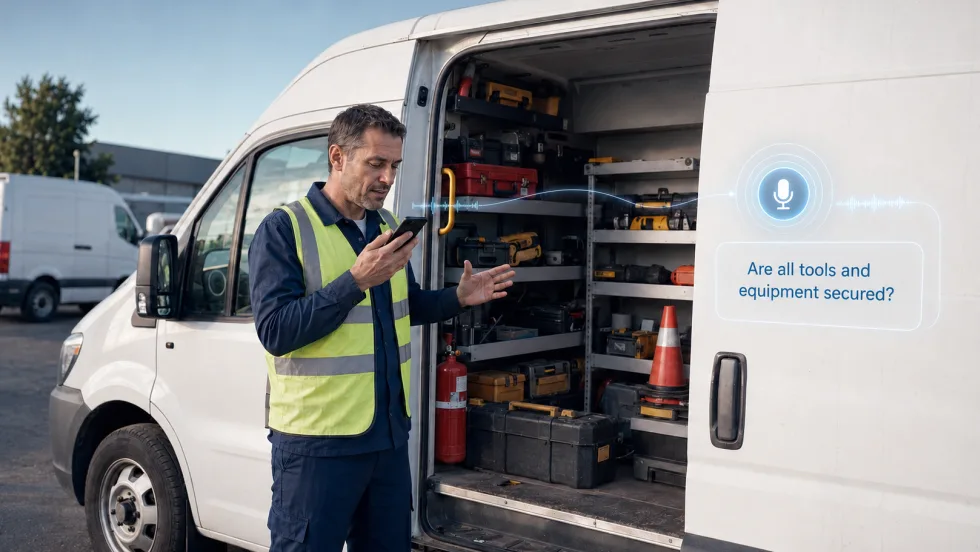
How Conversational AI Can Make Fleet Tasks Easier for Drivers
While most generative AI tools help fleet managers interpret data at their desks, Connex2X is applying voice interaction to tasks behind the wheel.
Read More →
Why Fleets Are Creating Dedicated Fleet Analyst Positions
Are fleet analyst positions the new norm? Listen here to find out.
Read More →
Teletrac Navman Begins Next Chapter as Standalone Private Company
What's new with Teletrac Navman and its new owner?
Read More →