




Honda Warns Against Using Salvage/Recycled Parts
TORRANCE, CA --- American Honda last week released position statements discouraging the use of salvage or recycled parts to repair Honda or Acura vehicles that have been damaged in a collision.
TORRANCE, CA --- American Honda last week released position statements discouraging the use of salvage or recycled parts to repair Honda or Acura vehicles that have been damaged in a collision.
"American Honda recognizes the importance of recycling, but the use of salvage/recycled parts to repair collision-damaged vehicles raises serious concerns about quality, suitability, safety and warranty," the statement said.
The quality or suitability of such parts could be compromised by such factors as "exposure to weather, improper removal or transfer of parts, possible mis-match of vehicle electrical components or other safety-related items as well as excessive wear on vital mechanical parts such as steering or suspension parts," American Honda said. "In cases where the donor vehicle was repaired due to a prior collision, salvage/recycle parts may not be an original or Acura [or Honda] Genuine replacement part. At this time, there is no generally accepted process or system in place to regulate the quality or suitability of salvage/recycle parts."
In conclusion, Honda added: "American Honda believes the interests of vehicle owners and collision repairers are best served when Acura [or Honda] Genuine replacement parts are used in the repair of an Acura [or Honda] vehicle."
More Safety
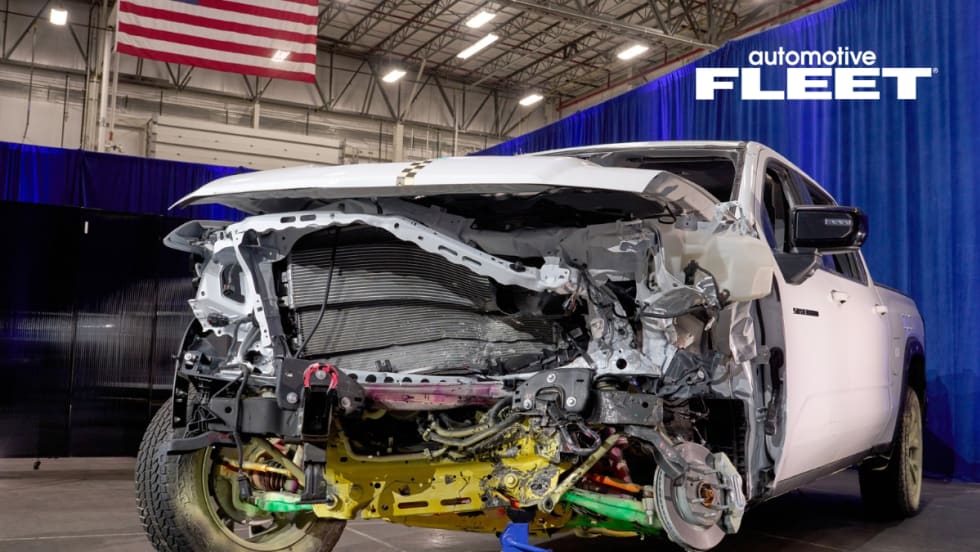
GM Conducts 92,000 Virtual Crash Tests for 2027 Chevrolet Silverado 1500
General Motors used computer simulations to evaluate crash scenarios, occupant protection and vehicle design variations before conducting physical crash tests.
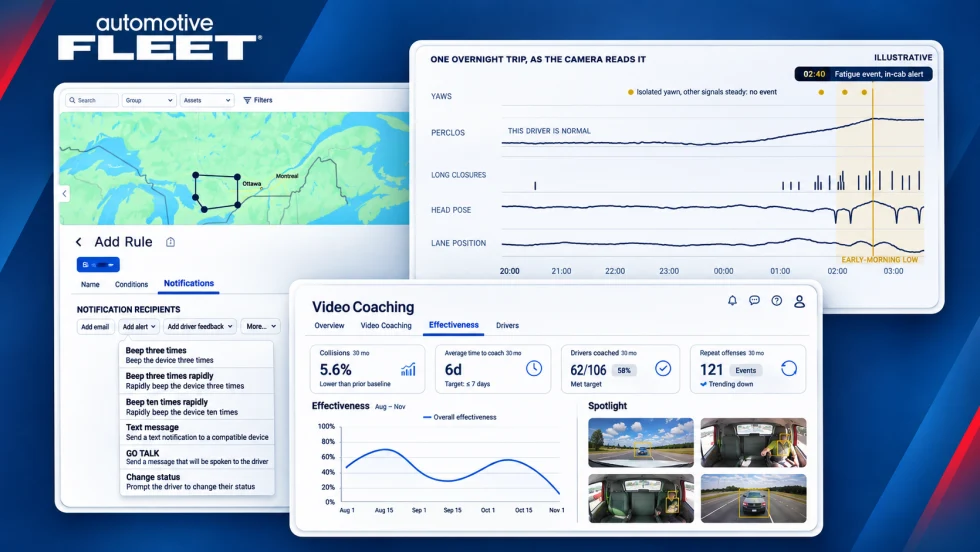
Geotab Adds AI-Powered Driver Coaching and Fatigue Detection Features
New capabilities include fatigue monitoring, two-way audio, coaching effectiveness analytics and location-based privacy controls for fleet safety management.

AAA Testing Finds Gaps in Intersection AEB Crash Prevention
Testing of four 2026 model-year vehicles found that automatic emergency braking prevented collisions in standardized intersection scenarios, but three vehicles failed to avoid crashes when another vehicle turned into their path.

Which Fleet Types Have the Highest Severe Speeding Rates?
New research from SambaSafety finds significant differences in speeding rates across fleet industries, even as nearly 90% of surveyed fleets report using telematics.
When a Cyberattack Hits Your Fleet: What Happens Next?
“You have two opportunities to test your plans: when you choose or when the threat actor chooses.” A cybersecurity expert reveals what fleet managers need to know before a cyberattack puts their operations at risk — and why the decisions made in the first moments can shape the entire recovery.

Tips for Driving Safely on Halloween Night
This video features a reminder from the Connecticut Department of Transportation (DOT) and the Connecticut Police Chiefs Association, urging drivers to prioritize safety this Halloween.
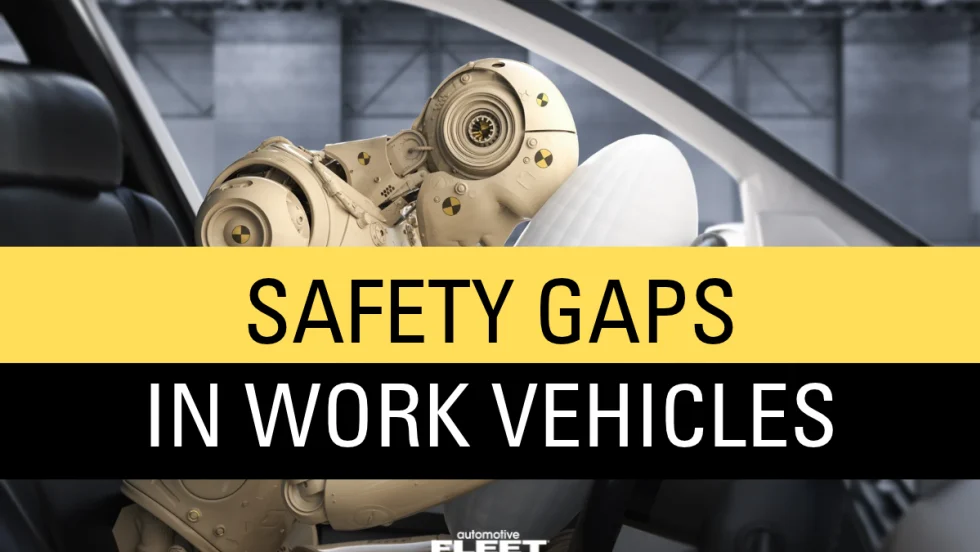
IIHS Crash Avoidance Tests Reveal Safety Gaps in Cargo Vans and Work Trucks
New IIHS crash avoidance ratings show uneven performance among cargo vans and heavy-duty pickups, with most struggling to avoid vehicle-to-vehicle collisions.

What’s Next for Fleet? Safety, AI & Industry Recognition | AF News Recap
Could your company's culture be encouraging distracted driving? This week, we're exploring how workplace expectations affect driver safety, what AI, EVs, and autonomous vehicles could mean for the future of fleet management, and how fleet professionals can strengthen their award nominations.
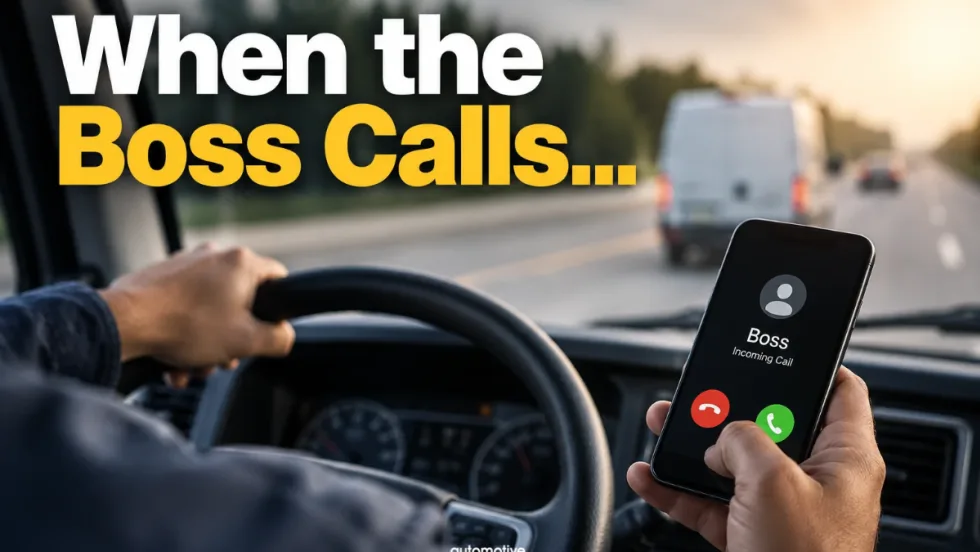
Does Your Fleet's Culture Encourage Distracted Driving?
What happens when the people responsible for enforcing safety rules are the ones setting the wrong example? The answer may reveal why some of the biggest risks to fleet drivers have little to do with what's written in the employee handbook.

Fleet Manager’s Ultimate Playbook: Navigating the New Standard in OEM Connectivity
Rising operating costs, driver safety concerns, and unplanned downtime are putting unprecedented pressure on modern fleets. Discover how fleet managers use embedded OEM connectivity and real-time vehicle data to cut TCO, prevent downtime, and protect drivers without aftermarket telematics hardware.