




Honda Commits to New Safety Goals and Advances Electric Vehicles
The carmaker reports it is targeting sales of 100% zero emission electrified vehicles in North America by 2040.

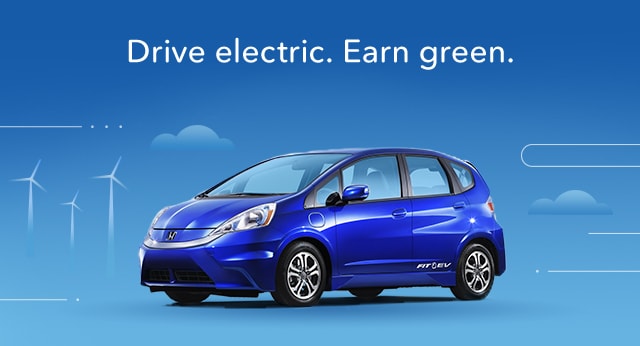
Starting the second half of this decade, Honda will introduce new EV models in North America, based on e:Architecture, a new platform led by Honda.
Photo via Honda.
Safety and the environment are top-of-mind for automaker Honda who says it will accelerate electrification and application of connected safety technologies toward the realization of “carbon neutrality” and “zero traffic collision fatalities.”
Specifically, the carmaker reports it is targeting sales of 100% zero emission electrified vehicles in North America by 2040. Honda is also aiming for zero traffic collision fatalities involving Honda automobiles and motorcycles globally by 2050.
The manufacturer has a solid strategy in place to reach these goals.
EVs Rule the Future
Starting the second half of this decade, Honda will introduce new EV models in North America, based on e:Architecture, a new platform led by Honda. After debuting in North America, the EV models will be introduced to other regions of the world.
Honda is also jointly developing two large-sized EV models using GM’s Ultium batteries. The goal is to introduce these SUVs to the North American market as model year 2024 vehicles — one from Honda brand and the other from Acura brand.
The automaker also notes that it plans to make all-solid-state batteries available for new Honda EV models to be introduced in the second half of the 2020s. Research is underway to increase capacity and reduce costs of the next generation batteries for Honda EVs.
Safety is Top Priority
The automaker is keenly focused on safety as well, striving for zero automobile and motorcycle collision fatalities involving Honda products by 2050.
A key part of the initiative includes the automaker adding omnidirectional ADAS (advanced driver-assistance system) to Honda Sensing technologies, to all new automobile models by 2030. The new safety technologies will enhance the intelligence of current ADAS technologies.
Honda also plans to continue to strengthen its research on safety technologies that enable motorcycles and automobiles to safety share the road.
With its vision of a collision-free society, the company operates two of the world’s most sophisticated crash-test facilities in Ohio and Japan. Honda is also known for its trailblazing efforts in collision compatibility and pedestrian safety.
More Safety
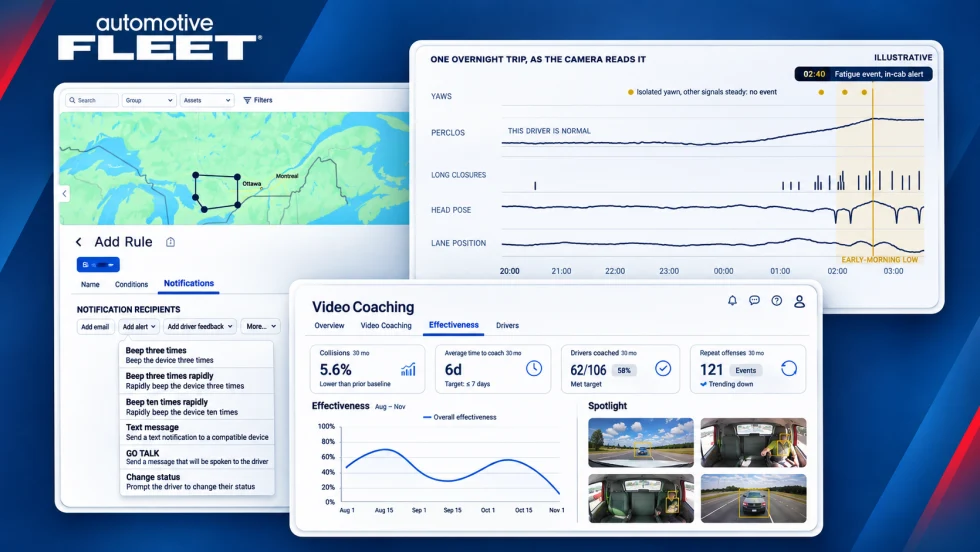
Geotab Adds AI-Powered Driver Coaching and Fatigue Detection Features
New capabilities include fatigue monitoring, two-way audio, coaching effectiveness analytics and location-based privacy controls for fleet safety management.
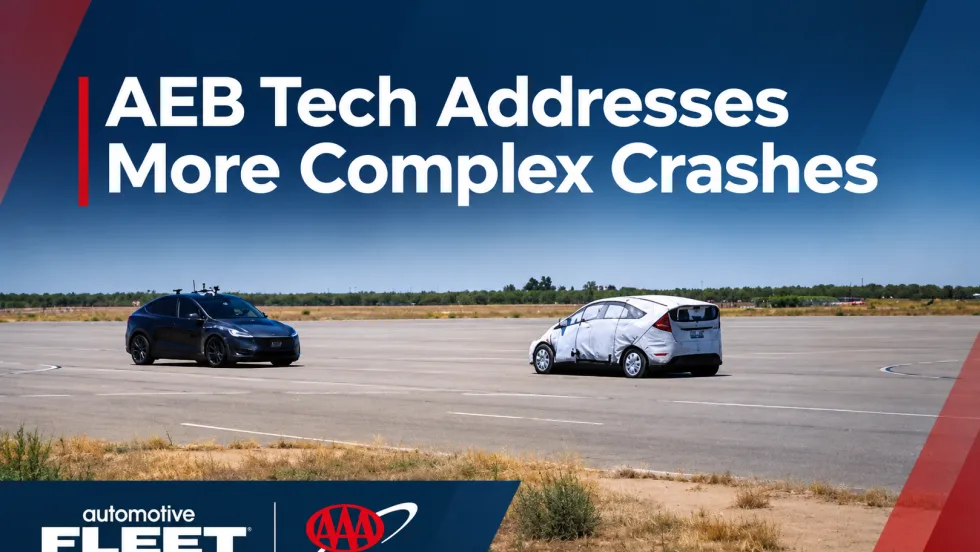
AAA Testing Finds Gaps in Intersection AEB Crash Prevention
Testing of four 2026 model-year vehicles found that automatic emergency braking prevented collisions in standardized intersection scenarios, but three vehicles failed to avoid crashes when another vehicle turned into their path.

Which Fleet Types Have the Highest Severe Speeding Rates?
New research from SambaSafety finds significant differences in speeding rates across fleet industries, even as nearly 90% of surveyed fleets report using telematics.

When a Cyberattack Hits Your Fleet: What Happens Next?
“You have two opportunities to test your plans: when you choose or when the threat actor chooses.” A cybersecurity expert reveals what fleet managers need to know before a cyberattack puts their operations at risk — and why the decisions made in the first moments can shape the entire recovery.

Tips for Driving Safely on Halloween Night
This video features a reminder from the Connecticut Department of Transportation (DOT) and the Connecticut Police Chiefs Association, urging drivers to prioritize safety this Halloween.
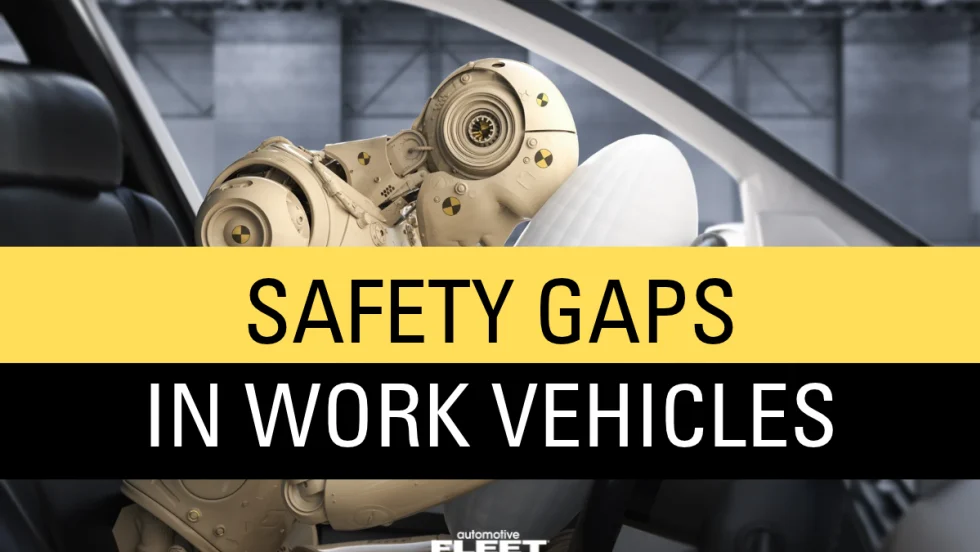
IIHS Crash Avoidance Tests Reveal Safety Gaps in Cargo Vans and Work Trucks
New IIHS crash avoidance ratings show uneven performance among cargo vans and heavy-duty pickups, with most struggling to avoid vehicle-to-vehicle collisions.
What’s Next for Fleet? Safety, AI & Industry Recognition | AF News Recap
Could your company's culture be encouraging distracted driving? This week, we're exploring how workplace expectations affect driver safety, what AI, EVs, and autonomous vehicles could mean for the future of fleet management, and how fleet professionals can strengthen their award nominations.

Does Your Fleet's Culture Encourage Distracted Driving?
What happens when the people responsible for enforcing safety rules are the ones setting the wrong example? The answer may reveal why some of the biggest risks to fleet drivers have little to do with what's written in the employee handbook.
Fleet Manager’s Ultimate Playbook: Navigating the New Standard in OEM Connectivity
Rising operating costs, driver safety concerns, and unplanned downtime are putting unprecedented pressure on modern fleets. Discover how fleet managers use embedded OEM connectivity and real-time vehicle data to cut TCO, prevent downtime, and protect drivers without aftermarket telematics hardware.
From Driver Well-Being to EV Charging | AF News Recap
Mental health belongs in the fleet safety conversation. This week, we’re looking at five ways fleets can support employee well-being before a crisis, plus Holman’s expansion in Mexico, new one-day Fleet Forward passes, and why EV charging demand is outpacing infrastructure growth.