




Home-Tech Fleet Transitions to Electronic Accounts Payable Solution
Seeking a better way to handle its fuel purchases, Home-Tech's fleet made the switch from a traditional plastic credit card to an electronic accounts payable solution.
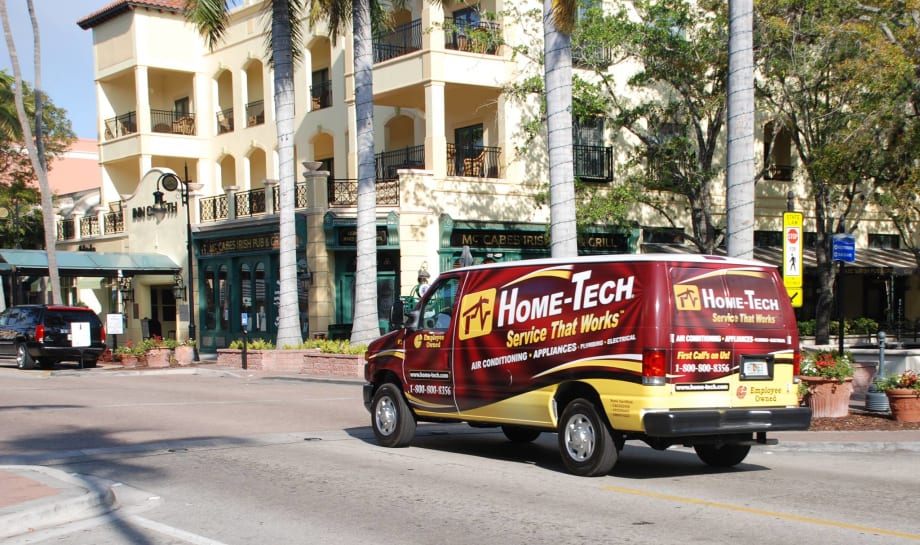
Photo: Home-Tech/CSI

Photo: Home-Tech/CSI
Seeking a better way to handle its fuel purchases, Home-Tech's fleet made the switch from a traditional plastic credit card to an electronic accounts payable solution.
Home-Tech, a regional service company with a fleet of 75+ service vehicles, initially sought a fuel card solution to better manage its fuel spend. Upon analyzing the options in the market, the fleet chose to adopt CSI's full suite of no-cost payment solutions and launched global-fleet, globalVCard for accounts payable, and CSI’s traditional P-card.
Home-Tech was using American Express plastic cards before adopting CSI’s electronic accounts payable solution. “These cards work well for us and allow us to earn gift card rewards, which are useful to give as employee rewards or other ‘thank you’ gifts,” said Sonya Sawyer, CFO for Home-Tech. “But when paying vendors through the plastic cards, it’s a manual process where we provide the card number over the phone.”
Home-Tech initially moved 50 percent of its payables over to CSI’s virtual program,gaining efficiencies through automation and reducing costs by eliminating paper checks. “Writing checks is archaic. This is a new way to make payments that’s easy and allows us to earn 1 percent cash back,” Sawyer said.
Home-Tech reduced the number of checks written by 40 percent within the first six month. The company plans to continue expanding its use of virtual card payments throughout its business, including its corporate giving program, according to CSI. For those vendors that continue to require manual payment at the time of purchase, Home-Tech relies on CSI’s plastic credit card which provides the same opportunity to earn cash back rewards based onspend volume.
CSI’s fuel cards enable the company to save on fuel costs, one of the biggest cost centers for fleets of any size. “Before CSI, I had no idea how much more expensive fuel was in certain areas around us and how big of a difference in price five miles could make,” said Chelsea Skaff, who oversees the fuel program for Home-Tech.
Skaff said the real-time reporting available has helped the company better manage fuel usage,and the free Smart Buy application provides the ability to locate the lowest priced fuel options in the fleet's operational area. One of the transitions that required a shift in thinking on Home-Tech’s part was the need to fund payments immediately. “With the virtual card program, we didn’t have the ability to wait 30-40 days to cover the payments like we had been accustomed to,” Sawyer recalled. “Once we became familiar with the program, we adapted and the cash flow difference has been more than compensated by the rebate we receive through the program. The 1 percent back is a no brainer.”
More Fuel
Fuel Prices Surge in September | September Fuel Update
September brought major fuel price swings, including diesel crossing $6 a gallon. Here’s how gas and diesel prices changed throughout the month, and where they stood heading into October.
Read More →
Turning Fleet Payment Data into Executive Insights
Ramel Lindsay of U.S. Bank Voyager discusses how fleets can transform payment and transaction data into actionable intelligence to reduce costs, improve oversight, and support executive decision-making.
Read More →
Why the IRS Raised Its Mileage Rate in the Middle of 2026
Fuel-price volatility drove the rare increase to 76 cents per mile, the fifth midyear adjustment since 2000.
Read More →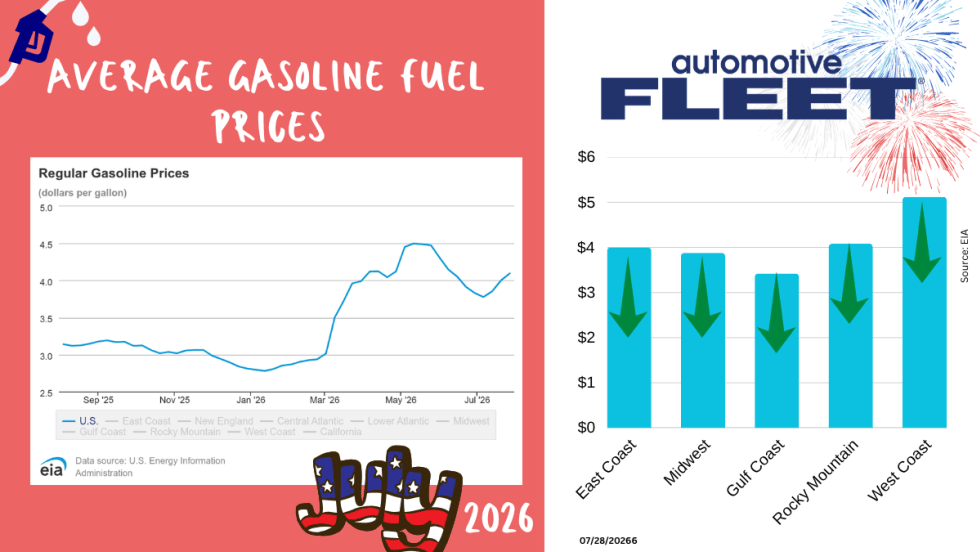
July Fuel Update: Prices Keep Rising in Light of More Conflict
Gas prices continue to rise as more and more conflicts do, too.
Read More →
Bob Adamsky on Fuel Volatility: "Don't Panic, Have a Plan."
When it comes to up and down fuel prices, Adamsky has a message for fleets: “Don’t panic.”
Read More →
How Fleets Can Gain Control of Non-Fuel Spend
Fuel often gets the spotlight, but non-fuel expenses can have a major impact on fleet costs. Ramel Lindsay of U.S. Bank Voyager discusses how fleets can gain better visibility and control over these often-overlooked expenditures.
Read More →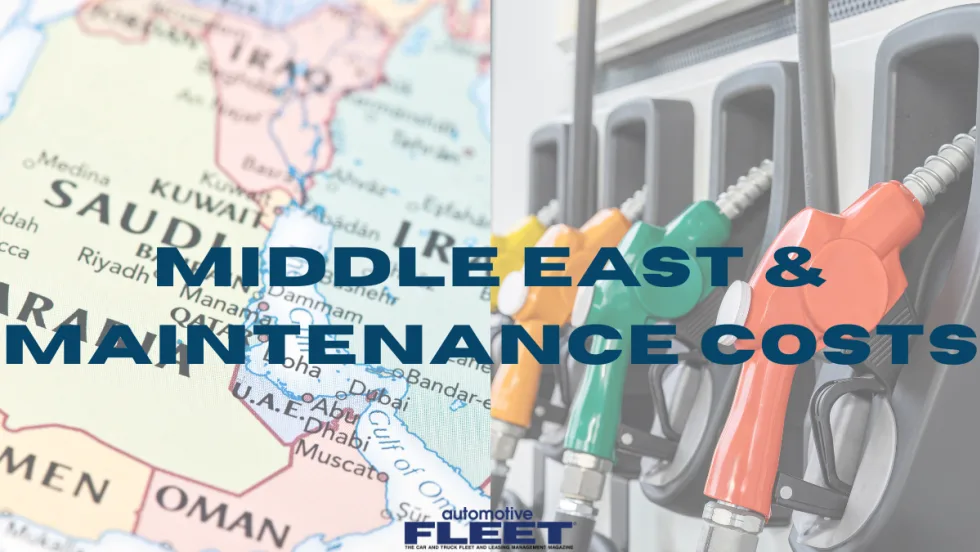
Fuel is Just the Start: How Middle East Tensions are Driving Up Fleet Maintenance Costs
The Middle East conflict is doing more than pushing up fuel prices. It’s also raising the cost of key maintenance products your fleet depends on, from motor oil to tires to windshield wipers. Here’s what you need to know about this budget-busting situation.
Read More →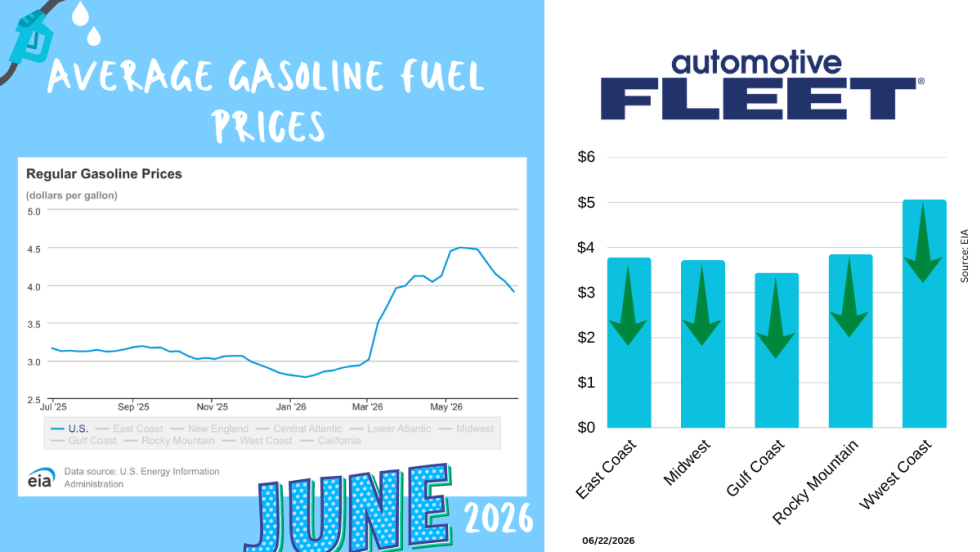
June Fuel Update: Prices Fall Below $4
Drivers are finally getting some relief at the pump. The national average gas price has dropped below $4 a gallon for the first time in months, with prices falling in 47 states as oil markets react to developments in U.S.-Iran negotiations.
Read More →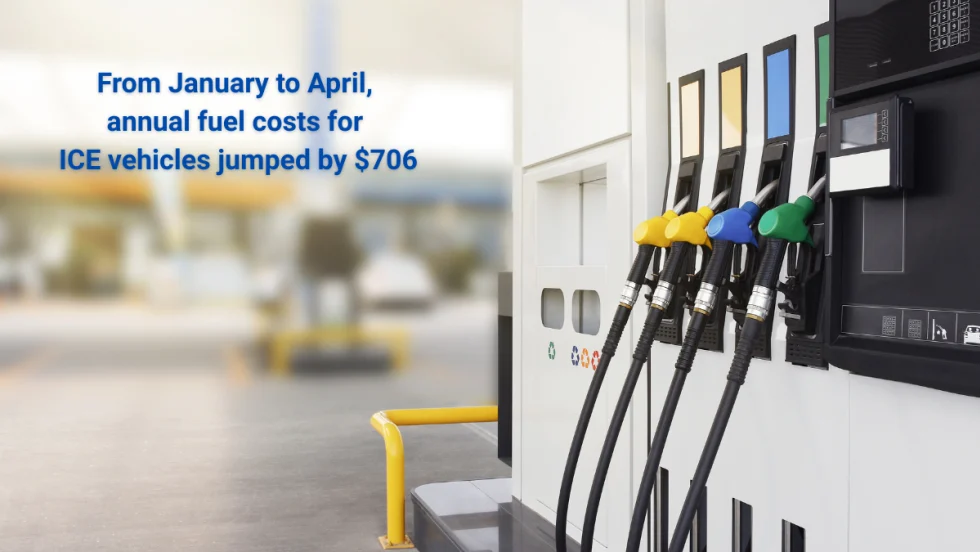
Study: How 2026's Gas Price Hikes Affect Different Vehicle Types
New data from iSeeCars reveals how rising fuel costs have affected different vehicle segments as gasoline prices climbed nearly 46% over the past four months.
Read More →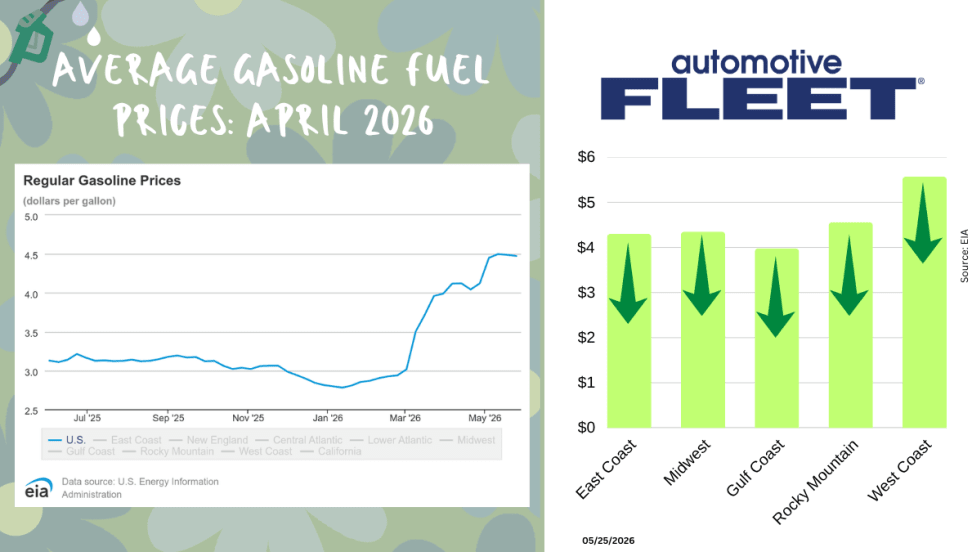
May Fuel Update: All Regions Experience Declines
Gas prices are finally easing in much of the country, but experts warn global tensions could quickly reverse the trend as the national average remains well above last month’s levels.
Read More →