




Hino Motors Finalizes 2020 Environmental Plan
Under the plan, Hino will focus on building a low-carbon society, creation of a closed loop economy, environmental conservation & creation of a society coexisting in harmony with nature, and environmental management.

Photo of Hino 195 class 5 cabover with stake body courtesy of Hino.
Hino Motors, Ltd. has finalized its 2020 Environment Initiative Plan, an action plan for environmental measures spanning from fiscal 2016 to 2020.
Under this plan, Hino will continue focusing on the main areas designated in its 2015 Environment Initiative Plan, which is its action plan effective until March 31, 2016. These areas are building a low-carbon society, creation of a closed loop economy, environmental conservation & creation of a society coexisting in harmony with nature, and environmental management.
They will work to help realize low-carbon societies by improving the fuel efficiency of their trucks and buses while developing and promoting next-generation vehicles. The company also intends to reduce its carbon dioxide emissions at the production and logistics stages by making its manufacturing more environmentally friendly and its transport operations more efficient. At the vehicle usage stage, they will promote “Eco-driving” to customers with the goal of enabling them to use Hino vehicles in ways that are easier on the environment.
At the product development and design stages, Hino will consider how to more effectively utilize resources and incorporate recycling into its vehicle designs. The company also intends to reduce waste matter and reuse resources across all stages of the vehicle lifecycle, from production through to disposal. It will also work to ensure proper compliance with automobile recycling-related laws and regulations in every country.
Hino will actively work to release low-emission vehicles to the market in order to help improve air quality in each of the countries and regions where they are sold. At all of its factories, the company will promote measures that consider biodiversity, with the goal of operating them in a sustainable manner, in harmony with local ecosystems. They also plan to organize environmental activities together with the residents of areas surrounding its worksites for the purpose of helping those communities thrive in harmony with nature.
Finally, they are putting environmental management into practice in collaboration with Hino Motors Group companies around the world. Each member company of the Group worldwide is putting action plans in place and carrying out activities intended for meeting specified targets. In addition, Hino intends to help raise awareness of the environment through related training programs for its employees, along with educational seminars and other environmental events, and it will proactively disclose information about its activities via its websites, CSR reports, and other publications.
Originally posted on Work Truck Online
More Green Fleet

Merchants Fleet Reports 290M EV Miles as Fleets Navigate Changing Electrification Market
From millions in operating savings to hundreds of millions of EV miles, Merchants Fleet’s latest report reveals what’s working and what’s changing in fleet electrification.
Read More →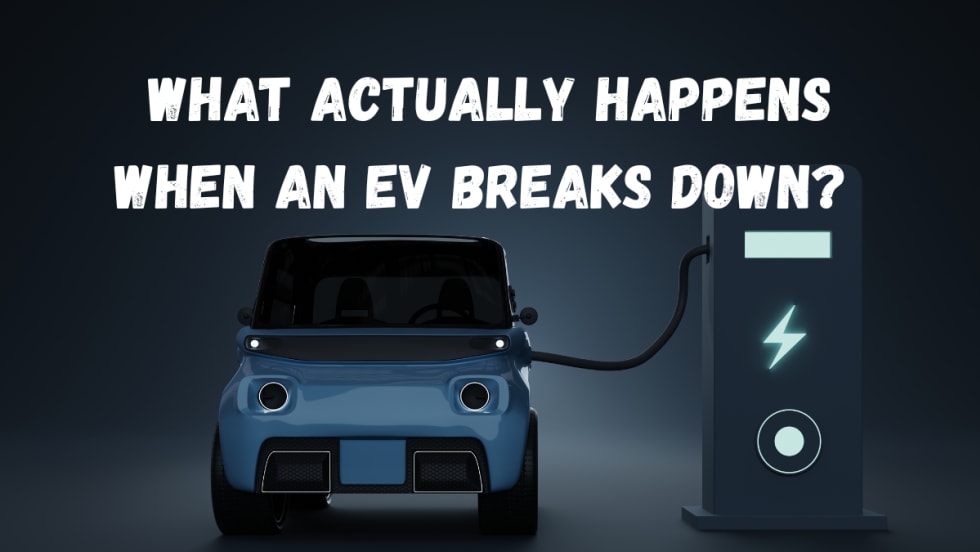
The EV Breakdown Nobody's Talking About: Why Most Electric Vehicle Roadside Calls Aren't Mechanical Failures
Here's why EV breakdowns are widely misunderstood.
Read More →
ChargePoint Now Available in Energy Pass
ChargePoint and additional planned charging network integrations were added to GM's Energy Pass.
Read More →

First Look: Slate Auto's Electric Fleet Pickup
Could an affordable, modular EV pickup make electrification more practical for fleets?
Read More →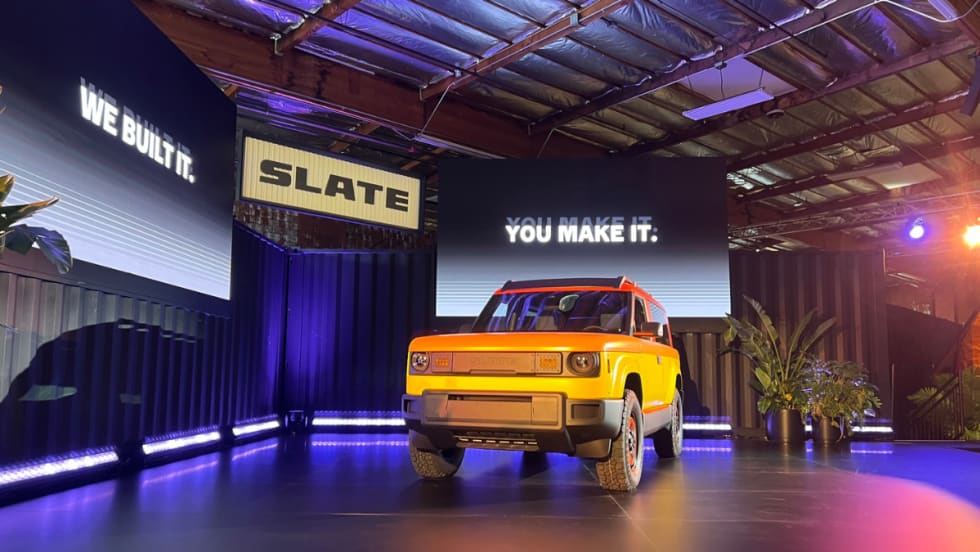
Slate Debuts Colorful, Unique EV Models
A recent media and client event, studded with electric vehicles dressed up on platforms, planted a new position for the manufacturer in the wider EV market. Fleets will find cost-saving advantages.
Read More →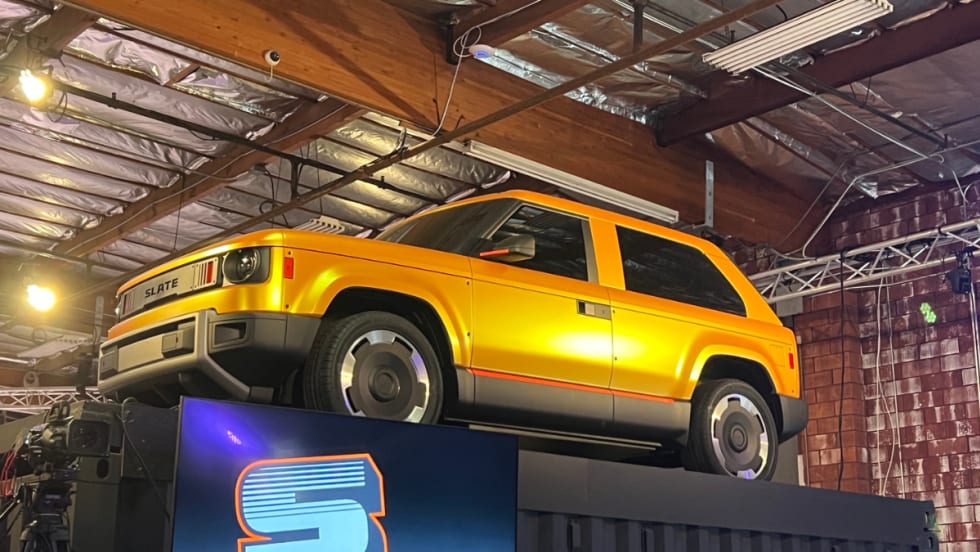
Slate Electric SUV, Pickup Switchable Model Aims For Light-Duty Fleets
Everything about this EV is counterintuitive and understated, making it stand out from the crowd.
Read More →
Inspiration Mobility Acquires Key Electrada Assets
Inspiration Mobility Group has acquired select assets of Electrada, adding the fleet electrification provider's team, technology, and charging infrastructure development capabilities to its energy management business.
Read More →
Turning Connected Vehicle Data Into Decisions That Matter
Fleet leaders have more data than ever, but turning that data into clear, actionable decisions remains a challenge. This white paper shows how leading organizations are using connected vehicle data to improve safety, reduce costs, and optimize fleet performance. Learn how to turn insight into action across your fleet.
Read More →
Are You Tracking Your Fleet's True Total Cost of Ownership?
Bobit Business Media surveyed 190 fleet professionals and found that while most fleets are tracking costs, fragmented systems and data gaps are keeping true TCO visibility out of reach. With rising pressure to control spend in an increasingly volatile environment, the gap between what fleets think they know and what the data actually shows is wider than you might expect. See how your peers are managing costs today and where the industry still has room to improve.
Read More →