




Hawaii Sees Spike in Auto Insurance Fraud Convictions
HONOLULU --- Hawaii saw a 61 percent increase in criminal convictions for insurance fraud in 2008, according to the Insurance Fraud Investigation Unit of the state's Department of Commerce and Consumer Affairs (fraud unit).
HONOLULU --- Hawaii saw a 61 percent increase in criminal convictions for insurance fraud in 2008, according to the Insurance Fraud Investigation Unit of the state's Department of Commerce and Consumer Affairs (fraud unit).
Fraud unit convictions increased from 18 in 2006 to 34 in 2007 and 55 in 2008. Convictions for felony charges may result in a prison sentence of up to 10 years and/or a fine of $25,000, said Christine Hirasa, public information officer for the Department of Commerce and Consumer Affairs.
Examples of insurance fraud cases in 2008 include charges involving a Big Island resident, a body shop owner, and a career criminal.
Beverly Medeiros, an educational assistant in Pahoa, Hawaii was investigated for five separate cases. Medeiros alleged that she was unable to work due to injuries from an auto accident. Medeiros created fictitious employers and used a post office box address to intercept all correspondence. Medeiros defrauded three different insurance companies. In January 2008, Medeiros was sentenced to 30 days in jail. Medeiros was also ordered to pay restitution totaling more than $103,000 along with court fees in the amount of $1,380.00.
In a separate case, body shop owner Bryan Hong pleaded no contest and was granted a deferral for defrauding an insurance company. In October 2008, Hong was ordered to pay nearly $4,000 in restitution for work that the company paid for but was not performed. The work consisted of safety and structural repairs to a customer of O’Sung Auto Body. Hong was further ordered to pay a $1,500 fine and complete a five-year probationary period.
In a typical case of insurance fraud, Noelani Delizo obtained insurance coverage after she was involved in a three-car accident. Delizo then reported a false date of accident in an attempt to have her insurance company pay for the damages. In November 2008, the court ordered Delizo to serve a five-year prison term for attempting to obtain fraudulent insurance benefits. She was also ordered to pay $500 in restitution to the accident victims.
More Safety
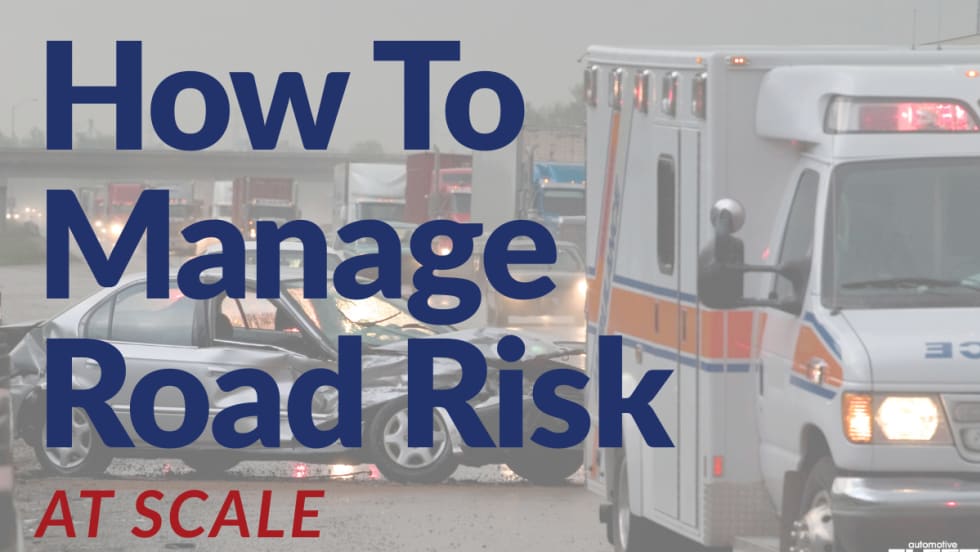
Managing Road Risk at Scale: Why Fleet Safety Needs a Data-Driven Framework
Insights from the FIA Road and Driver Safety Indexes reveal how to manage road risk on a larger scale.
Read More →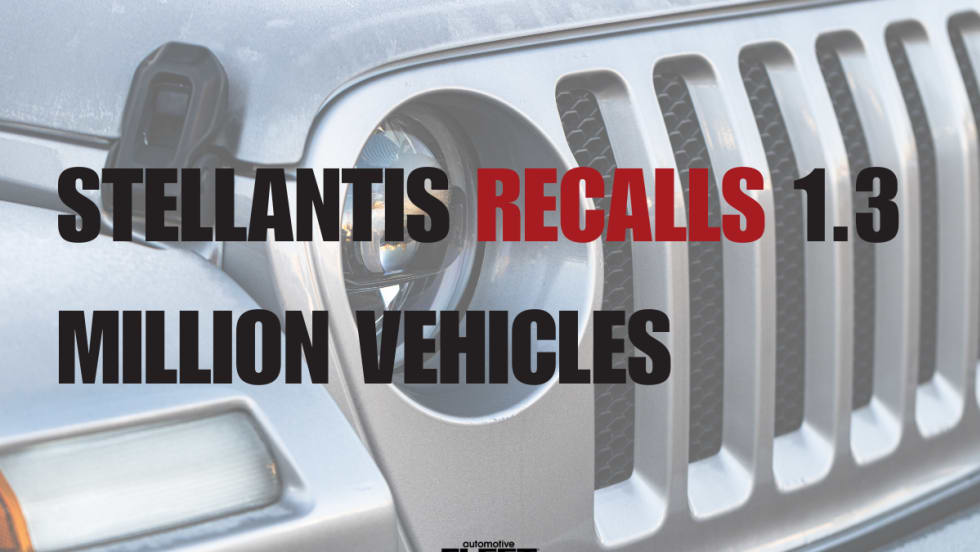
Stellantis Recalls 1.3 Million Jeep Vehicles Worldwide Over Fire Risk
Stellantis is recalling more than 1.3 million Jeep Wrangler and Gladiator models worldwide over a fire risk linked to power steering pump wiring.
Read More →
Coaching Is Not Training, Even When AI Is Doing It
AI-powered safety platforms can detect risky behaviors and deliver immediate feedback. But effective driver development still requires a foundation of training followed by coaching that reinforces those skills.
Read More →
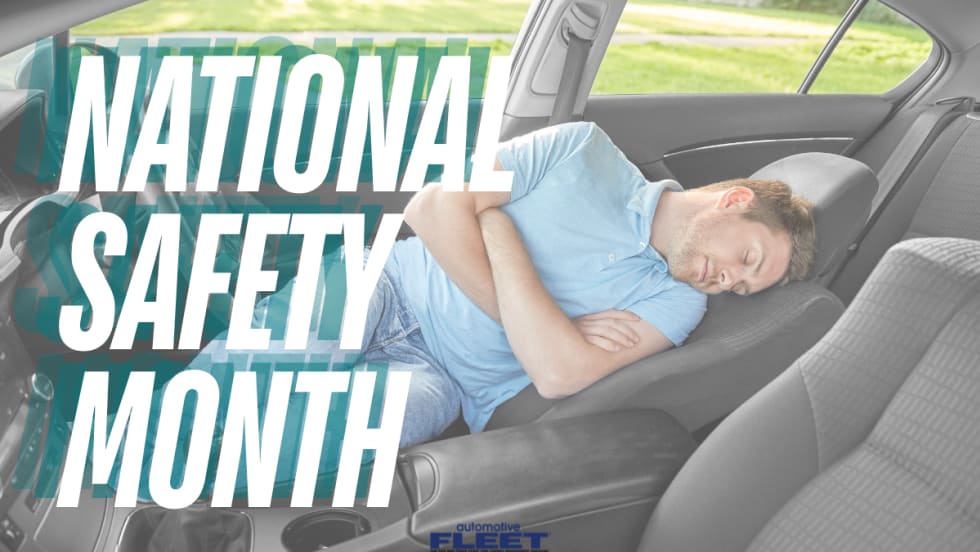
How Emotions Behind the Wheel Can Affect Fleet Safety
During National Safety Month, fleets are encouraged to look beyond distracted driving and recognize how stress, fatigue, and emotional well-being influence driver performance and crash risk.
Read More →
Nominations Open for 2026 Fleet Safety Award
Nominations have officially opened for the 2026 Fleet Safety Award Winner.
Read More →
Turning Connected Vehicle Data Into Decisions That Matter
Fleet leaders have more data than ever, but turning that data into clear, actionable decisions remains a challenge. This white paper shows how leading organizations are using connected vehicle data to improve safety, reduce costs, and optimize fleet performance. Learn how to turn insight into action across your fleet.
Read More →
Cameras, Safety and Insurance: From Reactive Claims to Real-time Prevention
Commercial auto remains one of the most challenging and costly lines of coverage for fleet operators and insurers alike. Learn more about how to effectively address these issues from Onur Aksan, Enterprise Business Development Executive, Geotab.
Read More →
NAFA Fleet Safety Symposium to Collocate With 2026 Fleet Forward Conference
The daylong certificate program will precede the Fleet Forward Conference at the Gaylord National Harbor in Maryland.
Read More →
The Distractions You Can’t Turn Off: What Drivers Face Outside the Vehicle
Fleet drivers face constant visual, cognitive, and environmental interruptions the moment they hit the road. From roadside chaos to mental fatigue and digital overload, today’s biggest driving risks often come from outside the vehicle itself.
Read More →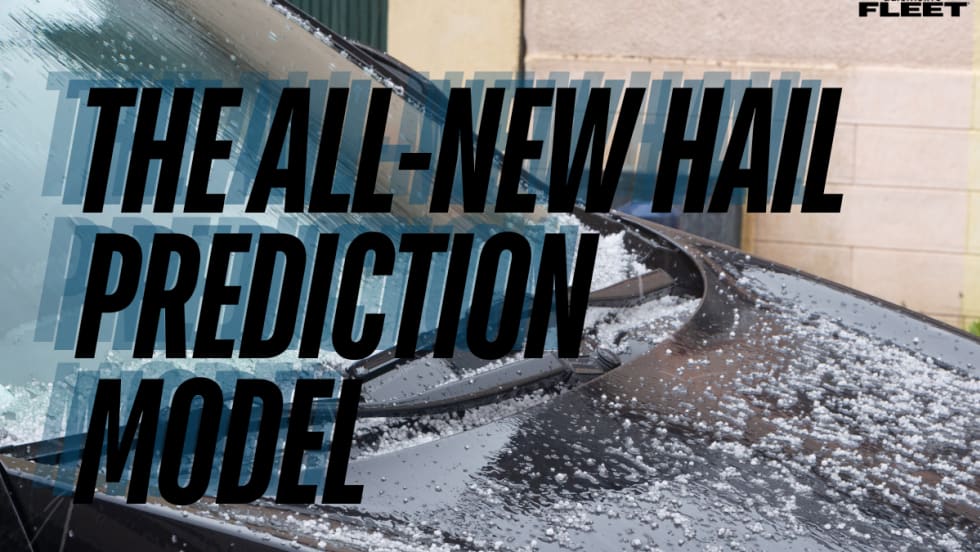
FLASH Weather AI Launches First Deep-Learning Hail Prediction Model With High-Resolution Forecasting
FLASH Weather AI has launched a first-of-its-kind hail prediction model capable of forecasting hail size and arrival time at 1-kilometer resolution up to 55 minutes ahead, giving fleets and insurers critical time to prepare for severe storms.
Read More →