




Hamilton, NJ, Garbage Trucks Switch to Natural Gas
HAMILTON, NJ --- The township of Hamilton, which contracts Central Jersey Waste and Recycling for its garbage collection, is getting a new fleet of natural gas-powered garbage trucks.
HAMILTON, NJ --- The township of Hamilton, which contracts Central Jersey Waste and Recycling for its garbage collection, is getting a new fleet of natural gas-powered garbage trucks.
At a press conference, Hamilton Mayor John Bencivengo joined with representatives from Central Jersey Waste and Recycling and Clean Energy Fuels to make the announcement in front of one of the new vehicles that runs on natural gas.
As part of the township's garbage collection contract, Bencivengo's administration specified that Central Jersey Waste and Recycling use clean fuel technology during the 2009 calendar year. Central Jersey Waste and Recycling, based in Trenton and Ewing, constructed a natural gas refueling facility at its Trenton property to service the township's needs. In addition, the company purchased 10 new natural gas-fueled refuse trucks, which will operate six days a week in Hamilton Township. These 10 new natural-gas fueled trucks will replace 10 diesel-fueled trucks previously used in Hamilton for garbage collection.
"We are moving our township in the right direction when it comes to protecting our environment," said Bencivengo. "Today, we are taking a step that will not only improve the quality of life for Hamilton residents, but encourage other towns from all across the state to follow our example and create a cleaner New Jersey for us all."
Central Jersey Waste and Recycling will work with Clean Energy Fuels to operate and maintain the fueling station, the first of its kind in New Jersey. Central Jersey Waste plans on expanding its use of natural gas-fueled vehicles and expects to maintain the distinction of having the largest natural gas-fueled solid waste collection fleet in the state.
"Central Jersey Waste is proud to have committed to the most efficient and environmentally friendly solid waste and recyclable material collection operation in the state of New Jersey," said Frank Fiumefreddo Jr., company president. "To that end, Central Jersey Waste has committed millions of dollars in capital improvements for natural gas fueling infrastructure at its operations base, lowering soot and other airborne emissions, lowering noise levels and increasing the efficiency of its operations."
The positive environmental benefits of clean-burning natural gas trucks include: Greater than an 85-percent reduction in nitrogen oxide (smog) emissions, greater than a 90-percent reduction in particulate matter (soot) emissions, and a 23-percent reduction in greenhouse gases as compared to diesel trucks. Replacing just one diesel garbage truck with a natural gas garbage truck has the same emission benefits as taking 325 cars off the road per year.
Natural gas trucks are also 90 percent quieter than diesel trucks. In addition, the clean-burning natural gas is domestic, which increases the nation's energy security and will directly reduce the amount of foreign-imported diesel fuel used by Central Jersey Waste and Recycling.
Overall, Central Jersey Waste and Recycling has estimated replacing over 150,000 gallons of foreign-produced diesel with domestically produced, clean-burning natural gas with its new trucks that will be serving Hamilton Township. As Central Jersey expands its operations and purchases more vehicles, the company anticipates replacing 300,000 gallons of foreign-produced diesel with domestically produced natural gas within the next two years.
"I want to commend Central Jersey Waste and Recycling on working with us to help make this significant environmental achievement possible," concluded Mayor Bencivengo. "Together, the result will benefit current and future Hamilton residents for years to come."
More Green Fleet

EV Charging Use Is Outpacing Infrastructure Growth
ChargePoint’s 2026 Charging Forward Report points to rising charger use, higher-powered charging, commercial vehicle electrification, and energy-management technology. Here’s what fleets should know.
Read More →
Merchants Fleet Reports 290M EV Miles as Fleets Navigate Changing Electrification Market
From millions in operating savings to hundreds of millions of EV miles, Merchants Fleet’s latest report reveals what’s working and what’s changing in fleet electrification.
Read More →
The EV Breakdown Nobody's Talking About: Why Most Electric Vehicle Roadside Calls Aren't Mechanical Failures
Here's why EV breakdowns are widely misunderstood.
Read More →
ChargePoint Now Available in Energy Pass
ChargePoint and additional planned charging network integrations were added to GM's Energy Pass.
Read More →

First Look: Slate Auto's Electric Fleet Pickup
Could an affordable, modular EV pickup make electrification more practical for fleets?
Read More →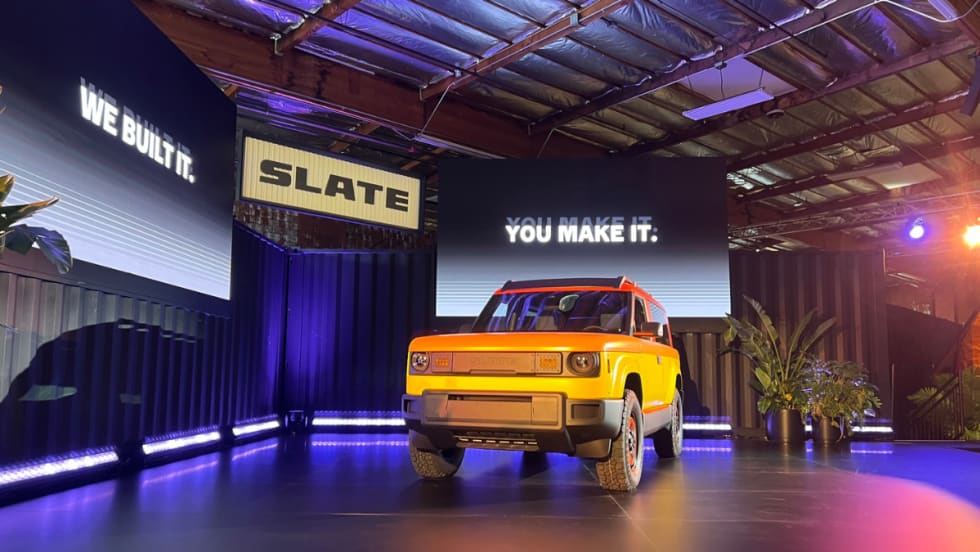
Slate Debuts Colorful, Unique EV Models
A recent media and client event, studded with electric vehicles dressed up on platforms, planted a new position for the manufacturer in the wider EV market. Fleets will find cost-saving advantages.
Read More →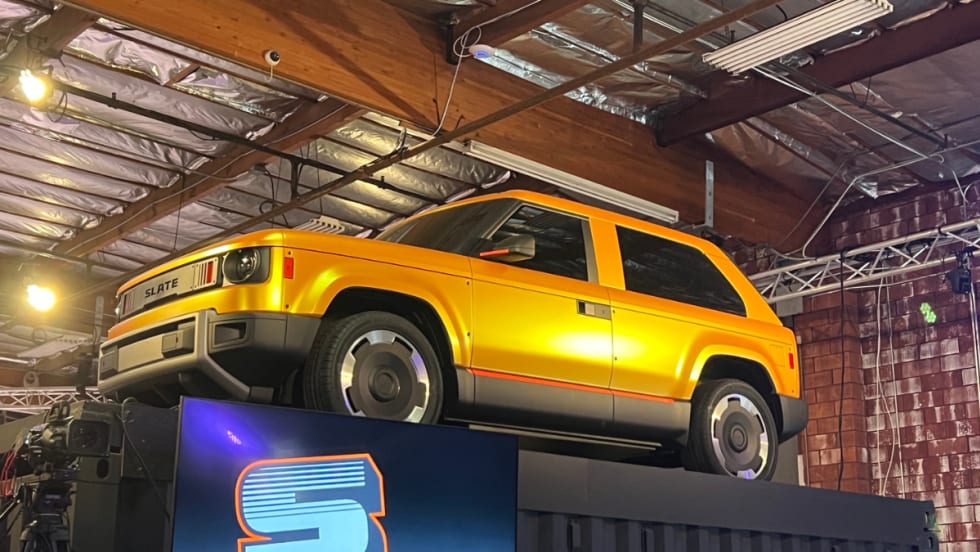
Slate Electric SUV, Pickup Switchable Model Aims For Light-Duty Fleets
Everything about this EV is counterintuitive and understated, making it stand out from the crowd.
Read More →
Inspiration Mobility Acquires Key Electrada Assets
Inspiration Mobility Group has acquired select assets of Electrada, adding the fleet electrification provider's team, technology, and charging infrastructure development capabilities to its energy management business.
Read More →
Turning Connected Vehicle Data Into Decisions That Matter
Fleet leaders have more data than ever, but turning that data into clear, actionable decisions remains a challenge. This white paper shows how leading organizations are using connected vehicle data to improve safety, reduce costs, and optimize fleet performance. Learn how to turn insight into action across your fleet.
Read More →