




Grant Money Available for Missouri Diesel Fleets
JEFFERSON CITY, MO - The Missouri Department of Natural Resources has been awarded a federal grant to implement diesel emission reduction projects in the St. Louis, Kansas City, southwest Missouri, and southeast Missouri areas. Public and private fleets in these areas that operate diesel on- and off-road vehicles and equipment can apply for grant funding through local organizations.
JEFFERSON CITY, MO - The Missouri Department of Natural Resources has been awarded a $352,941 federal grant to implement diesel emission reduction projects in the St. Louis, Kansas City, southwest Missouri, and southeast Missouri areas. Public and private fleets in these areas that operate diesel on- and off-road vehicles and equipment can apply for grant funding through local organizations.
The U.S. Environmental Protection Agency awarded the grant to the DNR with funds made available through the Diesel Emission Reduction Act, according to a release from the DNR.
This grant targets areas of the state that are facing the biggest air challenges, particularly in relation to ozone. These projects will assist the department in achieving the long-term goal of reducing harmful emissions produced by diesel engines as they contribute to the formation of ground-level ozone.
The grant process will be open to Missouri-based diesel fleet owners and operators.
In the St. Louis area, fleet owners and operators with eligible fleets located in the City of St. Louis and the following counties will be eligible to apply to funds: Lincoln, St. Charles, St. Louis, Franklin, Jefferson, Washington, and Warren. The organization implementing the project will be St. Louis Regional Clean Cities. The requests for proposals will be listed on their website when they are released and applications in that area of the state will be submitted directly to them.
In the Kansas City area, fleet owners and operators with eligible fleets located in the following counties will be eligible to apply to funds: Platte, Clay, Ray, Jackson, Cass, Clinton, and Buchanan. The organization implementing the project will be the Mid-America Regional Council. The requests for proposals will be listed on their website when they are released and applications in that area of the state will be submitted directly to them.
In the Southwest Missouri area, fleet owners and operators with eligible fleets located in the following counties will be eligible to apply to funds: Cedar, Polk, Dallas, Barton, Dade, Greene, Webster, Christian, Jasper, Newton, McDonald, Lawrence, Barry, Stone, and Taney. The organization implementing the project will be the Ozarks Center for Sustainable Solutions at Drury University. The requests for proposals will be listed on their website when they are released and applications in that area of the state will be submitted directly to them.
In the Southeast Missouri area, fleet owners and operators with eligible fleets located in the following counties will be eligible to apply to funds: St. Francois, Ste. Genevieve, Perry, Cape Girardeau, Bollinger, Madison, and Iron. The organization implementing the project will be the Southeast Missouri Regional Planning and Economic Development commission. The request for proposals will be listed on their website when they are released and applications in that area of the state will be submitted directly to them.
Department staff will use the grant award in a one-year period to create two different pools of funding.
The first pool of funding will be used to establish a program, which will be dedicated to early vehicle replacements and will fund up to 25 percent of a new vehicle purchase. The new vehicles purchased must use an EPA-certified engine configuration and also replace an older more polluting vehicle. Both public and private fleets will be eligible to apply under this program.
The second pool of funding establishes a program dedicated to reducing diesel emissions from existing fleets in Missouri. Eligible projects under this program will include EPA- or California Air Resources Board-verified emission control retrofits, EPA-verified idle reduction retrofits, aerodynamic technology, low rolling resistance tires, engine repowers that use an EPA-certified engine configuration, and the use of EPA-approved alternative fuels.
The program will fund public fleets at 100 percent of the cost of the project, except for engine repowers, which will require a 25-percent match. Private fleets will be eligible for 75 percent of the cost of the project for all projects, except the incremental cost difference of EPA-approved alternative fuels, which will receive 100 percent funding. Local organizations in each of these areas will administer and oversee their portion of the project. Each of these local organizations will be receiving a subgrant in the amount of $88,235 from the DNR.
All projects funded through this grant will be selected through the use of multiple requests for proposals in each target area. The local organizations administering the grant (listed above), will each release two requests for proposals, one for each pool of funding, expected to be released in December. Applications will be accepted for approximately two months after the requests for proposals are released.
More information can be found here.
More Green Fleet
EV Charging Use Is Outpacing Infrastructure Growth
ChargePoint’s 2026 Charging Forward Report points to rising charger use, higher-powered charging, commercial vehicle electrification, and energy-management technology. Here’s what fleets should know.
Read More →
Merchants Fleet Reports 290M EV Miles as Fleets Navigate Changing Electrification Market
From millions in operating savings to hundreds of millions of EV miles, Merchants Fleet’s latest report reveals what’s working and what’s changing in fleet electrification.
Read More →
The EV Breakdown Nobody's Talking About: Why Most Electric Vehicle Roadside Calls Aren't Mechanical Failures
Here's why EV breakdowns are widely misunderstood.
Read More →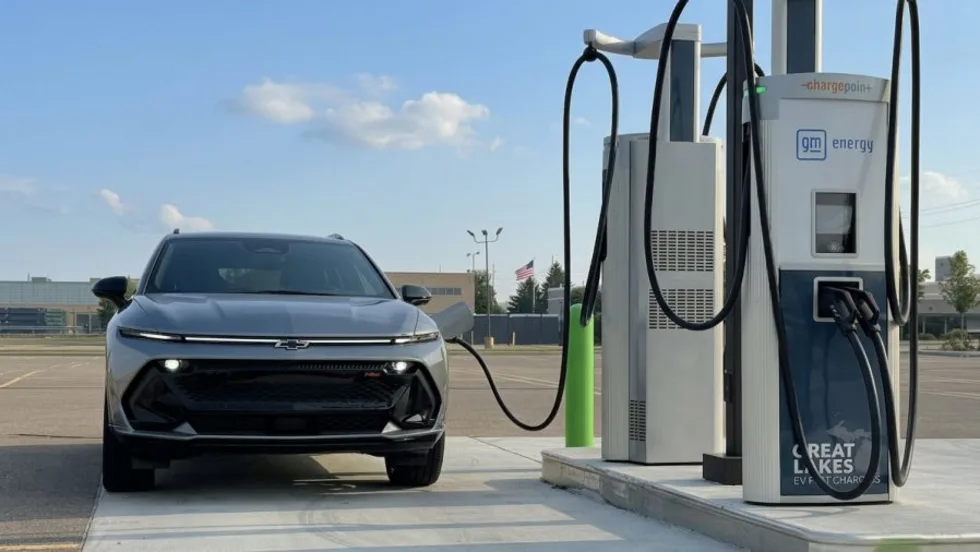
ChargePoint Now Available in Energy Pass
ChargePoint and additional planned charging network integrations were added to GM's Energy Pass.
Read More →

First Look: Slate Auto's Electric Fleet Pickup
Could an affordable, modular EV pickup make electrification more practical for fleets?
Read More →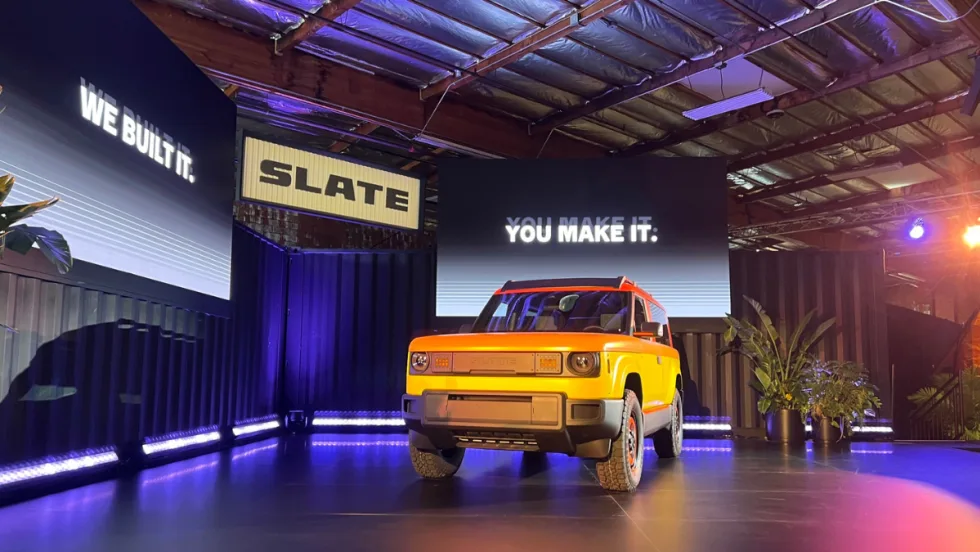
Slate Debuts Colorful, Unique EV Models
A recent media and client event, studded with electric vehicles dressed up on platforms, planted a new position for the manufacturer in the wider EV market. Fleets will find cost-saving advantages.
Read More →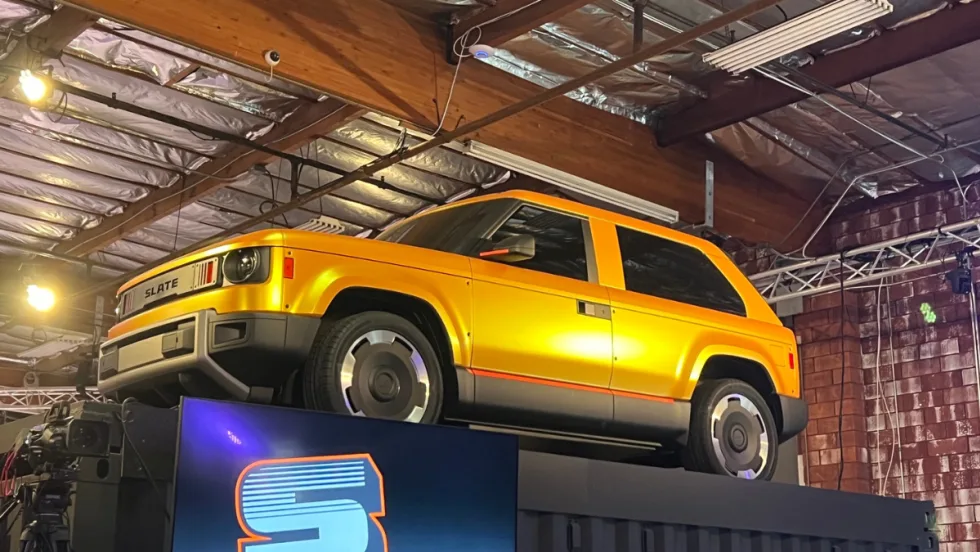
Slate Electric SUV, Pickup Switchable Model Aims For Light-Duty Fleets
Everything about this EV is counterintuitive and understated, making it stand out from the crowd.
Read More →
Inspiration Mobility Acquires Key Electrada Assets
Inspiration Mobility Group has acquired select assets of Electrada, adding the fleet electrification provider's team, technology, and charging infrastructure development capabilities to its energy management business.
Read More →
Turning Connected Vehicle Data Into Decisions That Matter
Fleet leaders have more data than ever, but turning that data into clear, actionable decisions remains a challenge. This white paper shows how leading organizations are using connected vehicle data to improve safety, reduce costs, and optimize fleet performance. Learn how to turn insight into action across your fleet.
Read More →