




GM: Volt Builds on Earlier Electrification Efforts
WARREN, MI - The Chevrolet Volts now being delivered to retail customers would not have been possible without the lessons learned from previous General Motors electrification efforts, according to the automaker.
WARREN, MI - The Chevrolet Volts now being delivered to retail customers would not have been possible without the lessons learned from previous General Motors electrification efforts, according to the automaker.
Many of the technologies resulting from the development of the groundbreaking EV1 in the 1990s, the Two-Mode hybrid SUVs and pickup trucks and the fuel cell Chevrolet Equinox used for the Project Driveway program are part of the Volt, GM said.
"The band is back together - only this time there are fans," said former EV1 chief engineer Jon Bereisa.
Regardless of whether a vehicle uses a hydrogen-powered fuel cell, a battery charged from the grid or just recovered kinetic energy from a hybrid drive system, the electric propulsion systems feature many common components and sub-systems. Traction motors and generators, power electronics and battery management systems work in much the same way for each. Improving one type can benefit all. Each alternative drive vehicle also relies on systems like electric power assisted steering, electronic brake control and electric climate control, according to GM.
While earlier vehicles were not built in mass-production numbers, many of the engineers that created them also contributed to the Volt development, including chief engineer Andrew Farah.
"By adapting sub-systems such as the EV1-descended motors developed for the front-wheel drive hybrid system and electronically controlled brakes from the fuel cell Equinox, the engineers were able to focus more resources on the new lithium-ion battery and overall vehicle integration," said Farah.
The hardware engineers weren't the only ones to benefit from the earlier programs.
"A new drive system like this involves a lot of complex control software such as the regenerative brake blending which benefited from the Two-Mode hybrid development," Farah added.
As the transportation ecosystem moves from a dependence on petroleum over the coming decades, electrification will allow vehicle engineers to separate the propulsion and energy storage systems, according to GM.
"In the future, vehicles will likely combine different energy systems including batteries, ultra capacitors and hydrogen fuel cells with common and scalable electric drives systems depending on regional and application needs," said Daniel O'Connell, director of fuel cell commercialization.
And the advancements will pay off in future generations of the Volt and other electric and hybrid vehicles coming to market. Even traditional internal combustion vehicles such as the new Chevrolet Cruze and the 2012 Buick LaCrosse with eAssist consume and pollute less thanks to the use of more energy efficient systems developed for electrified vehicles.
"Throughout GM's first century, internal combustion engines were the heart of the company's products. GM engineers are now using the lessons learned over the past two decades to make electric propulsion and energy storage systems a core competency for the next century," said Jamie Hresko, vice president of global powertrain engineering.
More Green Fleet
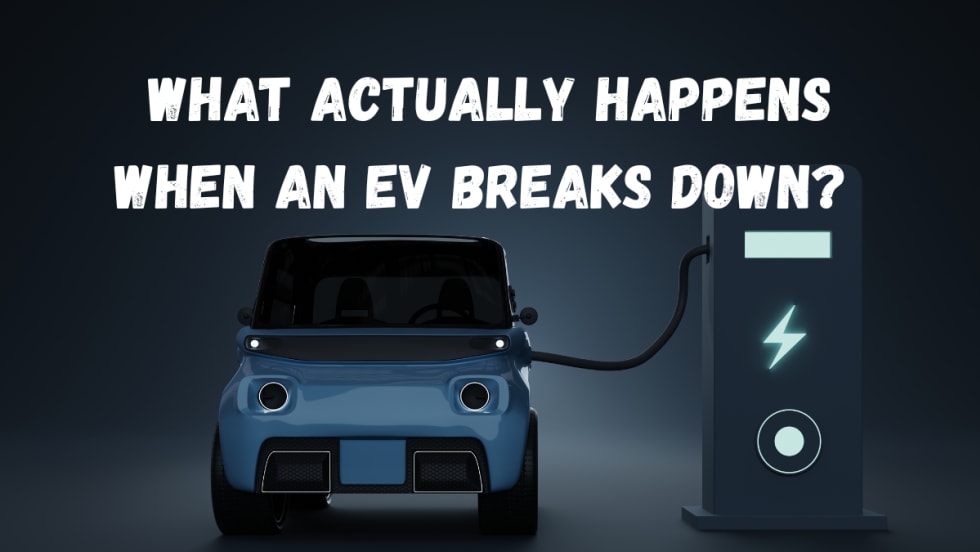
The EV Breakdown Nobody's Talking About: Why Most Electric Vehicle Roadside Calls Aren't Mechanical Failures
Here's why EV breakdowns are widely misunderstood.
Read More →
ChargePoint Now Available in Energy Pass
ChargePoint and additional planned charging network integrations were added to GM's Energy Pass.
Read More →
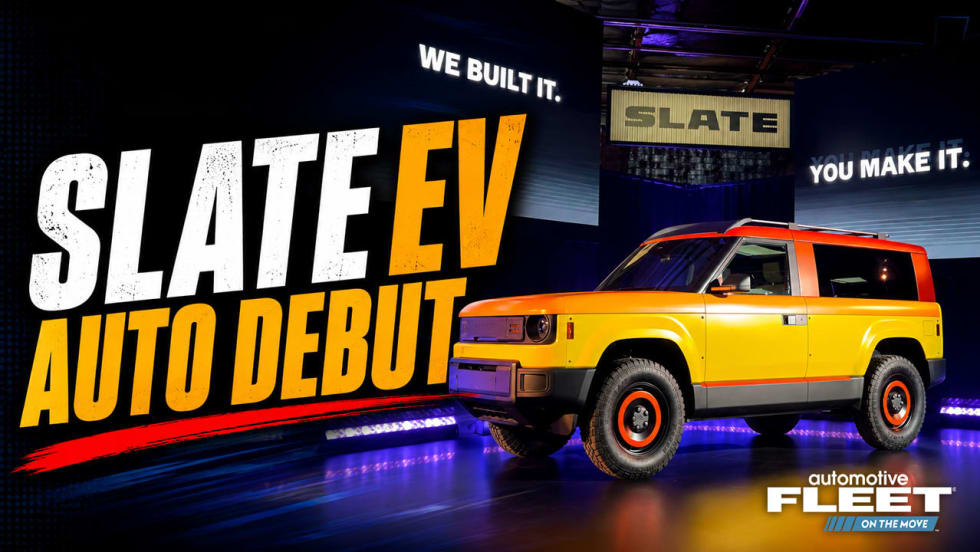
First Look: Slate Auto's Electric Fleet Pickup
Could an affordable, modular EV pickup make electrification more practical for fleets?
Read More →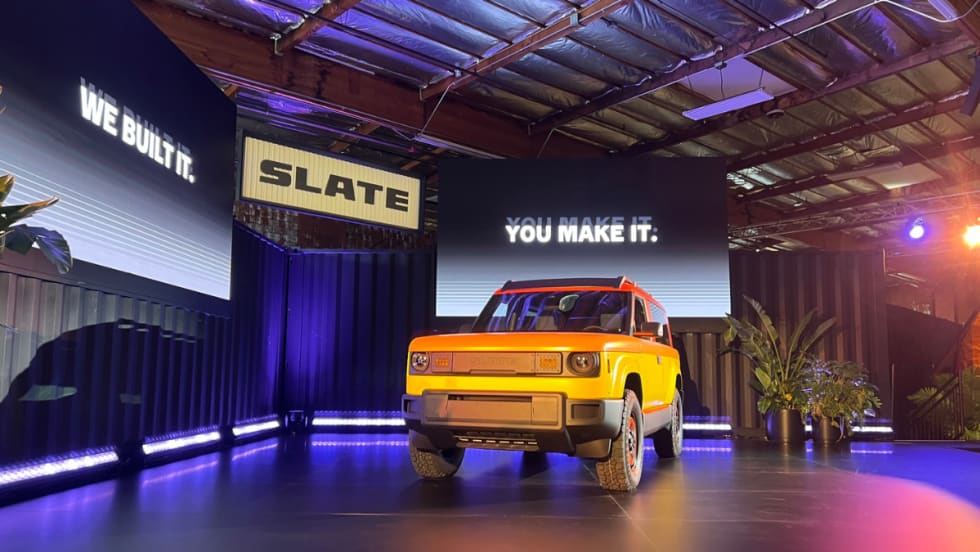
Slate Debuts Colorful, Unique EV Models
A recent media and client event, studded with electric vehicles dressed up on platforms, planted a new position for the manufacturer in the wider EV market. Fleets will find cost-saving advantages.
Read More →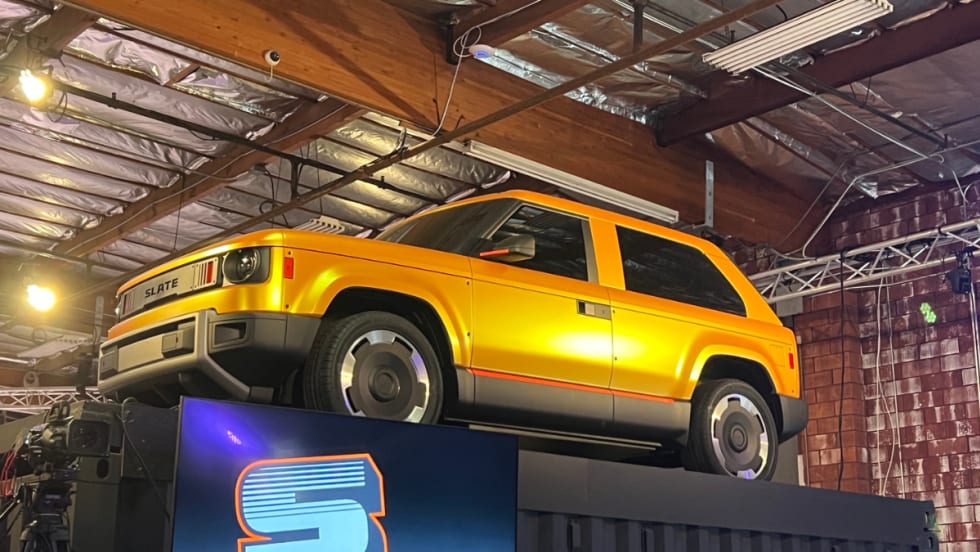
Slate Electric SUV, Pickup Switchable Model Aims For Light-Duty Fleets
Everything about this EV is counterintuitive and understated, making it stand out from the crowd.
Read More →
Inspiration Mobility Acquires Key Electrada Assets
Inspiration Mobility Group has acquired select assets of Electrada, adding the fleet electrification provider's team, technology, and charging infrastructure development capabilities to its energy management business.
Read More →
Turning Connected Vehicle Data Into Decisions That Matter
Fleet leaders have more data than ever, but turning that data into clear, actionable decisions remains a challenge. This white paper shows how leading organizations are using connected vehicle data to improve safety, reduce costs, and optimize fleet performance. Learn how to turn insight into action across your fleet.
Read More →
Are You Tracking Your Fleet's True Total Cost of Ownership?
Bobit Business Media surveyed 190 fleet professionals and found that while most fleets are tracking costs, fragmented systems and data gaps are keeping true TCO visibility out of reach. With rising pressure to control spend in an increasingly volatile environment, the gap between what fleets think they know and what the data actually shows is wider than you might expect. See how your peers are managing costs today and where the industry still has room to improve.
Read More →
Hybrids: Electrification Without the Challenges
For fleet managers, fuel is one of the biggest line items in the budget — and it's one hybrids can shrink without changing how your people work. Download the eBook to see the numbers, understand the technology, and get a step-by-step guide to making the switch.
Read More →