





Related: GM Touts Equinox Compact SUV Sales
GM Updates Equinox Compact SUV for 2016
General Motors' Chevrolet Equinox compact SUV gets a mid-cycle update for the 2016 model year that includes new styling, new available safety features, a larger color touchscreen, and standard rear-view camera for entry-level models.
February 12, 2015
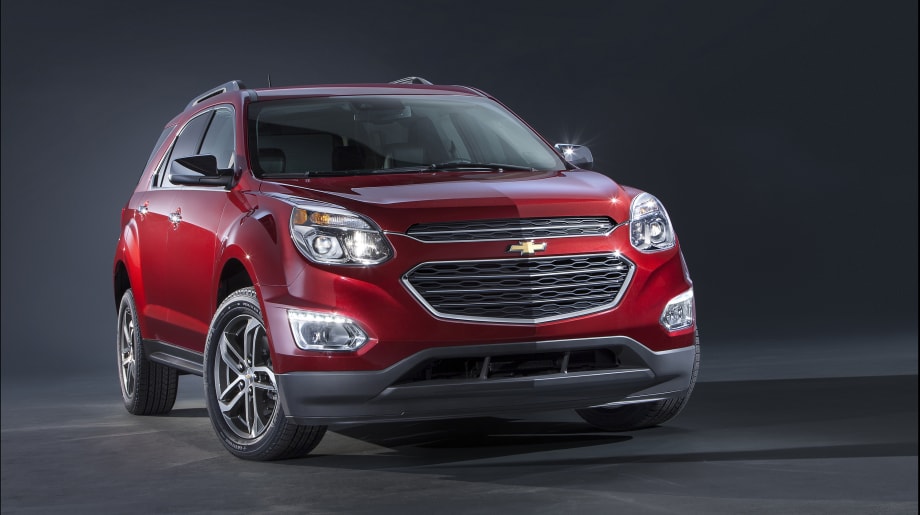
Photo of 2016 Chevrolet Equinox LTZ courtesy of GM.
3 min to read
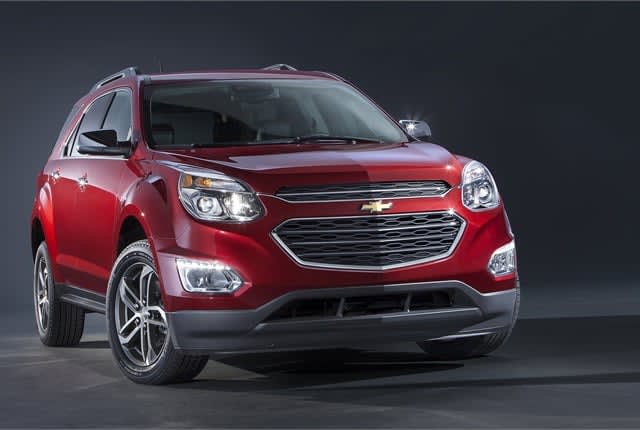
Photo of 2016 Chevrolet Equinox LTZ courtesy of GM.
General Motors' Chevrolet Equinox compact SUV gets a mid-cycle update for the 2016 model year that includes new styling, new available safety features, a larger color touchscreen, and standard rear-view camera for entry-level models.
GM will unveil the model on Feb. 12 at the Chicago Auto Show.
For 2016, GM has streamlined the Equinox trim lineup, and will offer the L, LS, LT, and LTZ and eliminate the 1LT and 2LT trims. The Equinox will get new projector-beam headlights for improved night-time visibility, new daytime running lights on LT and LTZ, new fog lamps on LTZ, and new 17-inch wheels on LT and 18-inch wheels on LTZ.
A 7-inch-diagonal color touch-screen radio with Bluetooth phone connectivity and rear-vision camera are now standard on L and LS models. The instrument panel center stack has been revised with new storage shelf and updated control graphics.
Chevrolet MyLink is standard on LT and LTZ models, while OnStar with 4G LTE connectivity and built-in Wi-Fi hotpot is offered on all trim levels. A new optional universal tablet holder mounts on the rear of the front seats to provide access to rear passengers.
Engines are carried over, including the Ecotec 2.4-liter direct-injected four-cylinder and optional 3.6-liter V-6. All-wheel drive is available on the LS, LT, and LTZ.
The Equinox, first introduced in the 2005 model year, was the second most added compact SUV to commercial fleets in 2013. It's a popular choice with service and sales fleets seeking an affordable choice with some driver amenities and enough cargo space.
The Equinox has been a flagship vehicle for General Mills, which added it to its Canadian fleet by purchasing 88 2015-MY vehicles, said Shawn Dusosky, manager of fleet financial services for the company. General Mills has been a regular purchaser of the Equinox since its introduction.
"The vehicle works well for our sales fleet as they have a need to haul point-of-sale materials as well as passengers," Dusosky told Automotive Fleet. "The FWD and AWD functionality makes it a perfect fit in all markets."
In 2015, General Mills ordered 91 Equinox SUVs for its U.S. operations at Level 2 of its multiple-tier selector offering. Other Level 2 orders included 26 Subaru Outback compact SUVs, 12 Chevrolet Impala sedans, and 15 Volkswagen Passat sedans.
While commercial fleets added 15,006 Equinox SUVs, government fleets added 1,702 mostly for administrative duty to accommodate up to three passengers with luggage.
Some fleets have been known to install a cage-style bulkhead behind the front seats to protect cargo. Pharmaceutical sales fleets can usually fit their samples and brochures, according to a GM spokeswoman.
The Equinox slots in just above the Chevrolet Trax compact SUV in GM's SUV lineup. The Equinox is about 20 inches longer and carries a starting price of about $2,000 higher.
By Paul Clinton
More Operations

Here's When You Should Make an Exception to Fleet Policy
Fleet policies are designed to create consistency, but not every driver or situation fits neatly within standard rules.
Read More →
AI-Native or AI-Acquired: What Should Fleet Managers Look for in an AI Platform?
Six questions can help fleet managers look beyond AI marketing claims to evaluate integration, data access, and real-world operational performance.
Read More →
Sponsored•October 14, 2026
A buyer's guide to fleet management software in 2027
Buying fleet management software in 2027 means looking beyond features and price. As fleet operations, technology and expectations evolve, this guide explores what today’s fleet professionals should consider when choosing a system that can deliver value now and adapt to what comes next.
Read More →

What Will Shape the Next Era of Fleet Management?
EVs, AI, and autonomous vehicles are reshaping fleet management. Discover what’s ahead—and how fleet leaders can prepare for the next era.
Read More →
How Fleets Can Recruit and Train Veterans for Technician Roles
Here's how the technician shortage has affected uptime for fleets, and what to do about it.
Read More →
Avis Budget Group Deploys Neology Toll Management Technology Across Major Brands
Neology’s neoFleet platform will manage toll transactions and toll-authority operations for vehicles across Avis, Budget, Payless, Budget Truck and Zipcar.
Read More →
Fleet Personal-Use Charges Edge Higher in 2026
Nearly eight in 10 surveyed fleets allow personal use of company vehicles, while just over half of respondents report charging employees for the privilege.
Read More →
The Future of Fleet + What’s Changing Right Now | AF News Recap
Could developments overseas offer a preview of what’s coming for U.S. fleets? This week, we’re looking at the future of AI, autonomy, and electrification, plus Ford Pro’s new certified pre-owned program, smarter vehicle offboarding, and a new way for fleets to manage toll expenses.
Read More →
How to Handle Vehicle Offboarding
What do fleet managers need to do when a driver leaves?
Read More →
Sponsored•October 1, 2026
Fleet Manager’s Ultimate Playbook: Navigating the New Standard in OEM Connectivity
Rising operating costs, driver safety concerns, and unplanned downtime are putting unprecedented pressure on modern fleets. Discover how fleet managers use embedded OEM connectivity and real-time vehicle data to cut TCO, prevent downtime, and protect drivers without aftermarket telematics hardware.
Read More →